HeadPowder, a leading manufacturer based in Shandong, China, specializes in the design and production of advanced pneumatic conveying systems tailored for the rice processing industry. This article provides an overview of rice pneumatic conveying equipment, detailing its structural components and operational principles to help users understand its functionality and benefits.
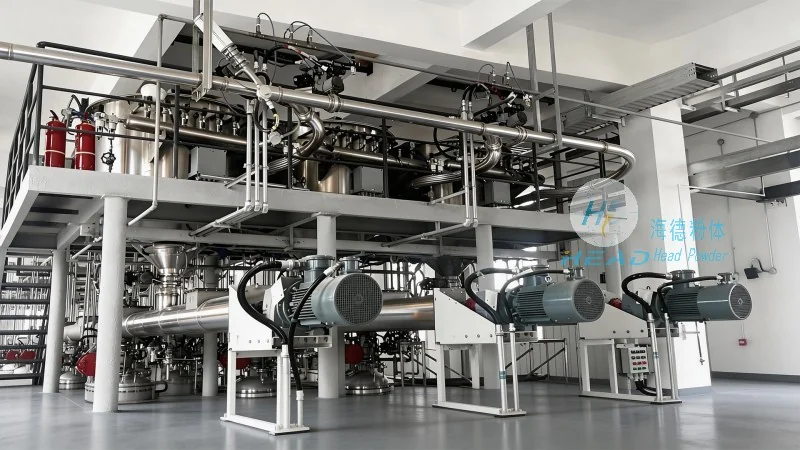
Overview of Rice Pneumatic Conveying Equipment
Rice pneumatic conveying equipment is a critical component in modern rice processing facilities, enabling efficient and hygienic transportation of rice grains from one processing stage to another. Unlike traditional mechanical conveyors, pneumatic systems utilize air pressure to move materials, offering advantages such as reduced contamination risk, lower maintenance requirements, and the ability to handle delicate rice kernels without damage. The equipment is widely used in rice mills for tasks like raw material intake, intermediate storage, and final product packaging, ensuring smooth workflow and operational efficiency.
Key Structural Components of the Equipment
The rice pneumatic conveying system consists of several interconnected components, each playing a vital role in the overall operation. The main components include the hopper (feeder), air compressor or blower, conveying pipes, control valves, and dust collection systems. The hopper is designed to store and feed rice into the system, with adjustable valves to regulate the flow rate. The air compressor generates the necessary air pressure to move the rice through the pipes, while the conveying pipes are typically made of stainless steel or other corrosion-resistant materials to ensure durability and hygiene. Control valves are used to direct the air flow and adjust the conveying speed, allowing precise control over the process. Additionally, dust collection systems are integrated to capture and filter airborne particles, maintaining a clean and safe working environment.
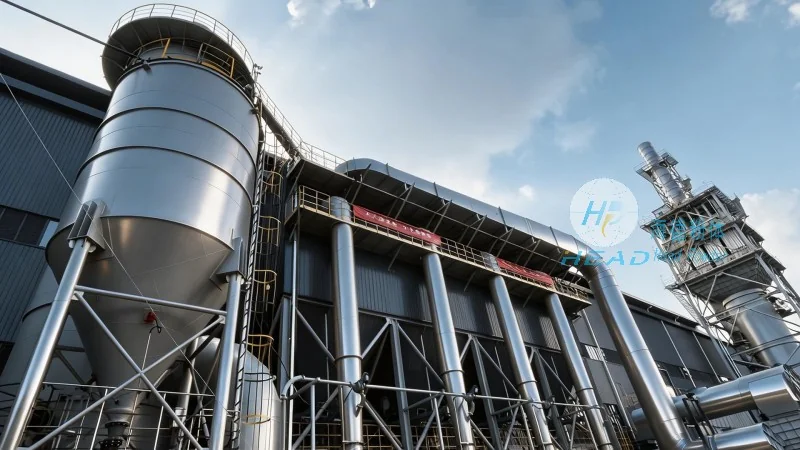
Working Principle of the Pneumatic Conveying System
The operation of the rice pneumatic conveying system is based on the principle of air flow and pressure differentials. When the air compressor starts, it generates high-pressure air that is introduced into the conveying pipes. Simultaneously, rice is fed from the hopper into the inlet of the pipe. The air flow creates a negative pressure zone in the pipe, which draws the rice particles into the stream. As the air and rice mixture travels through the pipes, it is directed to the desired destination, such as a storage silo or packaging unit. The system can operate in either positive or negative pressure modes, depending on the application requirements. Positive pressure systems push the material through the pipes, while negative pressure systems pull it, offering flexibility in different processing scenarios.
Advantages of Using Rice Pneumatic Conveying Equipment
Implementing rice pneumatic conveying equipment in rice processing facilities offers several significant advantages. Firstly, it minimizes the risk of contamination, as the enclosed system prevents exposure to external pollutants. Secondly, the equipment is highly efficient, with the ability to transport large volumes of rice quickly and with minimal labor. Thirdly, it reduces the need for manual handling, enhancing workplace safety and reducing the risk of injuries. Additionally, the system is versatile, capable of handling different types of rice, including raw and milled grains, without causing damage to the kernels. The hygienic design also facilitates easier cleaning and maintenance, ensuring compliance with food safety regulations.
Application Scenarios in Rice Processing
Rice pneumatic conveying equipment is widely applied in various stages of rice processing. In the raw material handling stage, it efficiently transports rice from storage silos to the milling plant. During the milling process, it moves milled rice from the mill to intermediate storage tanks or packaging lines. The system is also used in quality control stages, where it can transport samples for testing and analysis. Furthermore, it plays a crucial role in packaging operations, ensuring that the final product is delivered to packaging machines without any breakage or contamination. The adaptability of the equipment allows it to integrate seamlessly with existing processing lines, enhancing overall operational efficiency.
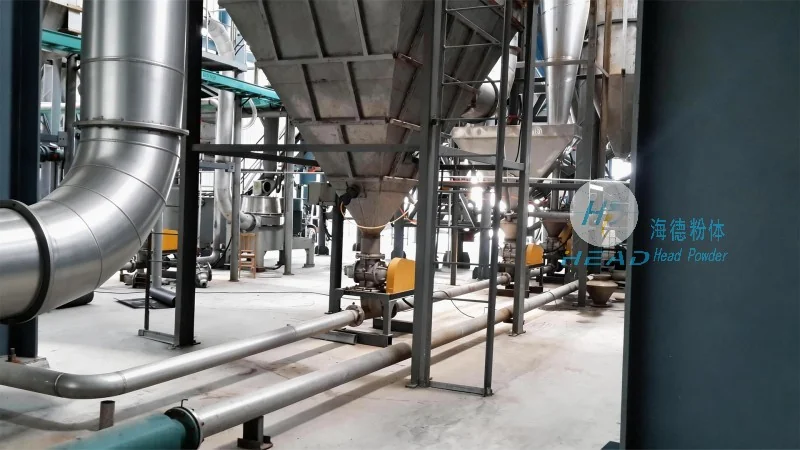
Maintenance and Operational Tips
To ensure the long-term performance and reliability of rice pneumatic conveying equipment, proper maintenance is essential. Regular checks of the air compressor and blower for wear and tear are necessary to prevent breakdowns. The conveying pipes should be inspected for any blockages or leaks, as these can affect the system's efficiency. The hopper and control valves should be cleaned regularly to avoid accumulation of rice residue, which can lead to clogging. Additionally, the dust collection system must be maintained to ensure effective filtration and prevent dust buildup in the facility. Operational tips include monitoring the air pressure and flow rates, as fluctuations can indicate issues with the system. By following these maintenance practices, users can maximize the lifespan of the equipment and minimize downtime.
Conclusion
Rice pneumatic conveying equipment, manufactured by Shandong HeadPowder Engineering Co., Ltd., represents a sophisticated solution for efficient rice transportation in processing facilities. With its robust structural design and reliable operational principles, the equipment offers significant advantages over traditional methods, including enhanced hygiene, reduced labor, and improved process efficiency. By understanding the key components and working principles, users can make informed decisions about integrating this technology into their rice processing operations, ultimately contributing to higher productivity and better product quality.




