Vanadium oxide, a critical material in various industrial applications, often requires efficient and reliable transportation methods. Pneumatic conveying systems have emerged as a preferred solution for handling vanadium oxide, offering advantages such as reduced dust exposure, improved safety, and enhanced process control. This article provides an overview of the pneumatic conveying of vanadium oxide, focusing on its structural design and operational principles.
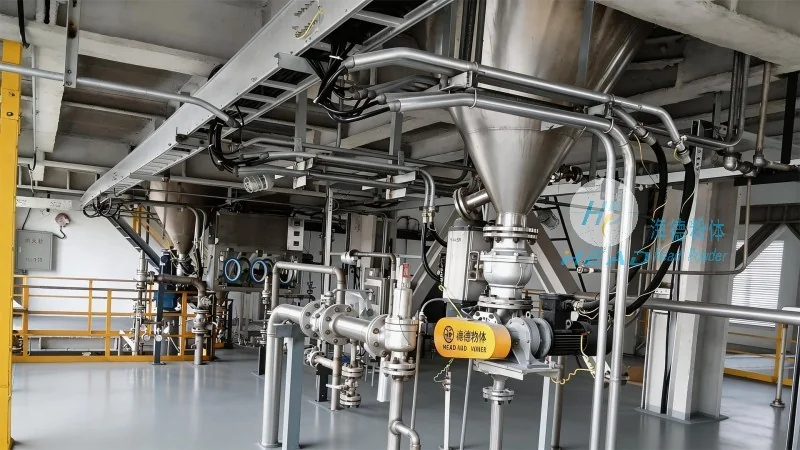
Key Components of Vanadium Oxide Pneumatic Conveying Systems
The pneumatic conveying system for vanadium oxide typically consists of several key components that work in tandem to ensure effective material transport. These components include the material hopper, which serves as the storage and feeding unit, and the air compressor or blower that generates the necessary airflow. The pipeline system, often made of corrosion-resistant materials like stainless steel or special alloys, is designed to withstand the chemical properties of vanadium oxide and maintain system integrity. Additionally, the system may incorporate a filter or cyclone separator to capture fine particles and prevent contamination, ensuring the material remains in a clean and usable state.
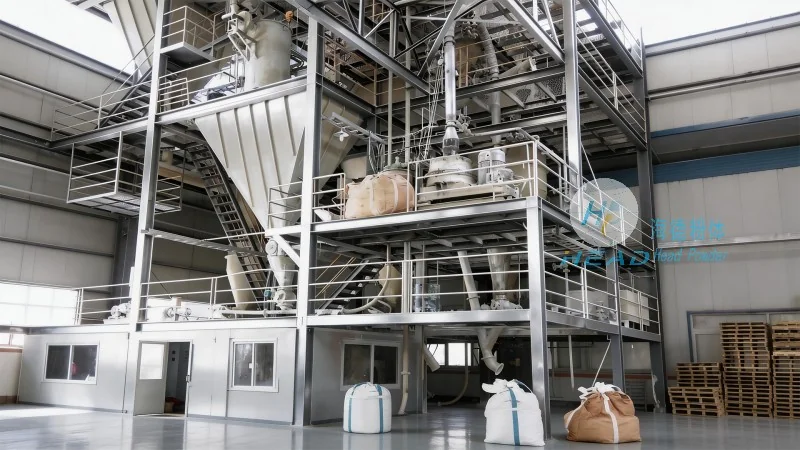
Structural Design Considerations for Pneumatic Conveying
The structural design of a vanadium oxide pneumatic conveying system is tailored to meet the specific demands of the material and the application. The material hopper is engineered to minimize particle segregation and ensure a consistent feed rate, which is crucial for maintaining system efficiency. The pipeline layout is optimized to minimize pressure losses and prevent blockages, with bends and elbows strategically placed to facilitate smooth material flow. The air compressor is selected based on the required airflow rate and pressure, ensuring it can handle the density and particle size of vanadium oxide without excessive energy consumption. The system also includes control mechanisms, such as flow meters and pressure sensors, to monitor and adjust the conveying process in real-time, enhancing operational stability.
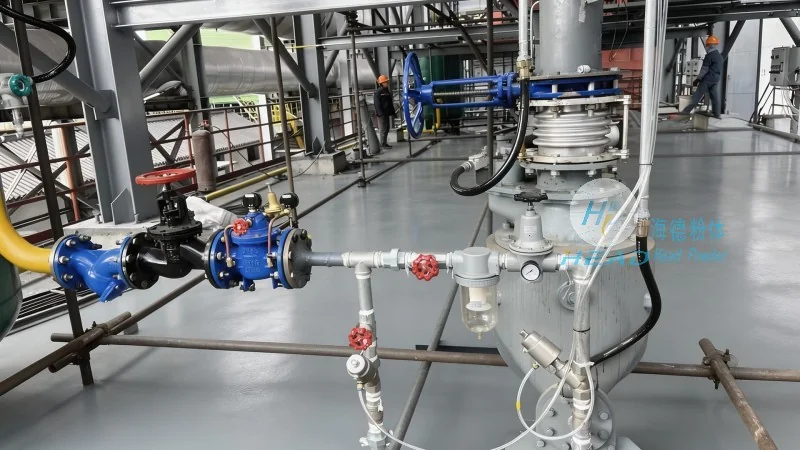
Operational Principles of Vanadium Oxide Pneumatic Conveying
The operational principle of pneumatic conveying involves the use of compressed air to transport vanadium oxide particles through a pipeline. The material is introduced into the system from the hopper, where it is mixed with the airflow. As the air flows through the pipeline, it carries the vanadium oxide particles, creating a suspension that moves to the destination point. The system operates under either positive or negative pressure, depending on the specific requirements. Positive pressure systems are commonly used for conveying materials over short distances or to a higher elevation, while negative pressure systems are suitable for applications requiring material to be drawn from a lower level or to minimize dust emissions.
Advantages of Using Pneumatic Conveying for Vanadium Oxide
Pneumatic conveying offers several advantages when handling vanadium oxide. Firstly, it eliminates the need for manual handling, reducing the risk of dust exposure and improving workplace safety. Secondly, the system provides a closed environment, preventing contamination from external sources and maintaining the purity of the material. Thirdly, it allows for precise control over the conveying rate and pressure, enabling better process integration and quality control. Additionally, pneumatic conveying systems are compact and can be easily integrated into existing industrial setups, making them a cost-effective solution for vanadium oxide transportation.
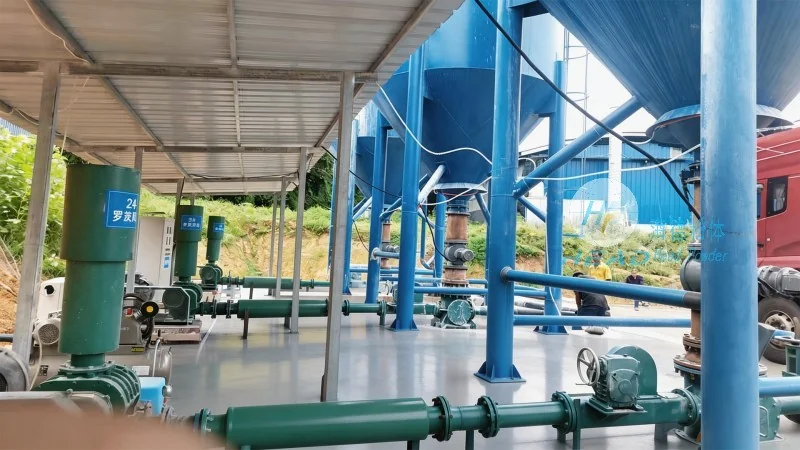
About Shandong HeadPowder Engineering Co., Ltd.
Shandong HeadPowder Engineering Co., Ltd., operating under the brand name headpowder, is a leading provider of specialized engineering solutions for material handling and processing. With a focus on innovation and quality, the company has developed advanced pneumatic conveying systems tailored to the unique needs of various industries, including those dealing with vanadium oxide. HeadPowder is committed to delivering reliable and efficient solutions that enhance operational performance and ensure compliance with industry standards. The company’s headquarters is located in Shandong, China, where it leverages local expertise and resources to support its global clientele.




