Biomass pellet material pneumatic conveying machines are essential equipment in modern material handling and processing industries, particularly for the efficient transport of biomass pellets. These systems are designed to handle bulk materials like wood pellets, agricultural residues, and other biomass-derived products with high efficiency and minimal environmental impact. The technology behind these machines leverages the principles of pneumatic transport, combining air flow with mechanical components to move materials from one location to another without the need for traditional mechanical conveyors. This approach not only enhances operational efficiency but also reduces labor costs and maintenance requirements, making it a preferred choice for industries focused on sustainability and resource optimization.
About HeadPowder: Leading Provider of Pneumatic Conveying Solutions
HeadPowder, a prominent player in the material handling equipment sector, specializes in the design, manufacturing, and supply of advanced pneumatic conveying systems. With a strong presence in Shandong, China, HeadPowder Engineering Co., Ltd. has established itself as a trusted partner for businesses seeking reliable and efficient material transport solutions. The company’s commitment to innovation and quality ensures that its products meet the highest industry standards, delivering consistent performance and durability. HeadPowder’s expertise in biomass pellet handling has positioned it as a key supplier for industries involved in biomass energy production, biofuel processing, and agricultural waste management. By leveraging years of experience and technical expertise, HeadPowder provides tailored solutions that address the unique challenges of each client’s operational needs.
System Components and Working Principle of Biomass Pellet Pneumatic Conveying Machines
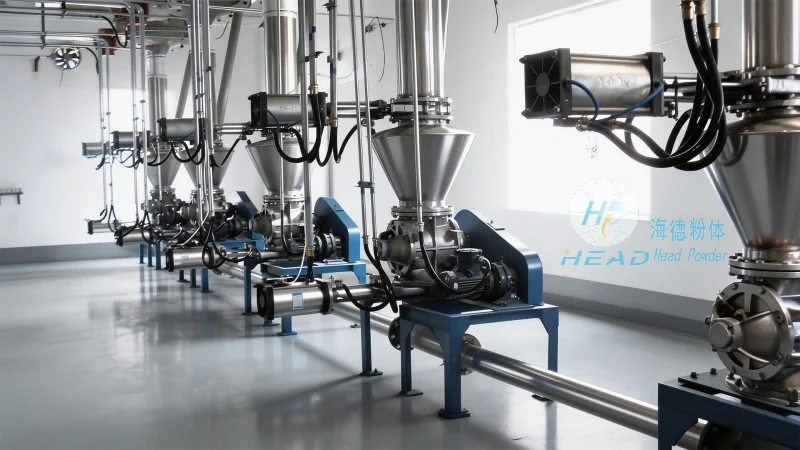
The operation of a biomass pellet material pneumatic conveying machine relies on a well-coordinated set of components, each playing a critical role in the material transport process. The primary components include the hopper, feeder, air compressor, conveying line, and receiver. The hopper serves as the storage and feeding unit, where biomass pellets are loaded and fed into the system. The feeder, typically a screw or rotary valve, controls the flow rate of the pellets into the conveying line, ensuring a consistent and controlled supply. The air compressor generates the necessary air pressure to create a flow of air through the system, which is then directed into the conveying line. The conveying line, often made of stainless steel or other corrosion-resistant materials, transports the pellets and air mixture to the receiver. The receiver collects the conveyed pellets and may include a dust collection system to maintain air quality and prevent material loss.
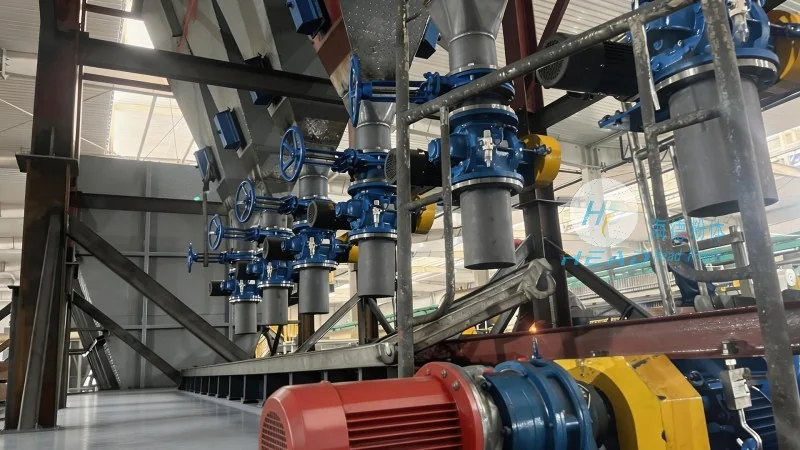
The working principle of the system is based on the principle of pneumatic transport, where the air flow creates a negative pressure or positive pressure environment that propels the biomass pellets through the conveying line. In a negative pressure system, the air is drawn from the conveying line, creating a vacuum that pulls the pellets into the line. In a positive pressure system, the air is forced through the line, pushing the pellets forward. The choice between these systems depends on factors such as the distance of transport, the material characteristics, and the desired air flow rate. For biomass pellets, a positive pressure system is often preferred due to its ability to handle longer distances and more abrasive materials without significant pressure loss.
Step-by-Step Operation Process of Biomass Pellet Pneumatic Conveying Machines
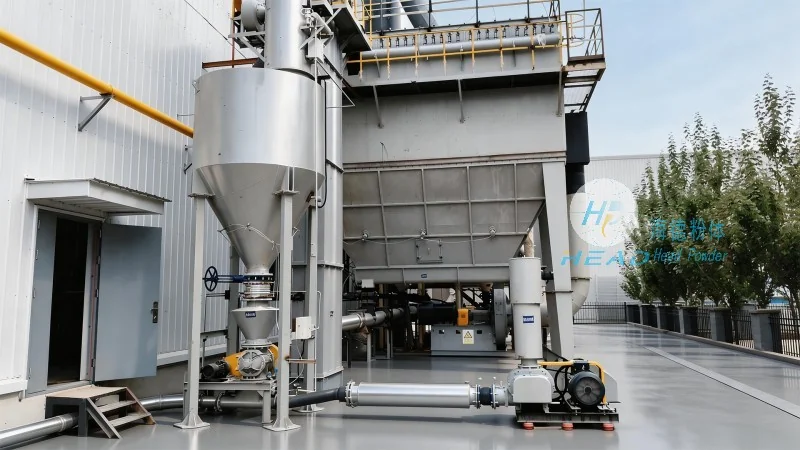
The operation of a biomass pellet material pneumatic conveying machine involves several key steps, each designed to ensure efficient and safe material transport. The process begins with the loading of biomass pellets into the hopper. The feeder then regulates the flow of pellets into the conveying line, controlled by the system’s control panel. The air compressor starts, generating the required air pressure to initiate the conveying process. As the air flows through the conveying line, it picks up the pellets from the feeder and transports them to the receiver. The receiver collects the pellets and may include a discharge mechanism to transfer them to the next processing stage. Throughout the operation, the system’s sensors monitor parameters such as air pressure, flow rate, and material level, providing real-time feedback to the control system. This allows for adjustments to be made as needed, ensuring optimal performance and preventing system failures. The entire process is automated, reducing the need for manual intervention and minimizing the risk of human error. The system’s design also incorporates safety features, such as pressure relief valves and emergency shut-off mechanisms, to protect operators and equipment from potential hazards.
Advantages of Using Biomass Pellet Material Pneumatic Conveying Machines
Implementing biomass pellet material pneumatic conveying machines offers numerous advantages for businesses involved in biomass processing and material handling. One of the primary benefits is the high efficiency in material transport, as these systems can move large quantities of biomass pellets over long distances with minimal energy consumption. The automated operation reduces labor costs and increases productivity, allowing businesses to focus on other critical aspects of their operations. Additionally, the systems are designed to minimize material degradation and loss, preserving the quality of the biomass pellets and reducing waste. The compact design of the equipment saves space in industrial facilities, making it suitable for both large-scale and small-scale applications. The environmental benefits are also significant, as pneumatic conveying reduces the need for traditional conveyor belts, which can contribute to noise pollution and material spillage. By using compressed air instead of mechanical components, the systems also lower the risk of dust explosions and improve air quality in the workplace. Overall, the adoption of biomass pellet material pneumatic conveying machines enhances operational efficiency, reduces costs, and supports sustainable practices in the biomass industry.




