Shandong HeadPowder Engineering Co., Ltd., commonly known as headpowder, is a professional manufacturer specializing in the design, development, and production of advanced material handling equipment. Based in Shandong, China, the company has established itself as a leading supplier in the cereal processing industry, offering reliable and efficient solutions for material conveying systems. The following content provides a detailed overview of the operation process and working principle of the cereal material conveying system equipment, highlighting the key components, functional mechanisms, and practical applications that contribute to its effectiveness in various industrial settings.
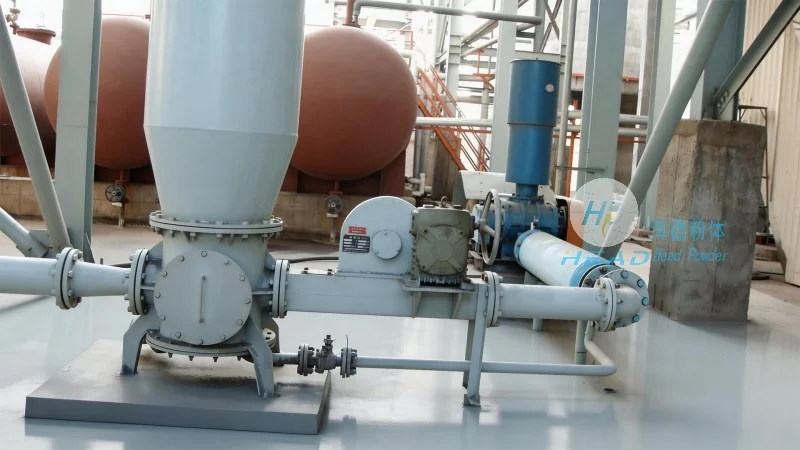
Key Components of the Cereal Material Conveying System
The cereal material conveying system typically consists of several essential components that work in tandem to ensure smooth and continuous material transport. These components include feed hoppers, conveyor belts or chains, drive mechanisms, control systems, and discharge mechanisms. Each component plays a crucial role in the overall functionality of the system, and their proper integration is vital for optimal performance. The feed hopper is responsible for receiving and storing the cereal materials, such as oats, wheat, or other grains, ensuring a consistent supply to the conveyor. The conveyor itself, which may be a belt conveyor, screw conveyor, or chain conveyor, is the primary means of transporting the materials from the hopper to the next processing stage. The drive mechanism, often powered by electric motors, provides the necessary force to move the conveyor components, while the control system regulates the speed and direction of the conveyor operation. Finally, the discharge mechanism allows the materials to be released at the desired location, completing the conveying process.
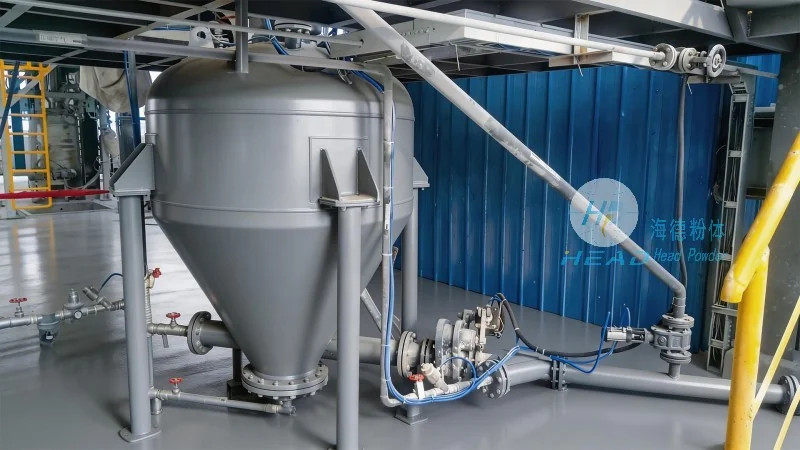
Operation Process of the Cereal Material Conveying System
The operation process of the cereal material conveying system follows a systematic sequence of steps to ensure efficient material handling. Initially, the cereal materials are loaded into the feed hopper, where they are stored until needed. The control system then activates the conveyor drive, which starts the movement of the conveyor belt or chain. As the conveyor operates, the materials are transported from the hopper to the discharge point. The speed of the conveyor can be adjusted based on the material type and processing requirements, allowing for precise control over the conveying rate. During the operation, the system continuously monitors the material flow and conveyor status, ensuring that any potential issues, such as blockages or uneven material distribution, are detected and addressed promptly. The discharge mechanism then releases the materials at the designated location, completing the conveying cycle. This process is repeated continuously, enabling the system to handle large volumes of cereal materials with minimal downtime and maximum efficiency.
Working Principle of the Cereal Material Conveying System
The working principle of the cereal material conveying system is based on mechanical energy conversion and material movement. The system utilizes the force generated by the drive mechanism to move the conveyor components, which in turn transports the cereal materials. The feed hopper provides a controlled supply of materials, ensuring that the conveyor operates at a consistent rate. The conveyor belt or chain, supported by rollers or guides, moves the materials along the designated path. The control system regulates the speed and direction of the conveyor, allowing for precise control over the material flow. The discharge mechanism, often equipped with adjustable gates or valves, releases the materials at the desired location. The entire system operates in a closed loop, where the output of one stage serves as the input for the next, ensuring a seamless and continuous material handling process. This principle allows the system to handle various types of cereal materials, including different grain sizes and moisture contents, with minimal adjustments to the operational parameters.
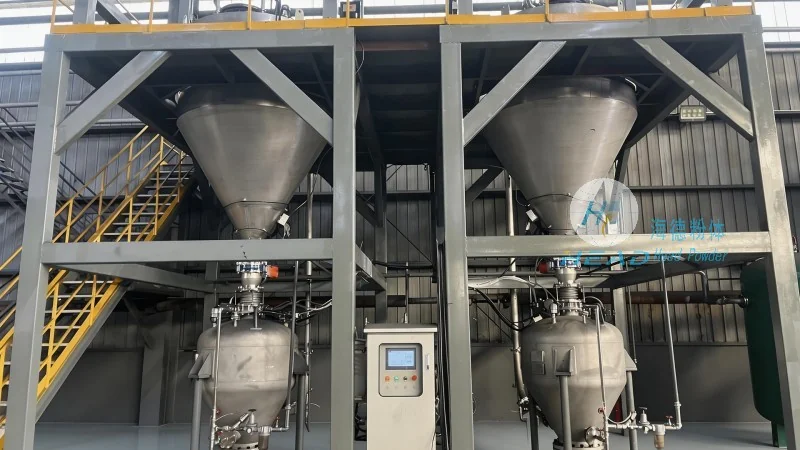
Applications and Benefits of the Cereal Material Conveying System
The cereal material conveying system is widely used in various industrial applications, including cereal processing plants, grain storage facilities, and food manufacturing facilities. Its primary benefits include improved material handling efficiency, reduced labor costs, and enhanced safety in the workplace. The system is designed to handle large volumes of cereal materials, minimizing the need for manual handling and reducing the risk of accidents. Additionally, the system's modular design allows for easy integration with other processing equipment, such as cleaning, sorting, or packaging machines. The use of advanced materials and manufacturing techniques ensures that the system is durable, reliable, and low-maintenance, providing long-term operational benefits. The system's ability to handle different grain types and sizes makes it versatile and suitable for various industrial applications, contributing to its widespread adoption in the cereal processing industry.




