Shandong HeadPowder Engineering Co., Ltd. specializes in the design, manufacturing, and installation of advanced silicate material conveying systems. These systems are engineered to efficiently handle various silicate materials, including but not limited to clay, feldspar, and quartz, which are essential components in the production of ceramics, glass, and other industrial applications. The company's expertise lies in creating customized solutions that meet the specific requirements of clients, ensuring optimal performance and reliability in material handling processes.
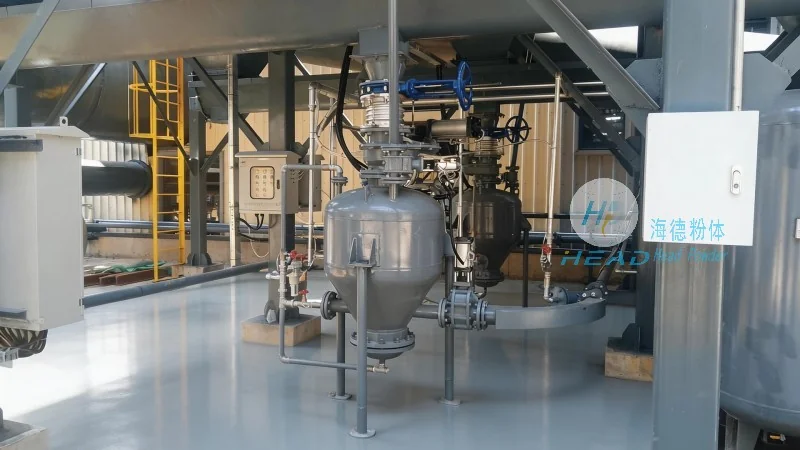
Overview of Silicate Material Conveying Lines
Silicate material conveying lines are complex industrial systems designed to transport bulk silicate materials from storage or processing areas to production facilities. These systems typically consist of several key components, including hoppers, feeders, conveyors, and control systems. The integration of these components ensures a seamless flow of materials, minimizing downtime and maximizing productivity. The design of these lines is tailored to the physical properties of the silicate materials, such as particle size, moisture content, and bulk density, to ensure efficient and safe operation.
Key Components and Their Functions
1. Hoppers: Hoppers are used to store and feed silicate materials into the conveying system. They are designed with sloped sides to facilitate material flow and prevent clogging. The size and shape of the hoppers are determined based on the volume of material to be handled and the flow rate required. 2. Feeders: Feeders are responsible for regulating the flow of material from the hoppers to the conveyors. Common types include rotary feeders, vibratory feeders, and belt feeders. These devices ensure a consistent and controlled feed rate, which is crucial for maintaining the stability of the conveying process. 3. Conveyors: Conveyors are the core of the silicate material conveying line, responsible for transporting materials over long distances. There are various types of conveyors, including belt conveyors, screw conveyors, and pneumatic conveyors. The choice of conveyor type depends on the material characteristics and the distance to be covered. 4. Control Systems: Control systems monitor and regulate the operation of the entire conveying line. They include sensors, controllers, and indicators that track parameters such as flow rate, pressure, and temperature. These systems ensure that the conveying process operates within safe and efficient parameters, alerting operators to any deviations or issues.
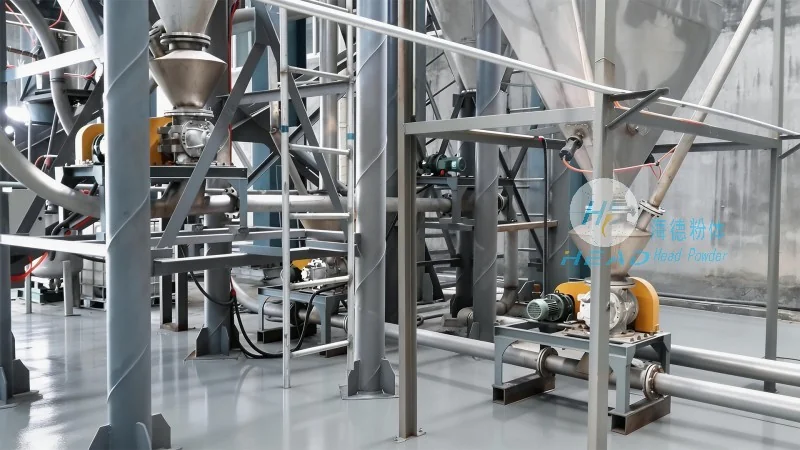
Operation Process of Silicate Material Conveying Lines
The operation of a silicate material conveying line involves several sequential steps, each critical to the overall efficiency of the system. The process typically begins with the loading of silicate materials into the hoppers. Once the hoppers are filled, the feeders start regulating the flow of material into the conveyors. The conveyors then transport the material to the next stage of processing or storage. The control systems continuously monitor the entire process, adjusting the feed rate and conveyor speed as needed to maintain a stable flow. This closed-loop control ensures that the system operates optimally, minimizing waste and maximizing throughput.
Working Principle of Silicate Material Conveying Lines
The working principle of silicate material conveying lines is based on the principles of material handling and mechanical engineering. The system relies on the force of gravity and mechanical energy to move materials from one location to another. In gravity-based systems, the hoppers are elevated to allow materials to flow down into the conveyors. In mechanical systems, such as belt or screw conveyors, the material is moved by the rotation of the conveyor components. Pneumatic conveyors use air pressure to transport materials in a closed system. The control systems play a vital role in coordinating these mechanical and pneumatic forces, ensuring that the material is conveyed smoothly and without interruption. The integration of these principles allows for the efficient and reliable handling of silicate materials, which are often abrasive and require specialized equipment to prevent wear and tear.
Customization and Application in Industrial Settings
Shandong HeadPowder Engineering Co., Ltd. offers customized silicate material conveying lines to suit the specific needs of various industrial applications. These systems are commonly used in the ceramics industry for transporting clay and feldspar to kilns and processing plants. In the glass industry, they are used to convey quartz and sand to furnaces. The company's expertise in material handling allows them to design systems that can handle a wide range of silicate materials, from fine powders to coarse aggregates. The customization of these systems ensures that they meet the unique requirements of each client, including space constraints, material properties, and production capacity. By providing tailored solutions, the company helps clients improve their operational efficiency and reduce costs associated with material handling.
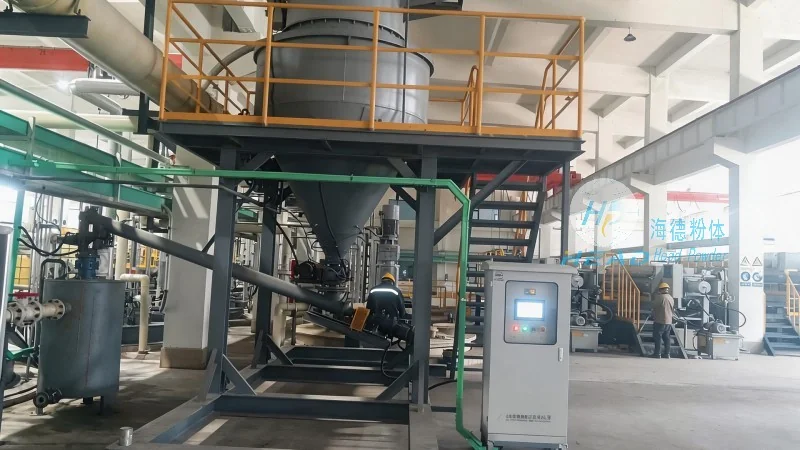
Maintenance and Reliability of Silicate Material Conveying Lines
Maintenance is a critical aspect of ensuring the long-term reliability of silicate material conveying lines. Regular maintenance, including cleaning, lubrication, and inspection of components, is essential to prevent equipment failure and downtime. The company provides comprehensive maintenance services to its clients, including scheduled inspections, repairs, and replacement of worn parts. The use of high-quality materials and components in the construction of these systems enhances their durability and reduces the need for frequent maintenance. Additionally, the control systems help in early detection of potential issues, allowing for timely intervention and minimizing the impact on production. By prioritizing maintenance and reliability, Shandong HeadPowder Engineering Co., Ltd. ensures that its clients can rely on their conveying systems for consistent and efficient operation.
Conclusion
Silicate material conveying lines are essential components in the industrial processing of materials, particularly in the ceramics and glass industries. The operation and working principles of these systems are complex but well-defined, involving the integration of various mechanical and control components. Shandong HeadPowder Engineering Co., Ltd. specializes in the design and implementation of these systems, providing customized solutions that enhance operational efficiency and reliability. By understanding the key components, operation process, and working principles of silicate material conveying lines, industrial clients can make informed decisions about their material handling needs and improve their overall production capabilities.




