For industrial applications involving the transport and handling of manganese sulfate, specialized material handling systems are essential to ensure efficiency, safety, and consistent performance. This document outlines the operation process and working principles of a typical manganese sulfate material handling system, highlighting key components and operational procedures.
Key Components of the Material Handling System
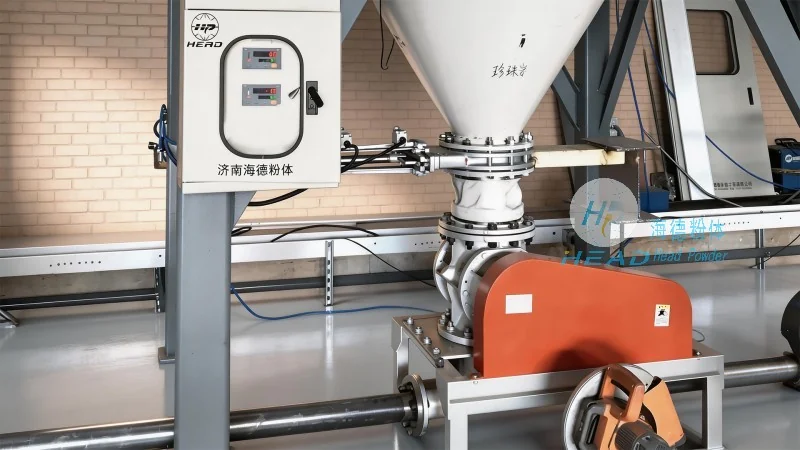
The manganese sulfate material handling system typically consists of several critical components that work in tandem to facilitate the movement and storage of the material. These components include bulk material feeders, conveyor systems, storage silos, and control panels. Each component plays a vital role in the overall functionality of the system.
For instance, bulk material feeders are responsible for uniformly feeding manganese sulfate from storage silos or raw material bins into the conveyor system. This ensures a steady flow of material without blockages or uneven distribution. The conveyor systems, which may include belt conveyors, screw conveyors, or pneumatic conveyors, transport the material to the processing or packaging areas. Storage silos are used to store large quantities of manganese sulfate, providing a buffer for production needs and ensuring a continuous supply.
Operation Process of the Material Handling System
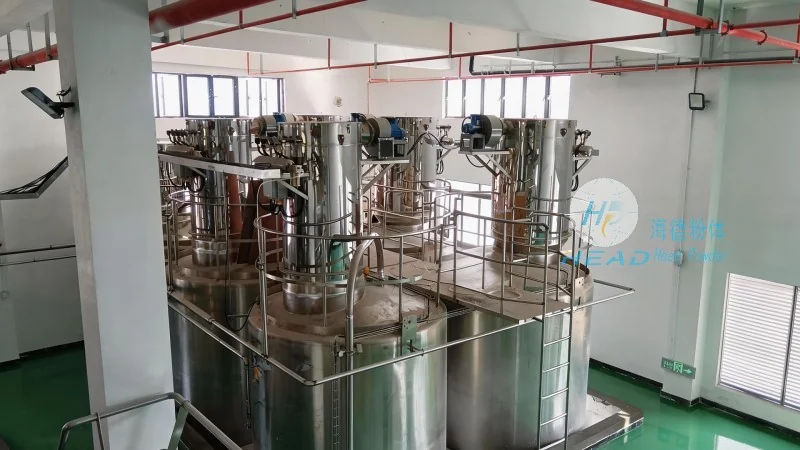
The operation process of the manganese sulfate material handling system begins with the loading of raw manganese sulfate into the storage silos. The system then automatically initiates the feeding process, where the feeder gradually releases the material into the conveyor. The conveyor transports the material to the processing unit or packaging station, where it is further handled according to the production requirements.
During operation, the control panel monitors various parameters such as material flow rate, conveyor speed, and silo levels. This allows operators to adjust the system settings in real-time to maintain optimal performance. The system is designed to handle the specific characteristics of manganese sulfate, such as its granular or powdered form, ensuring that the material is handled without degradation or contamination.
Working Principle of the Material Handling System
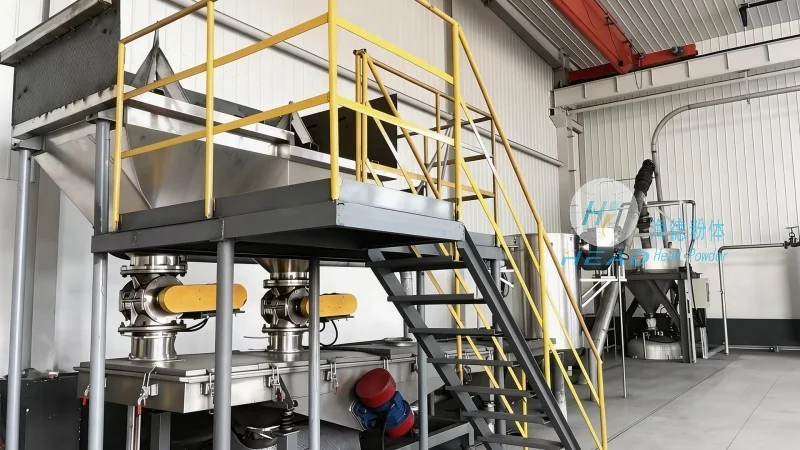
The working principle of the manganese sulfate material handling system is based on mechanical and pneumatic principles to achieve efficient material transport. The bulk material feeder uses a rotating mechanism or a screw to discharge the material into the conveyor. The conveyor system then uses friction or air pressure to move the material along its path. Storage silos utilize a hopper design to allow for gravity-fed material flow, reducing the need for additional power and ensuring a smooth transfer.
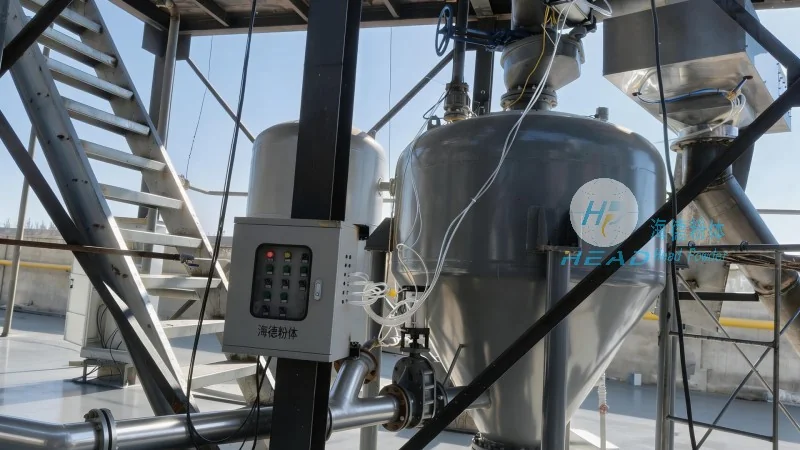
Control systems, often integrated with sensors and variable frequency drives (VFDs), regulate the speed and flow of the material. This allows for precise control over the handling process, minimizing waste and maximizing productivity. The system is also equipped with safety features such as emergency stop buttons and overload protection to prevent accidents and equipment damage.
Company Information: Shandong HeadPowder Engineering Co., Ltd.
As a leading manufacturer in the field of material handling solutions, Shandong HeadPowder Engineering Co., Ltd. specializes in designing and supplying customized systems for various industrial applications. With years of experience and a commitment to quality, the company provides reliable and efficient material handling systems tailored to the specific needs of clients.
HeadPowder's expertise in manganese sulfate material handling systems ensures that their products meet the highest standards of performance and safety. The company's team of engineers and technicians work closely with clients to understand their operational requirements and develop solutions that enhance productivity and reduce operational costs.




