HeadPowder, a leading engineering company based in Shandong, China, specializes in the design and implementation of advanced pneumatic conveying systems tailored for iron powder and similar fine particulate materials. This article explores the fundamental principles behind these systems and highlights the key characteristics of their operational environments.
Understanding the Core Principles of Iron Powder Pneumatic Conveying Lines
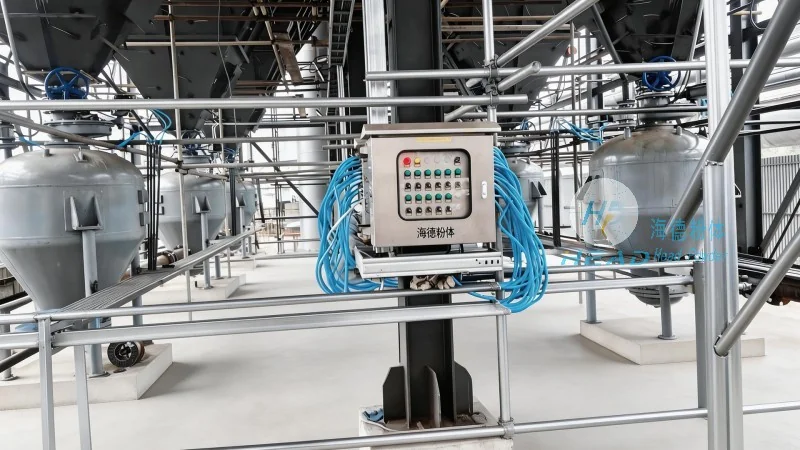
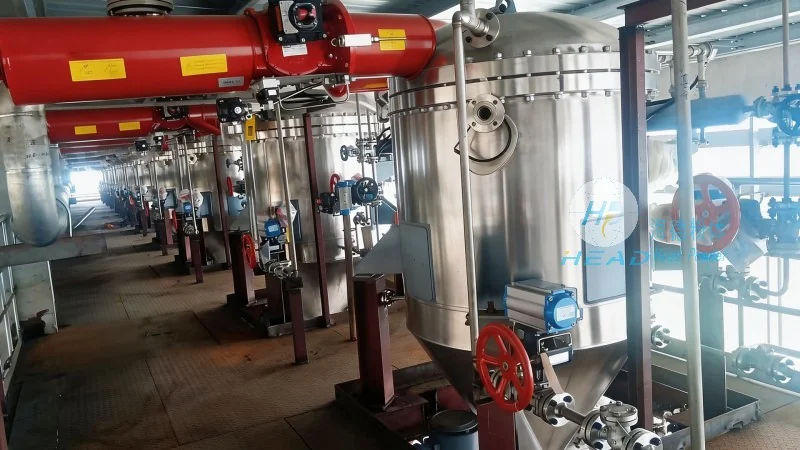
The pneumatic conveying of iron powder relies on the fundamental principle of transporting solid particles through a pipeline using a moving gas stream. This method, commonly known as pneumatic conveying, is distinct from mechanical conveying systems like screw conveyors or belt conveyors, as it eliminates the need for physical contact between the material and the conveying equipment. The process typically involves a high-pressure or vacuum air system that propels the iron powder through the pipeline, ensuring efficient and continuous material transport. Key components of such a system include a material feeder, a conveying line, a separation unit, and a dust collection system. The material feeder, often a rotary valve or a screw feeder, introduces the iron powder into the system at a controlled rate, preventing blockages and maintaining consistent flow. The conveying line, constructed from materials resistant to corrosion and abrasion (such as stainless steel or special alloys), ensures the safe and efficient transport of the iron powder. The separation unit, typically a cyclone or a bag filter, separates the iron powder from the air stream, allowing for the collection of the material while releasing clean air back into the environment. The dust collection system further enhances the efficiency of the process by capturing any fine particles that may escape, ensuring compliance with environmental regulations and maintaining a clean operational environment.
Key Working Scene Characteristics of Iron Powder Pneumatic Conveying Systems
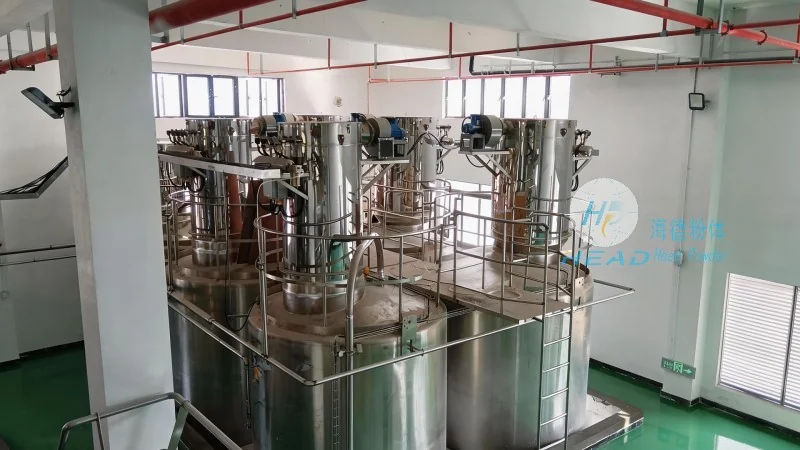
The operational environments for iron powder pneumatic conveying systems are characterized by several critical factors that influence their design and performance. Firstly, the material properties of iron powder, such as its density, particle size distribution, and moisture content, play a significant role in determining the optimal conveying method. Iron powder is often a fine, abrasive material, which requires the use of robust and durable equipment to prevent wear and tear. The particle size distribution, typically ranging from a few microns to a few millimeters, affects the air velocity required for effective transport, as finer particles require higher air speeds to maintain suspension. Moisture content is another critical factor, as excessive moisture can lead to clumping or caking, which can cause blockages in the system. Therefore, the system design must account for moisture control, often through pre-drying or the use of moisture-resistant materials. Secondly, the scale of the operation is a key consideration. Pneumatic conveying systems can be designed for both small-scale applications, such as laboratory or pilot plants, and large-scale industrial operations, such as in steel manufacturing or chemical processing. The scale of the operation influences the capacity of the system, the number of conveying lines required, and the power consumption. For large-scale operations, multi-line systems or high-capacity conveying units are often employed to meet the high material throughput demands. Thirdly, the environmental conditions of the working scene also impact the system design. Industrial environments often involve high temperatures, dust, and noise, which require the system to be equipped with appropriate safety and environmental controls. The use of stainless steel or other corrosion-resistant materials helps to mitigate the effects of high temperatures and corrosive substances. Additionally, the system must be designed to minimize noise pollution, often through the use of soundproof enclosures or the selection of low-noise components. Fourthly, the integration with other processes is a critical aspect of the working scene. Iron powder pneumatic conveying systems are often integrated with other industrial processes, such as mixing, drying, or packaging. The system must be designed to interface seamlessly with these processes, ensuring a smooth and continuous flow of material. For example, in a steel manufacturing plant, the iron powder may be conveyed from a storage silo to a mixing unit, where it is combined with other raw materials before being sent to a furnace. The integration with other processes requires careful consideration of the material flow rates, the timing of material transfer, and the compatibility of the equipment used. Finally, the safety and maintenance considerations are paramount in the working scene. Pneumatic conveying systems involve the use of high-pressure air or vacuum, which can pose safety risks if not properly managed. The system must be equipped with safety valves, pressure relief devices, and emergency shut-off mechanisms to prevent accidents. Regular maintenance is also crucial to ensure the longevity and efficiency of the system. This includes routine inspections of the conveying line, the material feeder, and the separation unit, as well as the replacement of worn-out parts. The maintenance schedule should be tailored to the specific operating conditions and the material properties, ensuring that the system operates at optimal performance levels.
Advantages of Using Iron Powder Pneumatic Conveying Systems
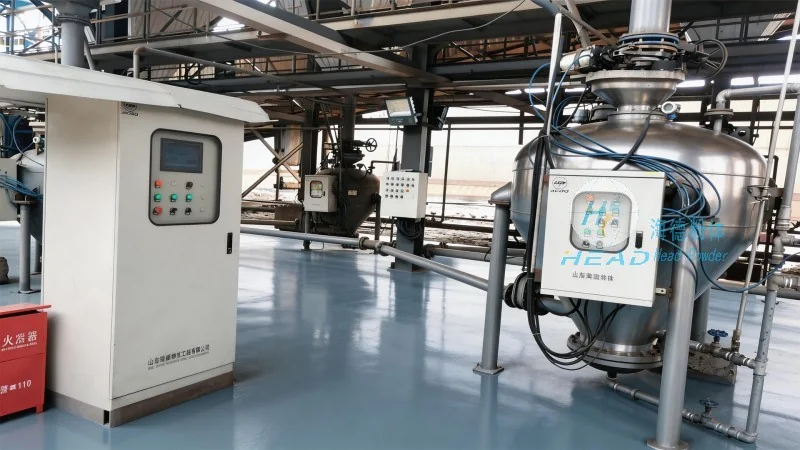
Iron powder pneumatic conveying systems offer several advantages over traditional mechanical conveying methods. Firstly, they provide a clean and dust-free environment, which is essential for maintaining product quality and ensuring compliance with environmental regulations. Unlike mechanical conveyors, which can generate significant dust and noise, pneumatic systems use enclosed pipelines, reducing the risk of contamination and improving worker safety. Secondly, pneumatic conveying systems are highly efficient in terms of material transport. They can transport iron powder over long distances with minimal loss, and the system can be easily scaled to meet the changing demands of the operation. The use of high-pressure air or vacuum allows for the transport of large quantities of material in a short amount of time, improving overall productivity. Thirdly, the system is flexible and can be adapted to various operational requirements. The conveying line can be easily reconfigured or expanded to accommodate changes in material flow rates or operational needs. The system can also be integrated with other processes, such as mixing or drying, to create a comprehensive material handling solution. Fourthly, the system is low-maintenance and has a long service life. The use of robust materials and the absence of moving parts in the conveying line reduce the risk of wear and tear, leading to lower maintenance costs and longer operational life. Additionally, the system is energy-efficient, as the power consumption is directly proportional to the material flow rate, allowing for cost savings in energy usage. Finally, the system is safe and reliable. The use of enclosed pipelines and safety controls reduces the risk of accidents, and the system can be easily monitored and controlled, ensuring that it operates within safe parameters. Overall, iron powder pneumatic conveying systems offer a reliable, efficient, and cost-effective solution for the transport of iron powder and similar fine particulate materials.




