Efficient and reliable material handling is a critical concern in the mining and processing industries, particularly when dealing with tailings materials. The pneumatic conveying system for tailings has emerged as a key technology to address the challenges associated with transporting these bulk materials. This article delves into the fundamental principles of such systems and highlights the distinct characteristics of their operational scenarios, providing insights into how these systems are applied in real-world industrial settings.
Understanding the Core Principles of Tailings Material Pneumatic Conveying Systems
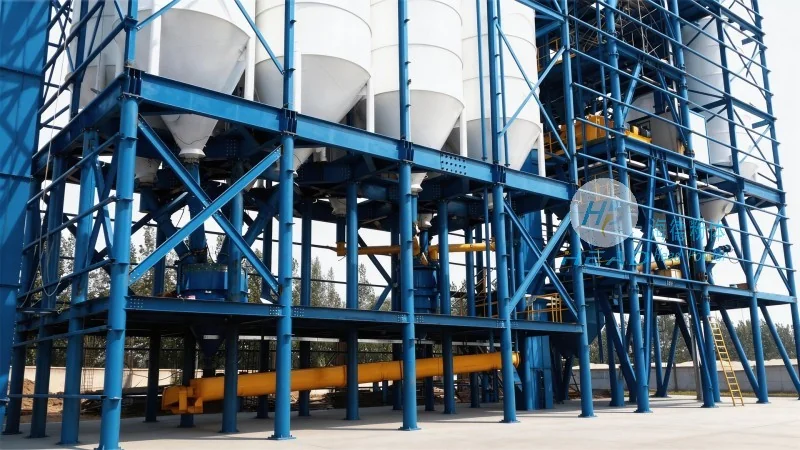
At the heart of a tailings material pneumatic conveying system lies the mechanism of transporting bulk solids through a pressurized or vacuum environment. The system typically consists of a feeding device, a conveying pipeline, a gas-solid separation unit, and a dust collection system. The feeding device, often a rotary valve or a screw feeder, introduces the tailings material into the pipeline. Compressed air or a vacuum is then used to create a flow that propels the material through the pipeline. The gas-solid separation unit, such as a cyclone or a bag filter, separates the material from the air, allowing the material to be discharged at the destination while the air is recirculated or discharged. This closed-loop system minimizes dust emissions and ensures environmental compliance.
Key Working Scene Characteristics of Pneumatic Conveying Systems for Tailings
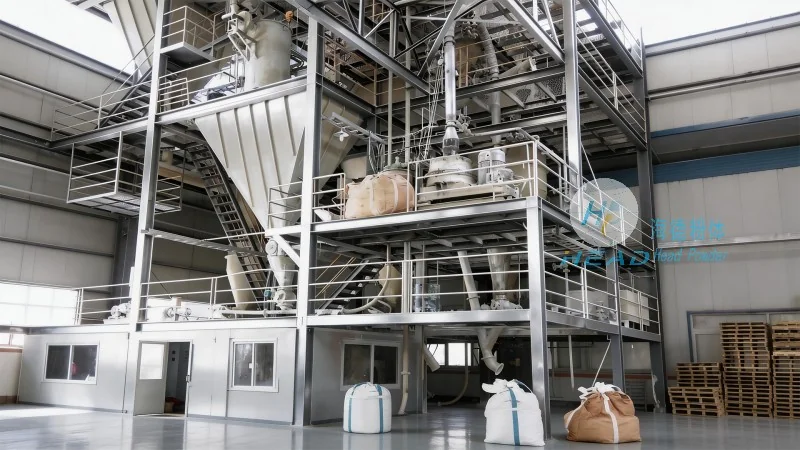
The operational characteristics of tailings material pneumatic conveying systems are shaped by several factors, including the nature of the tailings, the distance and elevation changes of the conveying route, and the required throughput. One of the primary advantages is the ability to handle a wide range of particle sizes and moisture contents, which is essential for tailings with varying properties. The system's flexibility in terms of layout and integration with other processing equipment makes it suitable for both new installations and retrofitting existing facilities. Additionally, the enclosed nature of the system reduces the risk of dust exposure for operators and minimizes environmental impact, aligning with modern industrial safety and sustainability standards.
Application Scenarios and Operational Benefits
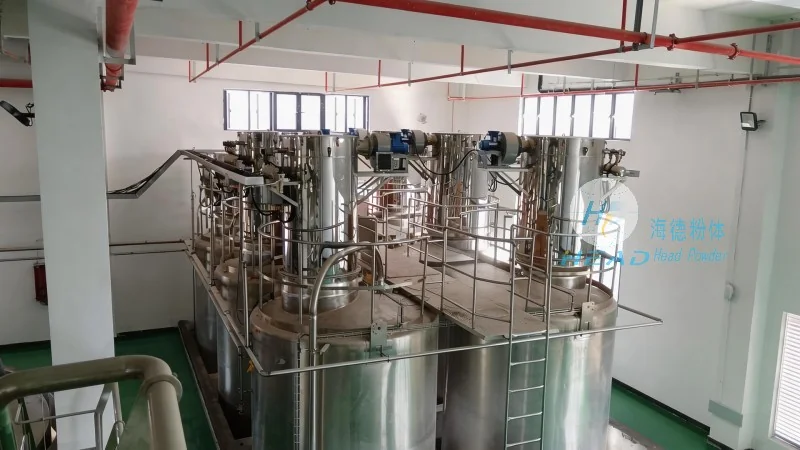
Real-world applications of tailings material pneumatic conveying systems span various mining and processing operations. In open-pit mining, these systems are used to transport tailings from the processing plant to disposal sites, often over long distances and varying elevations. In beneficiation plants, they facilitate the transfer of tailings between different processing stages, such as from flotation to thickening or filtration. The systems are also employed in the construction of tailings dams, where the controlled deposition of tailings is crucial for structural stability. The operational benefits include reduced labor costs due to automated material handling, improved safety by eliminating manual handling of bulk materials, and enhanced environmental performance through dust control and emission reduction.
About Shandong HeadPowder Engineering Co., Ltd.
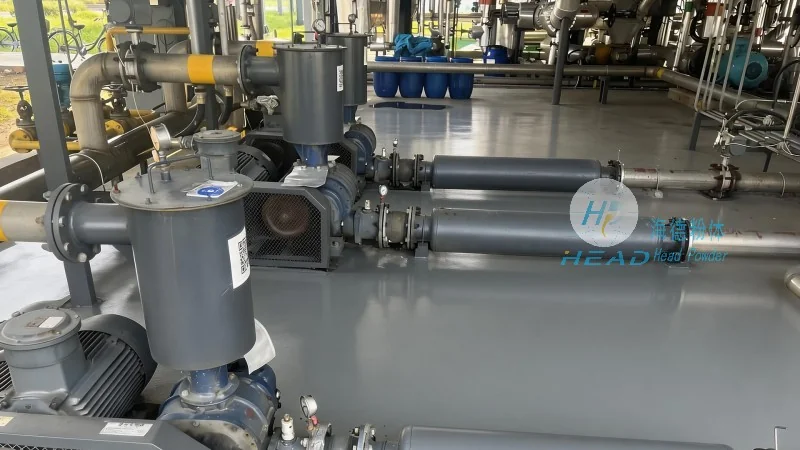
Shandong HeadPowder Engineering Co., Ltd., commonly known as headpowder, is a leading provider of engineering solutions for material handling and processing in the mining industry. With a strong focus on innovation and customer-centric design, the company specializes in the development and implementation of advanced pneumatic conveying systems tailored to the unique needs of tailings management. Headpowder's expertise lies in integrating state-of-the-art technology with practical application, ensuring that their systems are not only efficient but also reliable and sustainable. The company's operations are based in Shandong, China, where it leverages local resources and industry knowledge to deliver high-quality solutions to clients worldwide.




