High-pressure dilute-phase material pneumatic conveying is a sophisticated method used to transport bulk materials through a pipeline using compressed air or other gas as the conveying medium. This technology is widely adopted across various industries due to its efficiency, flexibility, and ability to handle a wide range of materials, from fine powders to granular solids. The core principle revolves around creating a high-pressure environment that propels the material particles in a dispersed state, ensuring minimal particle interaction and reduced risk of blockages or material degradation.
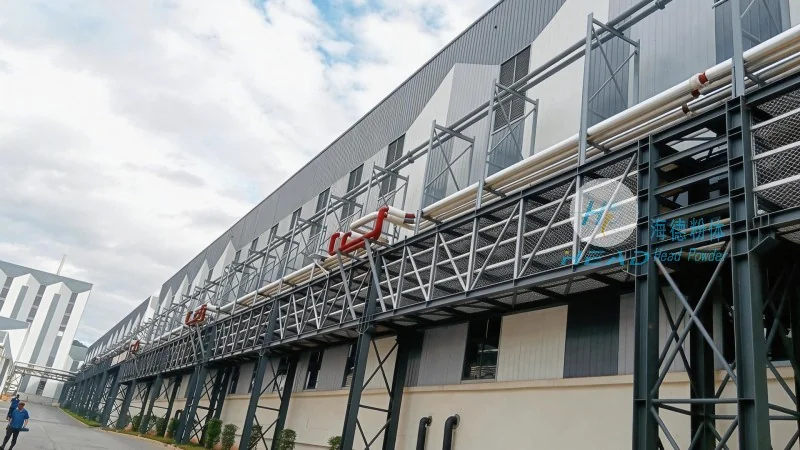
The Fundamental Principles of High-Pressure Dilute-Phase Conveying
At its essence, high-pressure dilute-phase conveying operates on the principles of fluid dynamics and particle mechanics. The system typically consists of a high-pressure blower or compressor that generates the necessary air pressure, a hopper or feeder to introduce the material, a pipeline network to transport the material, and a receiver or discharge point to collect the material. The key is maintaining a dilute phase, where the material particles are suspended in the gas stream with sufficient spacing between them. This is achieved by controlling the air velocity and material feed rate to ensure that the particles remain in a suspended state throughout the conveying process. The pressure levels in high-pressure systems are generally higher than those in low-pressure systems, often ranging from 0.5 to 2.5 MPa, which allows for longer conveying distances and higher material throughput.
Key Components and Their Roles in High-Pressure Dilute-Phase Systems
Several critical components work in tandem to ensure the efficient operation of high-pressure dilute-phase conveying systems. The high-pressure blower or compressor is the heart of the system, responsible for generating the required air pressure. It must be capable of handling the specific air volume and pressure needed for the material being conveyed. The feeder or hopper is designed to feed the material into the pipeline at a controlled rate, preventing overloading and ensuring consistent material flow. The pipeline itself is usually made of materials like stainless steel or plastic, chosen for their durability and resistance to corrosion from the conveyed materials. The pipeline diameter and length are carefully selected based on the material characteristics, conveying distance, and desired throughput. Additionally, the system may include pressure regulators, valves, and filters to maintain stable pressure and ensure the purity of the conveying medium.
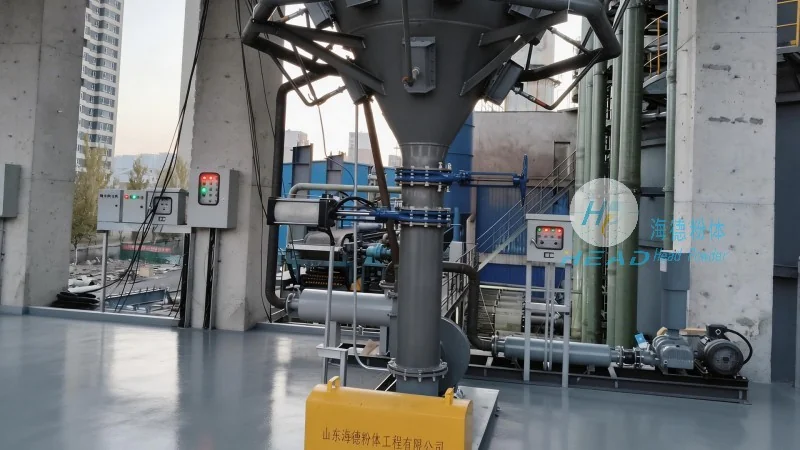
Working Scene Characteristics and Application Scenarios
High-pressure dilute-phase material pneumatic conveying is particularly suited for applications where traditional bulk handling methods, such as belt conveyors or screw conveyors, are impractical or inefficient. The technology excels in scenarios requiring long-distance transport, material transfer between different levels or locations, and the handling of materials that are prone to caking, agglomeration, or degradation when in contact with other materials or surfaces. Industries that benefit most from this technology include chemical processing, pharmaceuticals, food processing, and mining. For example, in the chemical industry, high-pressure dilute-phase conveying is used to transport fine powders like pigments, catalysts, and reagents between processing units, ensuring minimal material loss and contamination. In the pharmaceutical sector, the system is employed to transfer active pharmaceutical ingredients (APIs) and excipients with strict purity requirements, as the dilute phase minimizes particle-to-particle contact and reduces the risk of cross-contamination. Similarly, in food processing, the technology is used to convey ingredients like flour, sugar, and spices, maintaining product quality and preventing spoilage due to moisture or temperature changes.
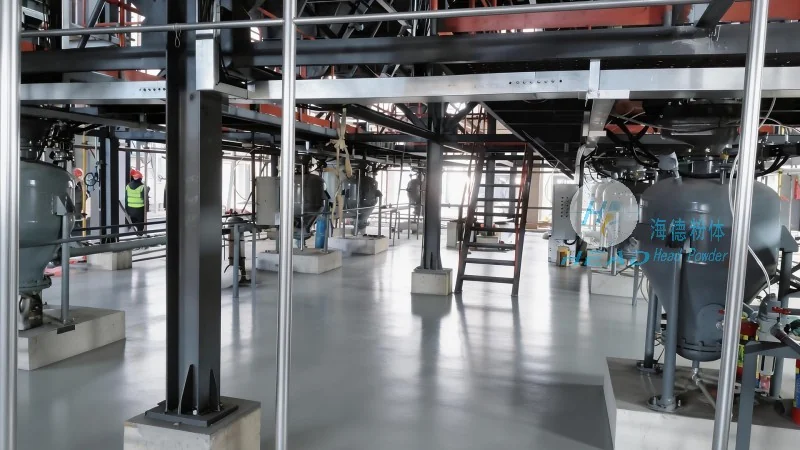
Advantages and Considerations in High-Pressure Dilute-Phase Conveying
Compared to other material handling methods, high-pressure dilute-phase conveying offers several advantages. One of the most significant benefits is its ability to handle materials that are difficult to transport using conventional equipment, such as fine powders that tend to form clumps or granular materials that are abrasive. The system also provides a more hygienic and clean operation, as the material is kept in a suspended state, reducing the risk of material buildup on surfaces and minimizing the need for manual cleaning. Additionally, high-pressure systems can achieve longer conveying distances and higher material throughput, making them suitable for large-scale industrial applications. However, there are also considerations to keep in mind. The high-pressure operation requires robust and well-maintained equipment to prevent leaks and ensure safety. The energy consumption is higher compared to low-pressure systems, as more energy is needed to generate the higher pressure. Furthermore, the system may not be suitable for all materials, particularly those that are highly abrasive or have a high moisture content, as they can cause wear and tear on the pipeline and components.
About HeadPowder: A Leading Provider of Pneumatic Conveying Solutions
HeadPowder, or Shandong HeadPowder Engineering Co., Ltd., is a reputable company based in Shandong, China, specializing in the design, manufacturing, and installation of high-pressure dilute-phase material pneumatic conveying systems. With years of experience in the industry, HeadPowder has developed a comprehensive range of solutions tailored to meet the diverse needs of various industries. The company’s expertise lies in understanding the unique challenges of each application and providing customized solutions that optimize material handling efficiency, reduce operational costs, and ensure product quality. HeadPowder’s systems are engineered to meet international standards for safety and performance, ensuring reliable and long-lasting operation. The company’s commitment to innovation and customer satisfaction has made it a trusted partner for many businesses seeking to improve their material handling processes. Whether it's a new installation or an upgrade to an existing system, HeadPowder offers comprehensive support, from initial consultation and system design to installation, commissioning, and ongoing maintenance services.




