For industrial applications involving the transport of ferrous sulfate powder, pneumatic conveying systems offer a highly efficient and reliable solution. This technology leverages the principles of fluid dynamics to move bulk materials through a pipeline using pressurized air or other gases. The system typically consists of a hopper, a conveyor line, and a receiver, with the ferrous sulfate powder being introduced into the system and carried by the moving air stream. Understanding the underlying principles and operational characteristics of such a system is crucial for optimizing performance and ensuring safe, effective material handling.
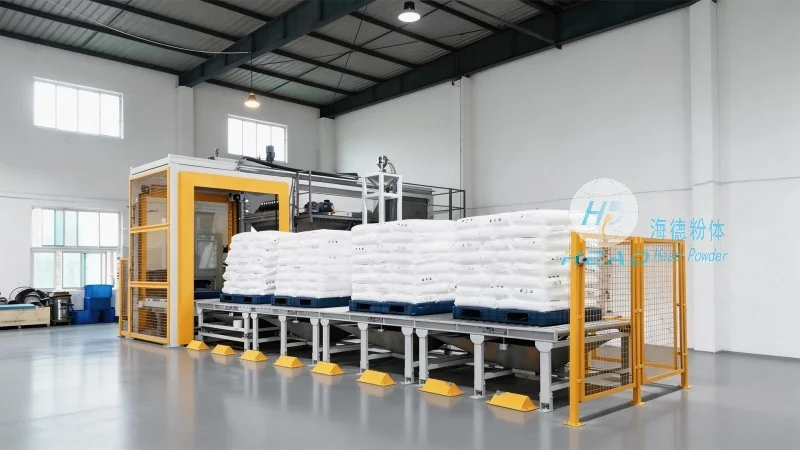
Working Principle of Pneumatic Conveying for Ferrous Sulfate
The core mechanism of a pneumatic conveying machine for ferrous sulfate powder revolves around creating a flow of air that can suspend and transport the powder particles. The process begins with the powder being fed from a storage hopper into the conveying line. As the air is introduced at a controlled pressure, it creates a drag force on the powder particles, allowing them to be carried along the pipeline. The velocity and pressure of the air are critical parameters that determine the efficiency of the conveying process. Proper design ensures that the air velocity is sufficient to keep the powder in suspension without causing excessive wear on the system components. This principle is particularly effective for fine powders like ferrous sulfate, which are prone to caking or dusting if not handled correctly.
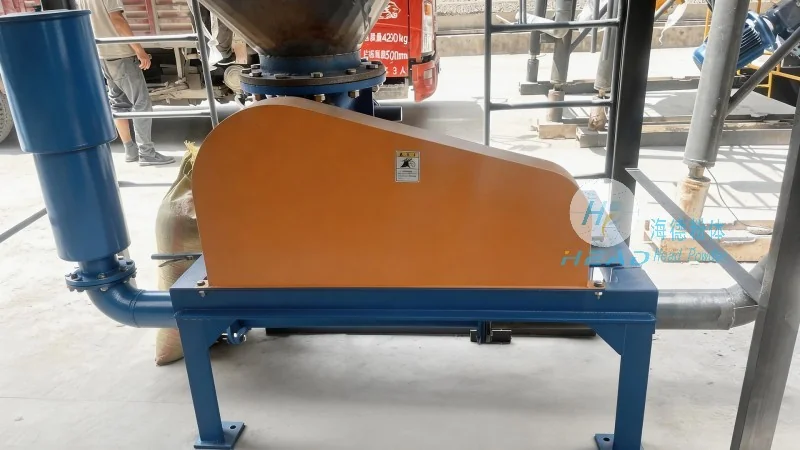
Key Working Scene Characteristics
When applied in industrial settings, the pneumatic conveying machine for ferrous sulfate powder exhibits several distinct characteristics that make it advantageous over traditional methods like belt conveyors or bucket elevators. First, it eliminates the need for physical contact between the powder and the conveyor components, reducing the risk of contamination and material degradation. Second, the system is highly effective at preventing dust emissions, which is critical for maintaining a clean and safe working environment, especially in facilities where air quality regulations are stringent. Third, the flexibility of pneumatic conveying allows for the integration of multiple feeding and discharge points, enabling complex material flow paths that can adapt to varying production demands. Additionally, the system can be designed to operate at different pressures, from low to high, to suit different distances and material properties, ensuring optimal performance across a range of operational scenarios.
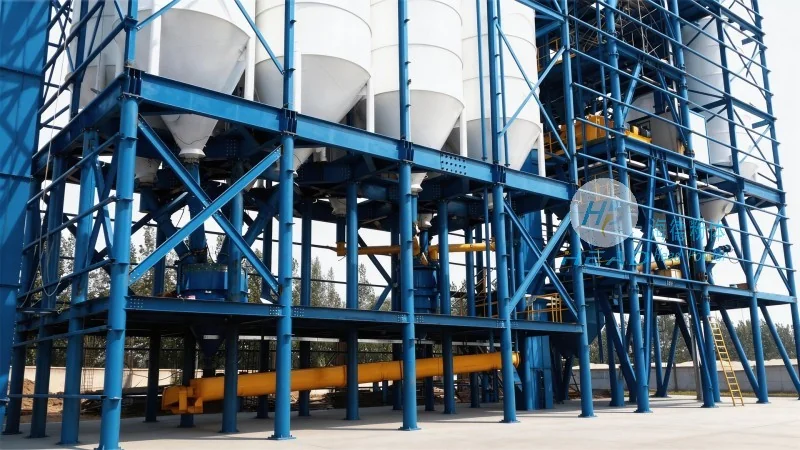
Application Scenarios in Industrial Operations
In the context of Shandong HeadPowder Engineering Co., Ltd., the pneumatic conveying machine for ferrous sulfate powder is widely used in various industrial applications. For instance, in chemical manufacturing plants, it facilitates the transfer of ferrous sulfate from storage silos to reaction vessels or packaging lines without the need for manual handling. In environmental treatment facilities, the system is employed to transport ferrous sulfate slurry or powder for water treatment processes, where precise dosing and consistent material flow are essential. The machine's ability to handle fine powders with minimal degradation also makes it suitable for pharmaceutical and food processing industries, where product purity is paramount. Furthermore, in mining and mineral processing operations, the pneumatic conveying system can be used to transport ferrous sulfate as a reagent or byproduct, optimizing the overall material handling workflow.
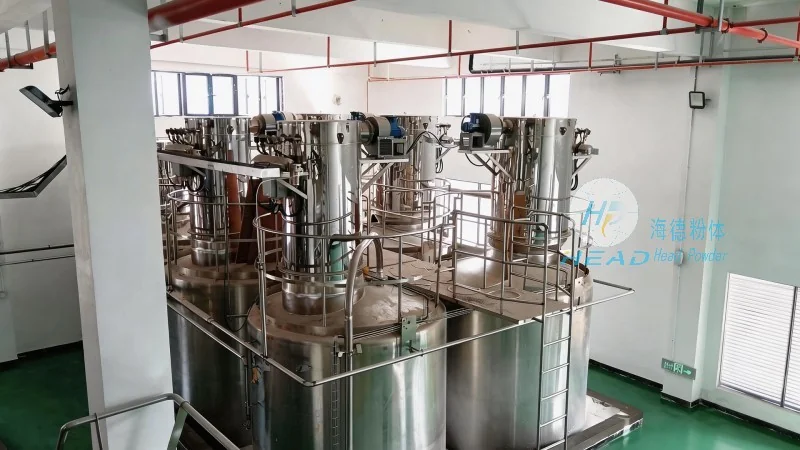
Operational Advantages and Considerations
From an operational perspective, the pneumatic conveying machine for ferrous sulfate powder offers several key advantages. The most significant is the reduction in labor costs associated with manual handling and material transfer. By automating the process, the system minimizes the risk of human error and improves overall productivity. Additionally, the system's compact design allows for installation in spaces where traditional conveyors may not fit, making it suitable for retrofitting in existing facilities. However, there are also considerations to keep in mind. The system requires regular maintenance to ensure the air filtration and pipeline components remain in good condition, as the fine powder can cause wear and blockages if not properly managed. Moreover, the energy consumption of the system, particularly the air compressor, should be considered in long-term operational planning. Despite these considerations, the benefits of improved efficiency, reduced dust, and enhanced safety often outweigh the costs, making the pneumatic conveying machine a preferred choice for many industrial applications.




