Soil powder pneumatic conveying machines are advanced industrial systems engineered to transport fine particulate materials such as soil, powders, and granules through a network of sealed pipelines using compressed air. This technology has revolutionized material handling in sectors like construction, mining, and environmental remediation by offering a dust-free, flexible, and low-maintenance alternative to traditional methods like belt conveyors or bucket elevators. The core advantage lies in its ability to handle abrasive and sensitive materials without degradation, making it ideal for applications where material integrity is critical.
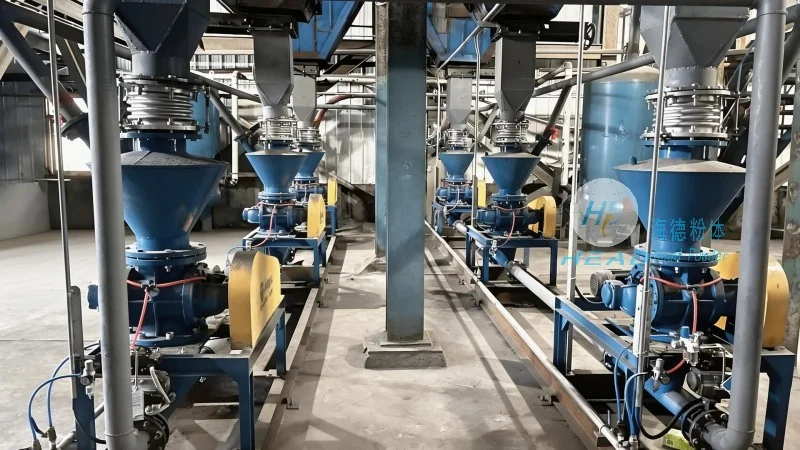
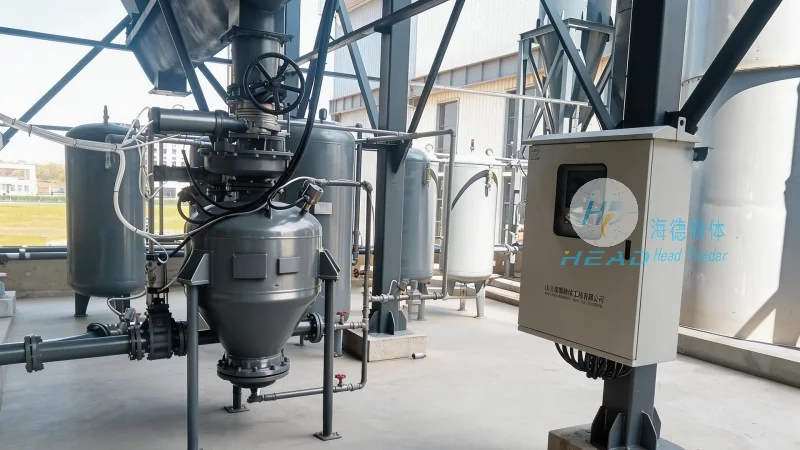
Core Principle of Pneumatic Conveying Systems
The fundamental operation of soil powder pneumatic conveying machines revolves around creating a pressure differential that propels material particles through the pipeline. Two primary operational modes are widely used: dilute phase and dense phase. Dilute phase systems utilize high-velocity air streams to suspend material particles, enabling long-distance transport with minimal pressure drops. This mode is suitable for materials that are non-abrasive and can be handled at higher velocities. Dense phase systems, conversely, operate at lower velocities and higher air-to-material ratios, maintaining material in a slurry-like state. This approach is preferred for delicate or high-value powders, as it reduces particle breakage and ensures consistent material flow. The selection of a mode depends on factors such as material characteristics, transport distance, and required material handling efficiency.
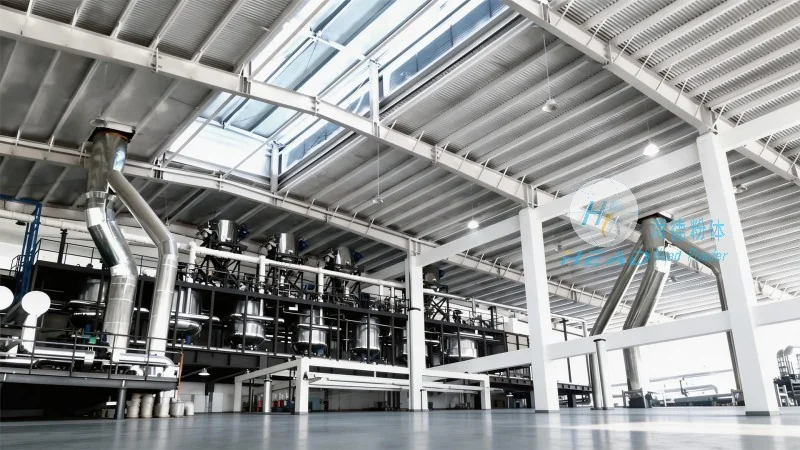
Key Components and Their Functions
Soil powder pneumatic conveying machines consist of several critical components that work in concert to ensure efficient material transport. The material feeder is the first component, responsible for introducing soil powder into the system in a controlled manner. It can be designed as a screw feeder, rotary valve, or vibrating feeder, depending on the material's flowability and bulk density. The blower or compressor is the power source, generating the necessary air pressure to move the material. Modern systems often use high-efficiency blowers that minimize energy consumption while maintaining optimal pressure levels. The pipeline network forms the backbone of the system, with materials transported through stainless steel or plastic pipes. Control valves, such as butterfly or gate valves, are integrated to regulate airflow and prevent backflow, ensuring smooth operation. Filters and cyclones are also essential components, designed to remove fine particles from the air stream and maintain system cleanliness. Each component is engineered to withstand the abrasive nature of soil particles, ensuring long-term reliability and minimal maintenance.
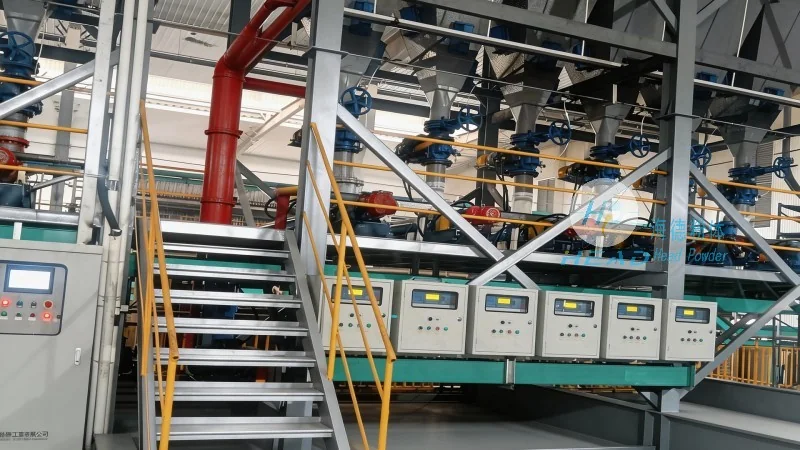
Working Scene Characteristics and Applications
The working scene characteristics of soil powder pneumatic conveying machines are tailored to diverse industrial environments, making them versatile for various applications. In construction sites, these machines are commonly used to transport excavated soil from excavation areas to disposal or processing sites. This eliminates the need for manual handling, reduces dust exposure, and improves overall site safety. The flexible design allows for integration into existing infrastructure, adapting to changing project requirements. In mining operations, they facilitate the transport of ore powders from crushing and grinding processes to storage or further processing units. This enhances operational efficiency by reducing downtime and minimizing material loss. Environmental remediation projects also benefit significantly from these systems, as they enable the safe and efficient removal of contaminated soil from contaminated sites. Adhering to strict environmental regulations, pneumatic conveying ensures that materials are handled without contamination, protecting both workers and the environment. The compact design of these systems also saves valuable space in industrial facilities, making them suitable for both large-scale and small-scale operations.




