Principle and Working Scene Characteristics of Corn Stalk Powder Pneumatic Conveying Line
Release time:2026-09-19 19:01:33
name of the company:Shandong Headpowder Engineering Co., Ltd.
telephone:156-6277-7102
contacts:Zhang manager
HeadPowder, a leading provider in the field of powder handling technology, specializes in the design and implementation of advanced pneumatic conveying systems. This article delves into the fundamental principles of corn stalk powder pneumatic conveying lines and highlights the key characteristics of their operational environments. The company, based in Shandong, China, has extensive experience in optimizing material transport solutions for agricultural and industrial applications.
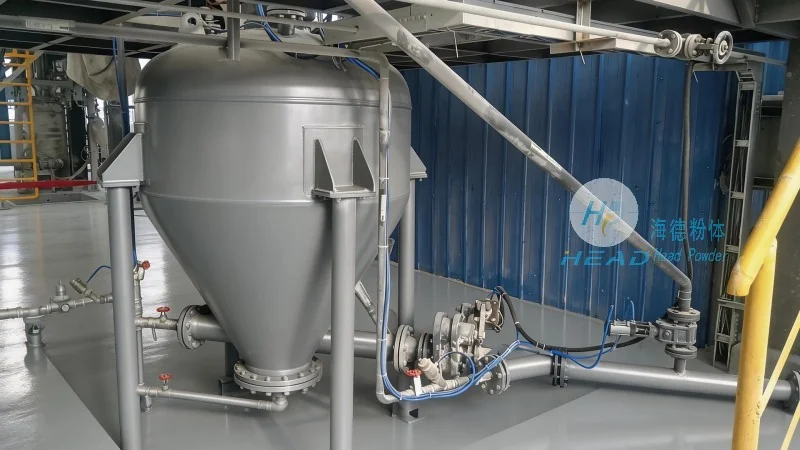
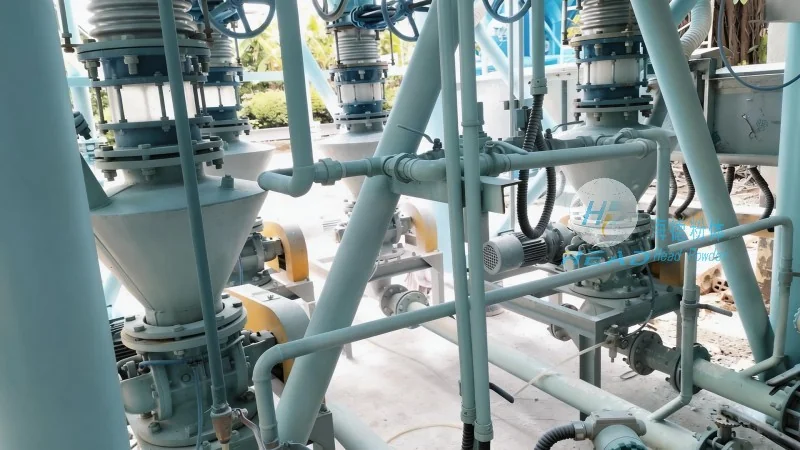
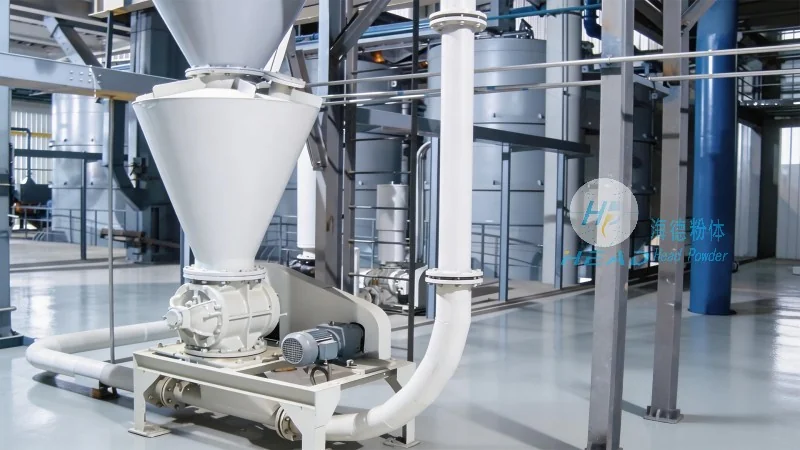
Principle of Corn Stalk Powder Pneumatic Conveying Line
The core principle of a corn stalk powder pneumatic conveying line involves the use of compressed air to transport dry, powdery materials like corn stalks through a pipeline system. This method, known as pneumatic conveying, relies on the creation of a pressure differential to move the material from the source to the destination. The system typically consists of a hopper for material storage, a feeder to control the flow rate, a compressor to generate the necessary air pressure, and a pipeline network that guides the material and air mixture. The air, often mixed with the powder, creates a fluidized state that allows the material to be transported efficiently. Key components such as rotary valves, cyclone separators, and filters are integrated to ensure smooth operation and prevent material degradation or air contamination. The design of the system is tailored to handle the specific properties of corn stalk powder, including its bulk density, moisture content, and particle size distribution, to achieve optimal conveying efficiency and minimize energy consumption.
Working Scene Characteristics of Corn Stalk Powder Pneumatic Conveying Line
The operational environment of corn stalk powder pneumatic conveying lines is characterized by several distinct features that impact system performance and maintenance. Firstly, the material itself presents unique challenges due to its fibrous and lightweight nature. Corn stalks, when processed into powder, have a relatively low bulk density, which can affect the conveying velocity and pressure drop across the pipeline. The system must be designed to handle these characteristics to prevent blockages or reduced throughput. Secondly, the working environment often involves high ambient temperatures and varying humidity levels, which can influence the material's flowability and the air's properties. Proper temperature control and moisture management are critical to maintaining consistent conveying performance. Thirdly, the operational scale of these systems can range from small-scale agricultural processing facilities to large industrial plants, requiring flexible and scalable solutions. The working scene also includes considerations for dust control and environmental compliance, as pneumatic conveying systems can generate significant dust during operation. Effective dust collection and filtration systems are essential to ensure safe and clean operation. Additionally, the system's integration with other processing equipment, such as grinding mills or storage silos, is crucial for seamless material flow and overall plant efficiency. The working scene characteristics highlight the need for robust, reliable, and adaptable pneumatic conveying solutions that can meet the demands of corn stalk powder handling in diverse industrial and agricultural settings.




