For industrial applications involving synthetic rubber materials, efficient and reliable material handling systems are crucial. The equipment designed for transporting and processing synthetic rubber, such as those offered by Shandong HeadPowder Engineering Co., Ltd., combines advanced engineering principles with practical design to meet the demands of various industrial processes. This article explores the fundamental principles behind these systems and highlights the key working scene characteristics that define their effectiveness in real-world applications.
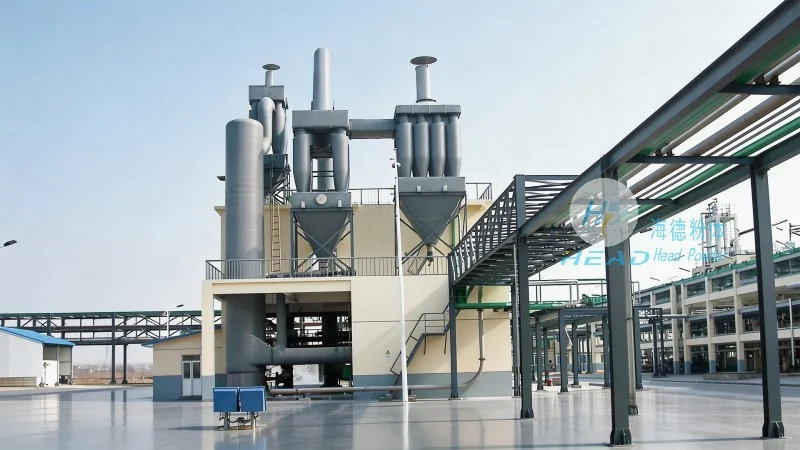
Basic Principles of Synthetic Rubber Material Handling Systems
The core of any synthetic rubber material handling system lies in its ability to transport bulk materials with precision and minimal loss. These systems typically incorporate components like conveyor belts, pneumatic conveyors, and specialized feeding mechanisms that are engineered to handle the unique properties of synthetic rubber, including its elasticity, temperature sensitivity, and varying particle sizes. The design focuses on ensuring that the material is moved smoothly without degradation or contamination, which is critical for maintaining product quality throughout the handling process.
One of the primary principles is the integration of control systems that allow for real-time monitoring and adjustment of the handling parameters. This includes sensors that detect material flow rates, temperature variations, and potential blockages, enabling automated responses to maintain optimal operation. The systems are also built with durability in mind, as synthetic rubber handling often involves abrasive or heavy loads that can stress equipment components. Materials such as stainless steel and corrosion-resistant alloys are commonly used in the construction of these systems to ensure longevity and reliability.
Working Scene Characteristics and Application Scenarios
The effectiveness of synthetic rubber material handling systems is heavily influenced by the specific working environments in which they operate. These systems are widely used in manufacturing plants, processing facilities, and storage warehouses where synthetic rubber is produced, processed, or prepared for further use. The working scene characteristics vary based on the scale of operations, the type of synthetic rubber being handled, and the downstream processes that follow.
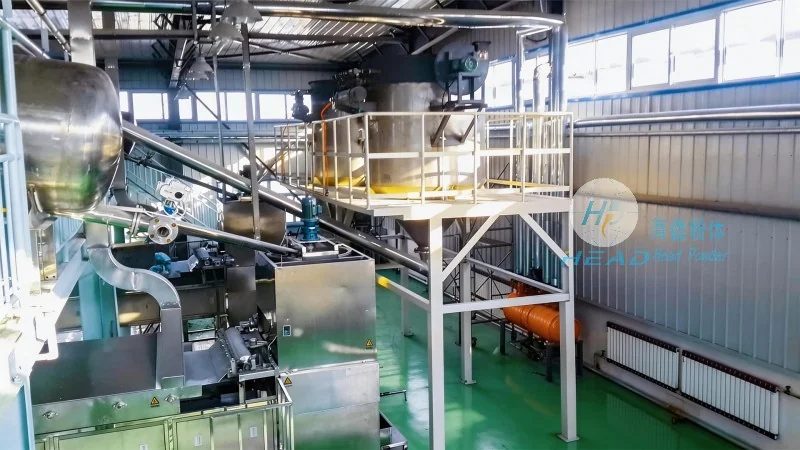
In large-scale production facilities, the systems are often designed to handle high volumes of material, with continuous operation being a key requirement. The conveyor systems may feature multiple stages, including feeding, sorting, and packaging, to streamline the entire production line. For example, in a tire manufacturing plant, synthetic rubber material handling systems are essential for transporting raw rubber from storage to the mixing and vulcanization stages, ensuring a consistent supply of material to maintain production efficiency.
Smaller-scale applications, such as in specialized rubber processing workshops or research laboratories, may require more flexible and compact handling solutions. These systems might include portable conveyors or pneumatic transport units that can be adjusted to handle different types of synthetic rubber, from fine powders to larger granules. The working scene in these environments often involves precise control over material flow, as even small variations can impact the quality of the final products.
Key Features and Advantages in Practical Applications
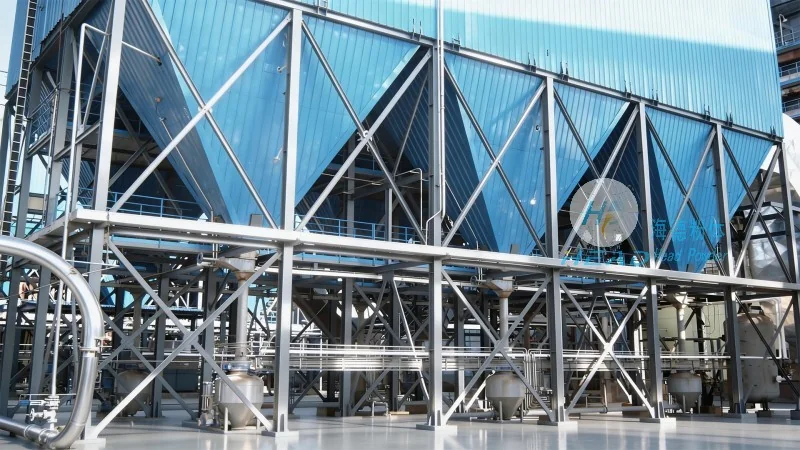
When evaluating synthetic rubber material handling systems, several key features stand out as beneficial for industrial use. The ability to handle a wide range of synthetic rubber types, including different grades and formulations, is a significant advantage. This versatility allows the systems to adapt to changing production needs without requiring extensive modifications. Additionally, the systems are designed to minimize material waste and contamination, which is vital for maintaining product purity and reducing operational costs.
Another important characteristic is the energy efficiency of these systems. Modern designs incorporate advanced motor controls and energy-saving technologies that reduce power consumption while maintaining performance. This not only lowers operational costs but also aligns with environmental sustainability goals in industrial operations. The systems also feature easy maintenance and cleaning capabilities, as synthetic rubber can sometimes adhere to surfaces and require regular upkeep to prevent clogging or degradation.
Conclusion: The Role of Synthetic Rubber Material Handling Systems in Industrial Operations
Overall, synthetic rubber material handling systems play a critical role in ensuring the smooth and efficient operation of industrial processes that involve synthetic rubber materials. By adhering to fundamental engineering principles and adapting to specific working scene characteristics, these systems provide reliable, efficient, and cost-effective solutions for material transport and processing. As the demand for synthetic rubber products continues to grow, the importance of well-designed material handling systems will only increase, making them an essential component of modern industrial infrastructure.




