Waste management is a critical aspect of urban and industrial operations, and efficient handling of solid waste is essential for maintaining environmental sustainability and public health. Among the various technologies used in waste processing, waste powder conveying machines play a pivotal role in transporting bulk waste materials from collection sites to treatment facilities. This article explores the fundamental principles behind these machines and highlights their key working scene characteristics, providing insights into how they contribute to effective waste management systems.
Introduction to Waste Powder Conveying Machines
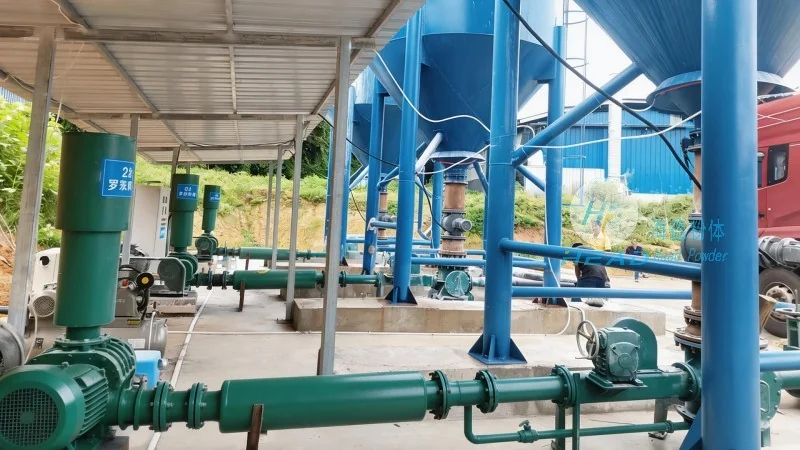
Waste powder conveying machines, also known as waste powder transporters or bulk waste conveyors, are specialized equipment designed to move large volumes of solid waste in powder or granular form. These machines are integral to modern waste management infrastructure, enabling the efficient transfer of waste from collection points to processing centers such as landfills, incineration plants, or recycling facilities. The technology behind these machines combines mechanical and pneumatic principles to ensure reliable and safe transportation of waste materials, minimizing human intervention and operational risks.
Working Principle of Waste Powder Conveying Machines
The core working principle of waste powder conveying machines revolves around the use of air or mechanical forces to move waste materials through a closed system. There are primarily two types of systems: pneumatic conveying systems and mechanical conveying systems. Pneumatic systems utilize compressed air to create a flow that propels the waste particles through a pipeline, while mechanical systems employ rotating components like screws, belts, or buckets to transport the material. In pneumatic systems, the waste is often mixed with air to form a slurry or suspension, which is then transported through the pipeline under pressure. This method is particularly effective for handling fine powders and granular waste, as it minimizes dust generation and ensures consistent flow rates.
For mechanical conveying systems, the design typically involves a continuous rotating mechanism that pulls the waste material along a conveyor path. Screw conveyors, for instance, use a helical screw inside a tube to move the waste forward, while belt conveyors utilize a moving belt to transport the material over a series of rollers. These mechanical systems are often preferred for heavier or bulkier waste materials that may not be easily suspended in air. The choice between pneumatic and mechanical systems depends on factors such as the type of waste, the distance to be covered, and the desired level of dust control.
Key Working Scene Characteristics of Waste Powder Conveying Machines
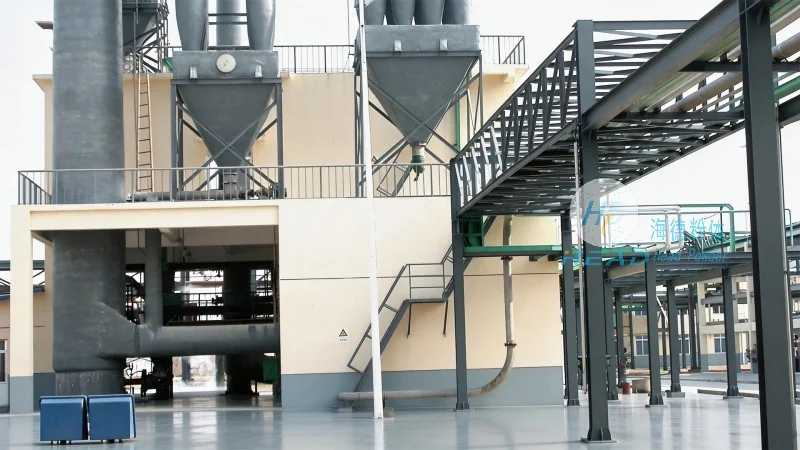
The effectiveness of waste powder conveying machines is heavily influenced by their application in specific working environments. Understanding these characteristics is crucial for selecting the right equipment for a particular waste management scenario. The primary working scene characteristics include:
1. Waste Type and Composition
The nature of the waste being transported significantly impacts the choice of conveying system. For instance, fine powders like municipal solid waste (MSW) or industrial waste may require pneumatic systems due to their low density and tendency to create dust. In contrast, bulkier materials like construction debris or organic waste may be better suited for mechanical systems that can handle higher loads. The composition of the waste, including moisture content and particle size, also affects the system's efficiency and maintenance requirements.
2. Transportation Distance and Layout
The distance between the waste collection point and the treatment facility is a critical factor in determining the type of conveying machine. For short distances, mechanical conveyors like belt or screw systems may be sufficient. However, for longer distances, pneumatic systems are often more efficient as they can transport materials over several hundred meters without significant loss of pressure. The layout of the facility, including the presence of obstacles or vertical elevations, also influences the design of the conveying system, with some systems requiring vertical lifts or inclined conveyors to navigate changes in elevation.
3. Environmental and Safety Considerations
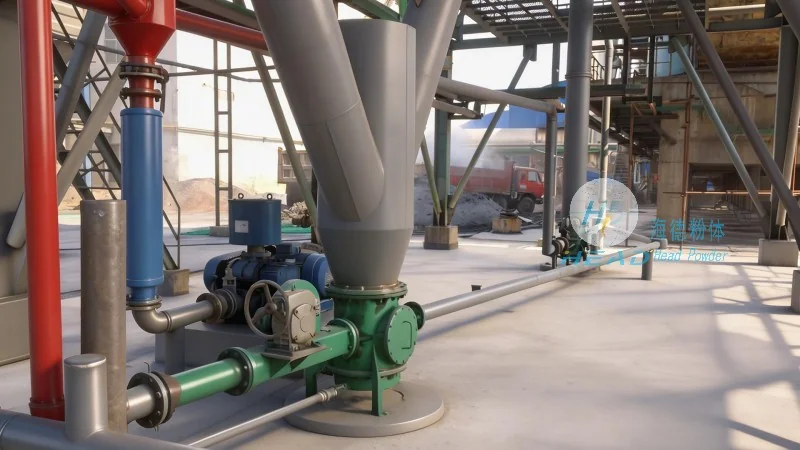
Working scene characteristics also include environmental and safety requirements. Waste powder conveying machines must be designed to minimize dust emissions and prevent contamination of the surrounding environment. This is particularly important in urban areas where air quality is a concern. Additionally, the equipment must comply with safety regulations to protect workers from hazards such as moving parts or exposure to hazardous waste materials. Features like enclosed systems, dust filtration, and emergency stop mechanisms are essential to ensure safe operation in various working environments.
4. Operational Efficiency and Maintenance
The working scene characteristics also encompass the operational efficiency and maintenance needs of the conveying system. Efficient machines should offer high throughput rates while minimizing energy consumption. The design of the system, including the use of high-efficiency motors and optimized air flow in pneumatic systems, contributes to energy savings. Maintenance requirements vary depending on the type of system; mechanical systems may require regular lubrication and component replacement, while pneumatic systems may need filters and air compressors to maintain performance. Understanding these aspects helps in selecting a system that balances operational efficiency with long-term maintenance costs.
Application Scenarios of Waste Powder Conveying Machines
Waste powder conveying machines are widely used in various waste management applications across different industries. The following scenarios illustrate their practical implementation:
1. Municipal Solid Waste (MSW) Handling
In municipal waste management, these machines are used to transport collected waste from curbside bins to transfer stations or treatment plants. For example, in cities with large populations, waste is often collected in large containers and then transferred to a central facility using pneumatic conveyors. This method reduces the number of trucks on the road, lowers transportation costs, and minimizes the risk of spillage. The machines are designed to handle a wide range of waste types, including paper, plastic, and organic materials, ensuring efficient processing at the treatment facility.
2. Industrial Waste Processing
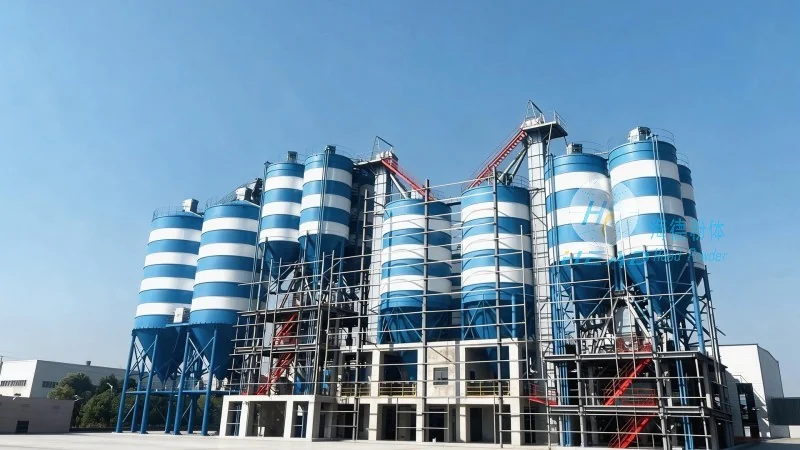
Industrial facilities, such as manufacturing plants or chemical processing units, generate significant amounts of waste that require specialized handling. Waste powder conveying machines are used to transport these waste materials from production lines to storage or treatment areas. The systems are often integrated with other processing equipment, such as shredders or grinders, to prepare the waste for further treatment. This integration improves overall operational efficiency and ensures that waste is handled in a controlled manner, reducing environmental impact.
3. Landfill and Waste-to-Energy Facilities
At landfill sites and waste-to-energy plants, waste powder conveying machines play a crucial role in moving waste to processing areas. In landfill operations, the machines help in transporting waste to the disposal area, while in waste-to-energy plants, they transport waste to the combustion chamber. The systems are designed to handle large volumes of waste, often operating continuously to meet the demands of the facility. The efficiency of these machines directly impacts the overall productivity of the plant, as delays in waste transportation can lead to operational bottlenecks.
Conclusion
Waste powder conveying machines are essential components of modern waste management systems, offering efficient and reliable solutions for transporting bulk waste materials. By understanding the working principles and key characteristics of these machines, waste management facilities can select the appropriate equipment to meet their specific needs. The technology behind these machines continues to evolve, with advancements in materials, control systems, and energy efficiency improving their performance and reducing environmental impact. As the demand for sustainable waste management practices grows, the role of waste powder conveying machines will become increasingly important in ensuring the effective handling of waste materials and contributing to a cleaner environment.




