HeadPowder, a leading manufacturer based in Shandong, China, specializes in the design and implementation of advanced powder conveying systems. One of their core offerings is the nitrogen-protected powder conveying line, a critical solution for industries requiring strict contamination control and efficient material handling. This system is engineered to maintain an inert atmosphere throughout the powder transport process, ensuring product integrity and safety in various industrial applications.
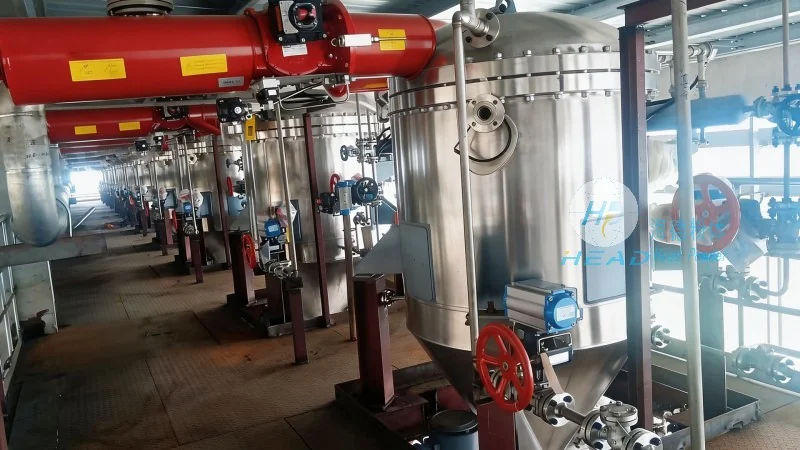
The Working Principle of Nitrogen Protection in Powder Handling
The fundamental principle behind nitrogen-protected powder conveying lines is the creation and maintenance of a nitrogen-rich environment within the conveying pipeline. This is achieved by continuously supplying high-purity nitrogen gas to the system, which displaces oxygen and other atmospheric gases. The nitrogen gas acts as a protective barrier, preventing the oxidation of sensitive powders and minimizing the risk of fire or explosion in environments where combustible materials are handled. The system typically includes nitrogen generators, gas distribution manifolds, and pressure sensors to ensure consistent and reliable protection. By controlling the nitrogen flow rate and pressure, the system maintains a positive pressure inside the pipeline, preventing external air from entering and contaminating the powder stream.
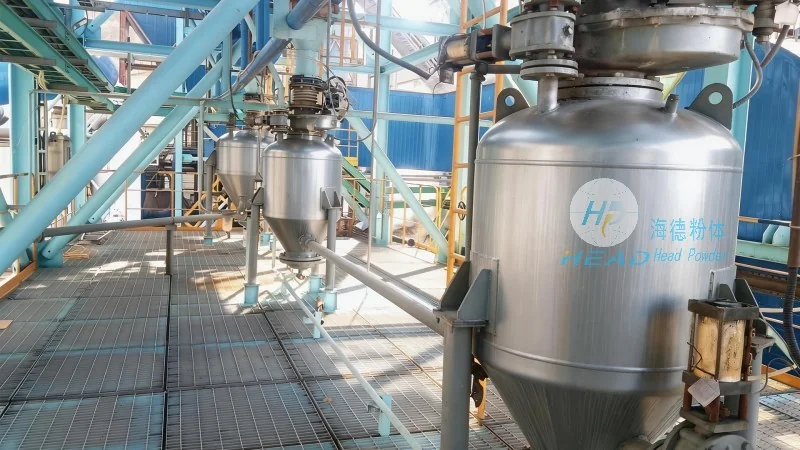
Key Components of a Nitrogen-Protected Conveying Line
HeadPowder's nitrogen-protected powder conveying lines are composed of several key components that work in tandem to ensure optimal performance. These include: 1. **Nitrogen Generation Unit**: This unit produces high-purity nitrogen gas from air, often using pressure swing adsorption (PSA) technology. The purity levels are typically maintained at 99.999% or higher, ensuring effective protection against oxidation. 2. **Conveying Equipment**: The core of the system, which may include screw conveyors, pneumatic ducts, or combination systems, designed to transport the powder while maintaining the inert atmosphere. 3. **Gas Distribution System**: This includes manifolds, valves, and regulators that distribute the nitrogen gas evenly throughout the pipeline network. 4. **Monitoring and Control Systems**: Sensors and control panels that monitor pressure, flow rate, and gas purity, providing real-time feedback and automatic adjustments to maintain system integrity. 5. **Seal and Connection Technologies**: Specialized seals and connectors that prevent gas leakage and maintain the integrity of the nitrogen barrier, especially at joints and transitions between different components.
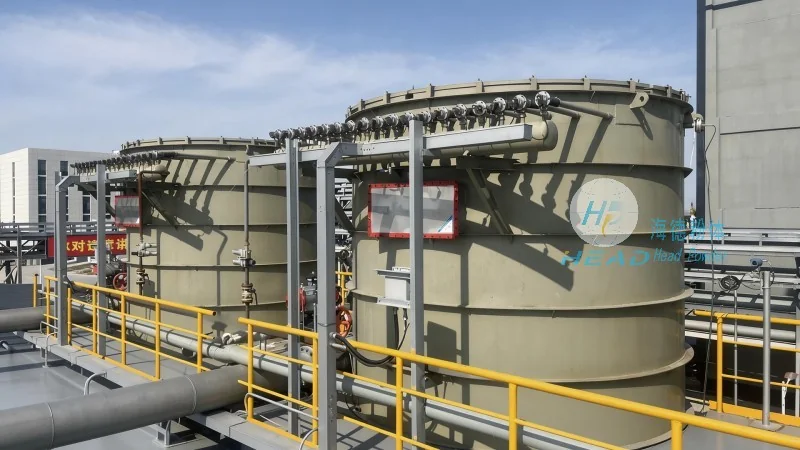
Application Scenarios and Industry Use Cases
The nitrogen-protected powder conveying line is widely used in industries where the quality and safety of powders are paramount. Some of the key application scenarios include: 1. **Pharmaceutical Industry**: In the production of active pharmaceutical ingredients (APIs) and drug powders, nitrogen protection is essential to prevent oxidation, moisture absorption, and contamination, which can affect the efficacy and stability of the final product. 2. **Food and Beverage Industry**: For handling sensitive food powders, such as dairy products, spices, and vitamins, nitrogen protection ensures that the powders remain fresh, free from microbial growth, and maintain their nutritional value. 3. **Chemical Industry**: In the processing of flammable or reactive powders, such as polymers, pigments, and catalysts, the nitrogen system provides a safe environment, reducing the risk of fire or explosion during transport. 4. **Electronics Industry**: For conveying powders used in semiconductor manufacturing, such as metal powders and ceramic materials, nitrogen protection prevents contamination and ensures the purity required for high-tech applications. 5. **Agricultural Industry**: In the handling of fertilizers and other agricultural powders, nitrogen protection helps maintain product quality and prevent degradation due to exposure to air.
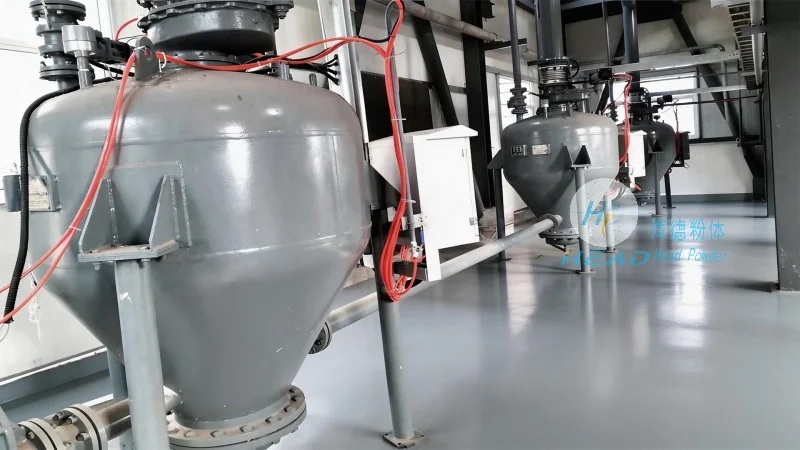
Advantages of Using Nitrogen-Protected Conveying Lines
Implementing a nitrogen-protected powder conveying line offers several significant advantages for industrial operations. First, it enhances product quality by preventing oxidation and moisture absorption, which can lead to product degradation and reduced shelf life. Second, it improves safety by eliminating the risk of fire or explosion in environments where combustible powders are handled. Third, it increases operational efficiency by maintaining consistent material flow and reducing downtime caused by contamination or equipment failure. Fourth, it reduces maintenance costs by minimizing wear and tear on equipment due to the absence of oxygen and moisture. Finally, it provides a more environmentally friendly solution by reducing the need for chemical additives or other protective measures.




