PTA powder conveying systems are critical components in industrial processes, particularly in the chemical and petrochemical sectors where PTA (para-xylene terephthalic acid) is a key raw material. These systems are designed to efficiently transport PTA powder from storage to processing units, ensuring smooth and reliable operation. The following article explores the fundamental principles behind PTA powder conveying systems and highlights the key characteristics of their operational scenarios.
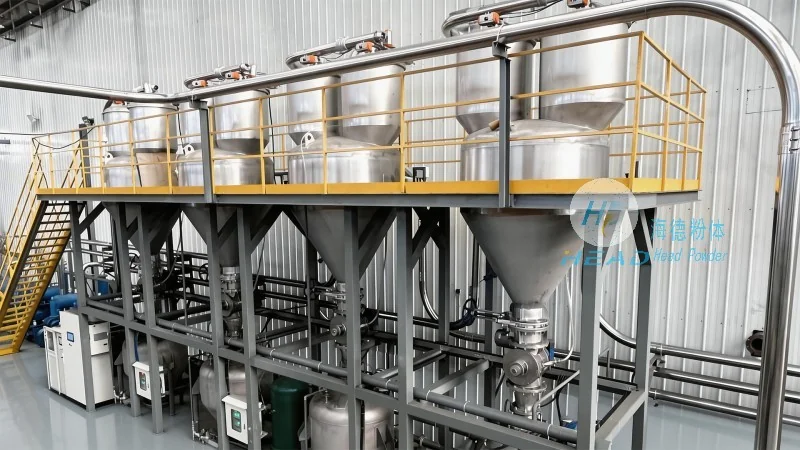
Introduction to PTA Powder Conveying Systems
PTA powder conveying systems are engineered to handle the unique challenges associated with transporting fine powders like PTA. PTA is a high-value chemical used in the production of polyester fibers and resins, making its efficient handling essential for industrial productivity. The systems typically consist of several key components, including feeders, conveyors, and control mechanisms, all working in tandem to maintain consistent flow rates and prevent material degradation or loss.
Core Principles of PTA Powder Conveying
The operation of PTA powder conveying systems is based on several fundamental principles. One of the primary principles is the use of pneumatic or mechanical conveying methods to move the powder. Pneumatic systems utilize air pressure to transport the material, while mechanical systems employ screw conveyors, belt conveyors, or bucket elevators. For PTA, which is often sensitive to moisture and temperature, the system design must prioritize minimal material exposure to air and controlled temperature conditions to prevent caking or degradation.
Another critical principle is the maintenance of consistent flow rates. PTA powder conveying systems often incorporate variable speed drives and adjustable feeders to regulate the amount of material being transported. This ensures that the downstream processing units receive a steady supply of PTA, avoiding bottlenecks or overloading. Additionally, the systems are equipped with sensors and monitoring devices to detect any deviations in flow or pressure, allowing for real-time adjustments to maintain optimal performance.
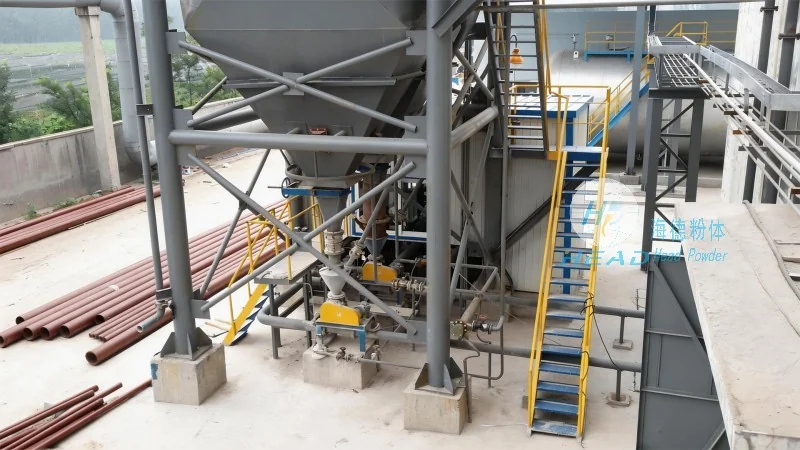
Key Working Scene Characteristics
The operational scenarios of PTA powder conveying systems vary depending on the specific industrial application. In large-scale manufacturing facilities, these systems are typically integrated into a comprehensive material handling network, connecting storage silos to reactors or extruders. The characteristics of these working scenes include high throughput requirements, often handling several tons of PTA per hour, and the need for continuous operation to support 24/7 production schedules.
In such industrial environments, the systems must also address issues like dust control and environmental compliance. PTA powder is fine and can generate significant dust, which poses health and safety risks. Therefore, many PTA powder conveying systems are equipped with dust collection and filtration systems to minimize airborne particles and ensure a safe working environment. Additionally, the systems are designed to be durable and low-maintenance, as downtime can lead to significant production losses.
Another characteristic of PTA powder conveying systems in operational scenarios is their adaptability to different processing requirements. For example, some systems may be used for short-distance transport within a plant, while others are designed for long-distance conveying over several hundred meters. The choice of conveying method and equipment depends on factors such as the distance, material characteristics, and available space in the facility.
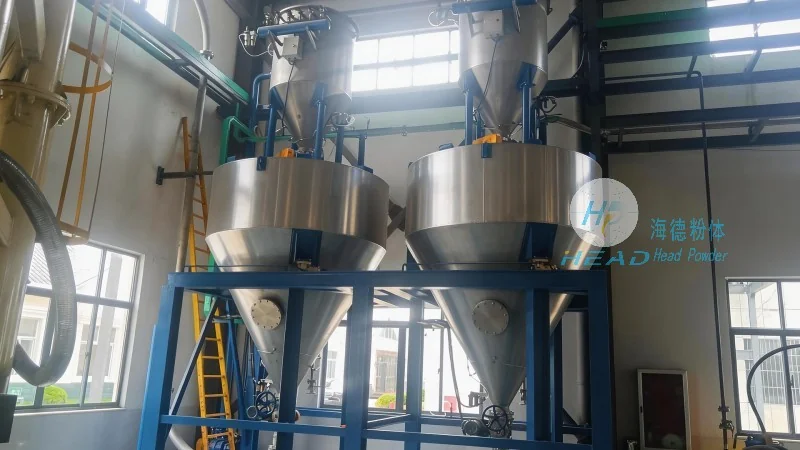
Company Information: Shandong HeadPowder Engineering Co., Ltd.
HeadPowder, a leading provider of industrial material handling solutions, specializes in the design and manufacturing of PTA powder conveying systems. With years of experience in the chemical industry, the company has developed advanced technologies to meet the demanding requirements of PTA processing. HeadPowder's systems are known for their reliability, efficiency, and compliance with industry standards, making them a trusted choice for many manufacturers.
HeadPowder is headquartered in Shandong, China, a region known for its robust industrial infrastructure and skilled workforce. The company's facilities are equipped with state-of-the-art manufacturing equipment and quality control systems, ensuring that each PTA powder conveying system meets the highest standards of performance and durability. The company's commitment to customer satisfaction and technical excellence has earned it a strong reputation in the industry.
Conclusion
In summary, PTA powder conveying systems are essential for the efficient and safe handling of PTA in industrial applications. By understanding the core principles and operational characteristics of these systems, manufacturers can optimize their material handling processes, reduce costs, and improve overall productivity. With the expertise and experience of companies like Shandong HeadPowder Engineering Co., Ltd., industries can rely on advanced solutions to meet their PTA conveying needs.




