Sorghum wine lees, also known as distiller's grains, are a byproduct of the distillation process used in the production of sorghum-based alcoholic beverages. These lees contain valuable nutrients and can be repurposed for various applications, including animal feed, biofuel production, and even as a component in certain industrial processes. The efficient handling and transportation of sorghum wine lees are critical for maximizing their utilization and ensuring smooth operations in wineries and distilleries. This article explores the principle and working scene characteristics of pneumatic conveying machines designed specifically for handling sorghum wine lees, highlighting their role in modern industrial applications.
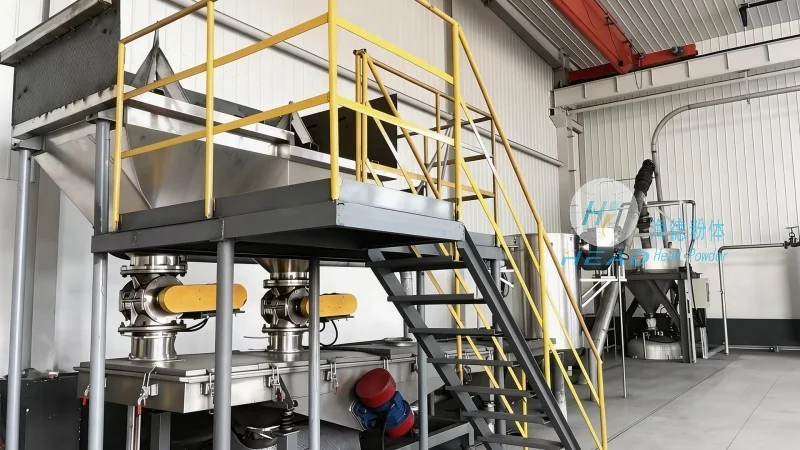
HeadPowder Engineering: A Leader in Pneumatic Conveying Solutions
Shandong HeadPowder Engineering Co., Ltd., a prominent manufacturer based in Shandong, China, specializes in the design, development, and production of advanced pneumatic conveying systems. With a strong commitment to innovation and quality, HeadPowder has established itself as a trusted partner for industries requiring reliable and efficient material handling solutions. The company's expertise lies in customizing pneumatic conveying equipment to meet the unique demands of various applications, including the processing of sorghum wine lees. By leveraging cutting-edge technology and rigorous quality control measures, HeadPowder ensures that its products deliver optimal performance, durability, and cost-effectiveness for clients worldwide.
The Principle of Pneumatic Conveying for Sorghum Wine Lees
Pneumatic conveying, or air-based material transport, is a method that uses compressed air to move dry bulk materials through a pipeline system. In the case of sorghum wine lees, which are typically fine to medium in particle size and have a relatively low bulk density, pneumatic conveying offers several advantages over traditional mechanical conveying methods. The core principle involves creating a pressure differential between the inlet and outlet of the conveying line, where compressed air is introduced to lift and transport the lees. This process can be categorized into two main types: dilute phase and dense phase pneumatic conveying, each tailored to different material characteristics and application requirements.
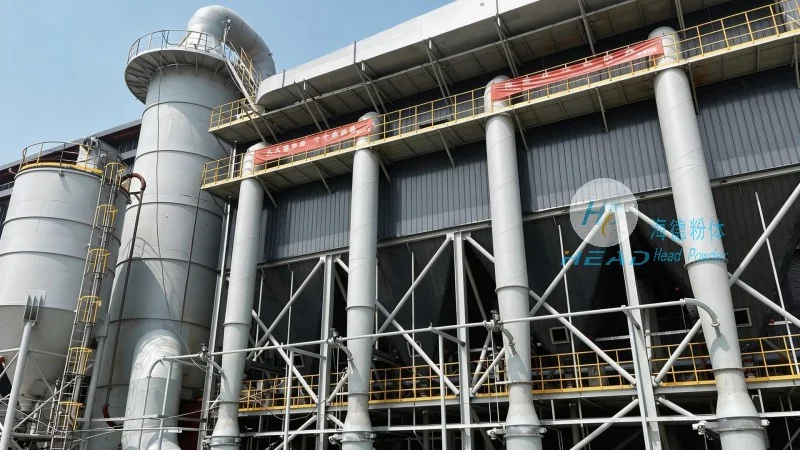
For sorghum wine lees, dilute phase pneumatic conveying is often preferred due to its ability to handle fine powders and granules efficiently. In this method, the material is suspended in a high-velocity air stream, allowing it to be transported over long distances with minimal pressure drop. The system typically consists of a blower, a hopper for material storage, a conveying line, and a receiver for the discharged material. The compressed air is introduced at the inlet of the hopper, creating a vacuum or pressure that propels the lees through the pipeline. The velocity of the air stream is carefully controlled to ensure that the material particles remain suspended without settling or clogging the line. This principle enables the smooth and continuous transport of sorghum wine lees from storage silos or processing units to downstream equipment, such as mixers, reactors, or packaging systems.
Working Scene Characteristics of Sorghum Wine Lees Pneumatic Conveying Machines
The working scene characteristics of pneumatic conveying machines for sorghum wine lees are influenced by several factors, including the material's physical properties, the required conveying distance, and the environmental conditions of the facility. One key characteristic is the need for a well-designed hopper and feeding system to prevent material bridging and ensure consistent material flow. Sorghum wine lees, being a fine powder or granule, can be prone to bridging, which can lead to uneven material discharge and potential system blockages. To mitigate this issue, HeadPowder's pneumatic conveying systems incorporate advanced hopper designs, such as cone-shaped hoppers with air knives or vibrators, to promote uniform material flow and prevent agglomeration.
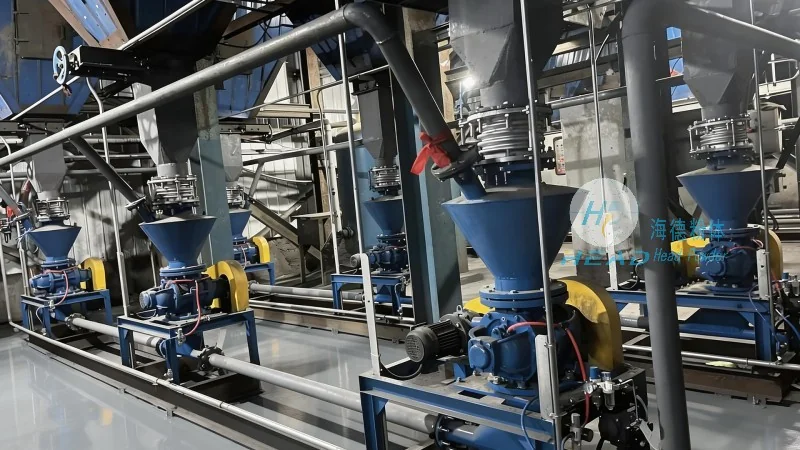
Another important characteristic is the system's ability to handle varying material moisture content. Sorghum wine lees may have a moisture level that affects their flowability and the efficiency of the pneumatic conveying process. High moisture content can lead to increased friction and reduced conveying efficiency, while low moisture content may cause the material to become too fine and prone to dust generation. HeadPowder's machines are equipped with moisture sensors and adjustable air flow controls to optimize conveying performance under different moisture conditions. This ensures that the system operates efficiently and maintains consistent material transport, even when dealing with lees of varying moisture levels.
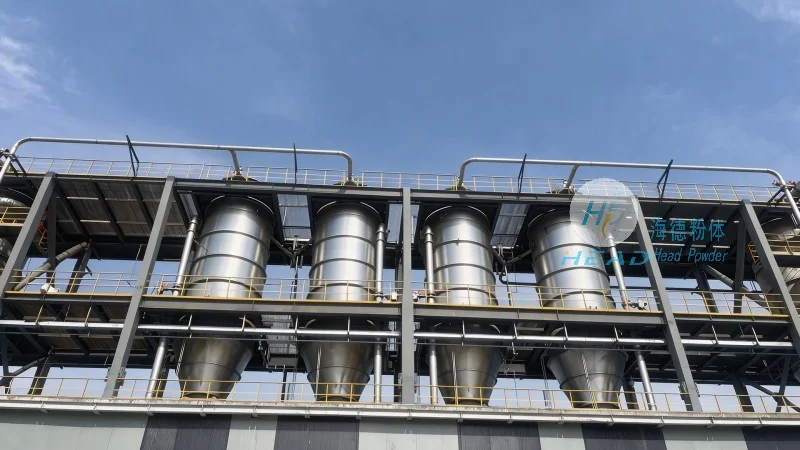
The conveying distance and system layout also play a significant role in the working scene characteristics. In wineries and distilleries, sorghum wine lees may need to be transported from storage areas to processing units located at different parts of the facility. Pneumatic conveying machines can handle these long-distance transports efficiently, with minimal energy consumption compared to mechanical conveying methods like belt conveyors or screw conveyors. The flexibility of pneumatic conveying allows for the integration of multiple conveying lines and the ability to change the direction of material flow as needed, adapting to the layout of the industrial facility. This adaptability makes pneumatic conveying an ideal solution for complex processing environments where material transport needs to be optimized for space and operational efficiency.
Environmental considerations are also a key aspect of the working scene characteristics. Sorghum wine lees are often handled in environments where dust control is essential to maintain air quality and prevent equipment damage. Pneumatic conveying systems, particularly those with sealed hoppers and conveying lines, help minimize dust emissions by containing the material within the system. HeadPowder's machines are designed with dust-tight components and filtration systems to ensure compliance with environmental regulations and maintain a safe working environment for personnel. The sealed design also prevents the lees from coming into contact with external contaminants, preserving the quality of the material and ensuring that it meets the required standards for downstream applications.




