Coal particle pneumatic conveying systems represent a sophisticated technology used in the transportation of coal particles through a pipeline using air as the conveying medium. This method is widely adopted in various industrial applications due to its efficiency, flexibility, and ability to handle bulk materials over long distances. The system operates by creating a pressure differential that propels the coal particles through the pipeline, ensuring a continuous and reliable flow of material.
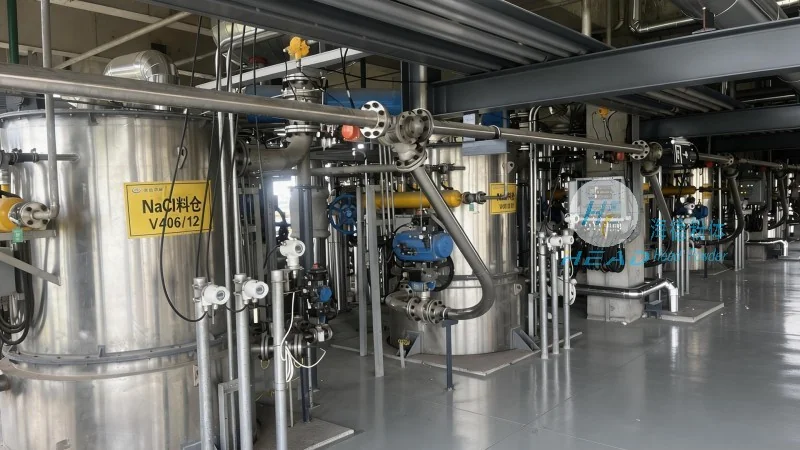
Core Principles of Pneumatic Conveying
The fundamental principle of coal particle pneumatic conveying involves the use of compressed air to transport solid particles. In a typical system, coal is fed into a hopper or feeder, where it is then introduced into a pipeline. The air, often under positive pressure or negative pressure (suction), moves the coal particles along the pipeline. The system's design, including the type of air flow (e.g., dilute phase or dense phase), significantly influences the conveying capacity and efficiency. For coal particles, the choice of conveying mode depends on factors such as particle size, moisture content, and the required distance of transportation.
Working Scene Characteristics
The working scene characteristics of coal particle pneumatic conveying systems are tailored to meet the specific demands of industrial environments. These systems are commonly used in power plants, coal mines, and processing facilities where large volumes of coal need to be moved from storage to processing units or from production sites to distribution points. The flexibility of pneumatic conveying allows for integration into existing infrastructure, reducing the need for extensive reconfiguration of plant layouts. Additionally, the system's ability to handle varying particle sizes and moisture levels makes it suitable for diverse coal types, from raw coal to processed coal products.
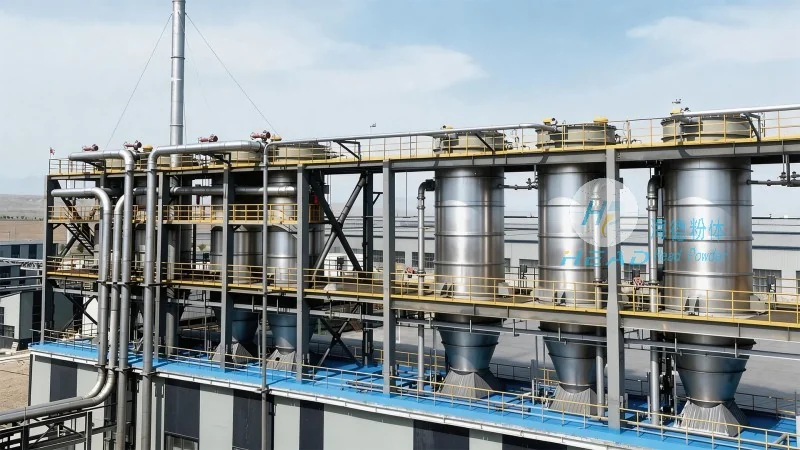
Application Scenarios and Operational Benefits
Coal particle pneumatic conveying systems are applied in multiple operational scenarios, each leveraging the system's unique advantages. In power generation facilities, these systems efficiently transport coal from stockpiles to boilers, ensuring a steady supply of fuel. In mining operations, they facilitate the movement of coal from extraction sites to processing plants, enhancing productivity and safety by minimizing manual handling. The operational benefits include reduced labor costs, improved material handling safety, and the ability to transport materials in a dust-free environment, which is crucial for maintaining air quality and worker health.
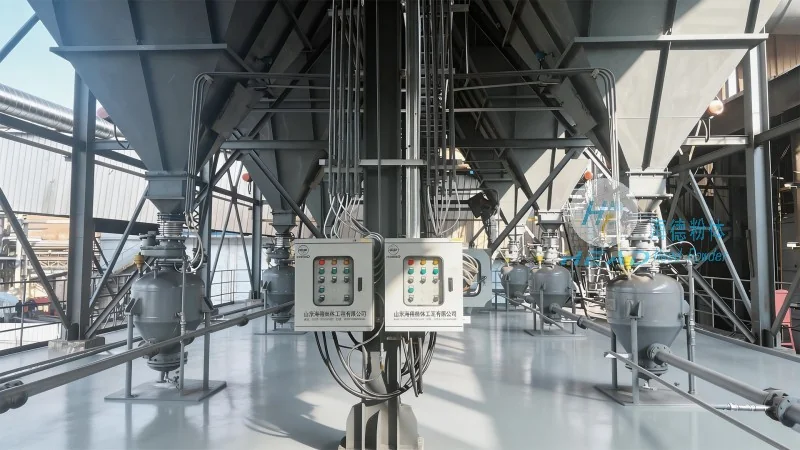
Technical Considerations and System Design
When designing a coal particle pneumatic conveying system, several technical considerations are critical to ensure optimal performance. The selection of the conveying mode (dilute phase or dense phase) is a key decision, as it affects the system's capacity and energy consumption. Dilute phase systems are suitable for short to medium distances and smaller particle sizes, while dense phase systems are preferred for longer distances and larger particles, as they provide higher material density and reduced particle degradation. The system's components, including air compressors, feeders, and pipeline materials, must be chosen to withstand the abrasive nature of coal particles and the corrosive effects of moisture. Proper maintenance and monitoring of these components are essential to prevent system downtime and ensure long-term reliability.
Company Overview: Shandong HeadPowder Engineering Co., Ltd.
Shandong HeadPowder Engineering Co., Ltd., a leading provider of industrial conveying solutions, specializes in the design, manufacturing, and implementation of coal particle pneumatic conveying systems. With a strong focus on innovation and customer satisfaction, the company has established itself as a trusted partner in the energy and mining sectors. HeadPowder's expertise lies in tailoring systems to meet the specific needs of clients, ensuring that each solution is optimized for efficiency, durability, and cost-effectiveness. The company's commitment to quality and technical excellence has enabled it to deliver reliable and high-performance conveying systems that enhance operational productivity and safety for its clients.




