HeadPowder, a leading engineering company based in Shandong, China, specializes in the design and implementation of advanced pneumatic conveying systems tailored for agricultural and food processing applications. This article explores the fundamental principles of sweet potato pneumatic conveying systems and highlights the key characteristics of their operational environments.
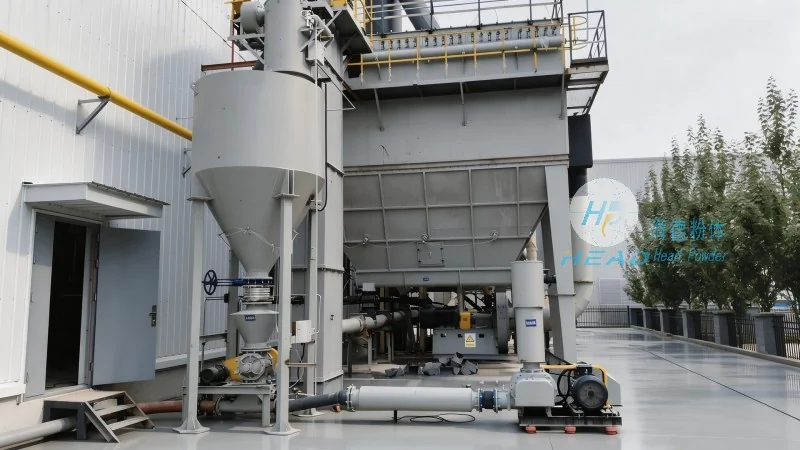
Principles of Sweet Potato Pneumatic Conveying Systems
Sweet potato pneumatic conveying systems operate on the principle of transporting bulk materials, such as sweet potato tubers, using a stream of air. The system typically consists of several core components: a material feeding device, a conveying pipeline, a gas-solid mixing chamber, and a separation unit. The process begins when sweet potatoes are fed into the system, where they are mixed with compressed air or a vacuum-induced airflow. This mixture travels through the pipeline, leveraging the kinetic energy of the air to move the solid particles. The separation unit then separates the sweet potatoes from the air, allowing the product to be discharged at the destination. The efficiency of the system depends on factors like air velocity, material density, and pipeline design, which are optimized to ensure reliable and consistent transport.
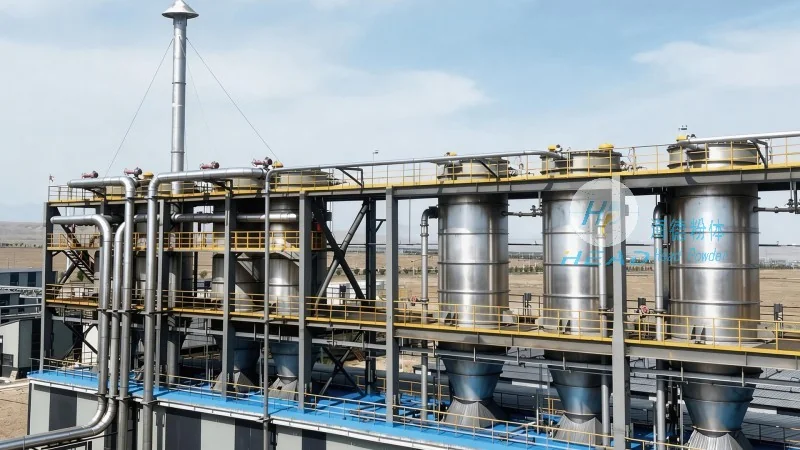
Working Scene Characteristics of Sweet Potato Pneumatic Conveying Systems
The operational environments for sweet potato pneumatic conveying systems are primarily found in agricultural processing facilities, food processing plants, and storage warehouses. These systems are commonly used in scenarios where sweet potatoes are processed after harvest, such as in the production of sweet potato flour, starch, or dried products. The working scene characteristics include high-volume material handling, often requiring the transport of large quantities of sweet potatoes over varying distances. Additionally, the systems must accommodate the physical properties of sweet potatoes, including their moisture content, irregular shapes, and varying sizes, which can affect the conveying efficiency. The design of the system must also consider factors like energy consumption, maintenance requirements, and space constraints within the processing facility. In agricultural settings, these systems are often integrated with other processing equipment, such as washing, peeling, and cutting machines, to form a seamless production line. The working environment may also involve dust control measures, as sweet potatoes can generate fine particles during processing, which the pneumatic system helps to manage by containing the material within the pipeline.
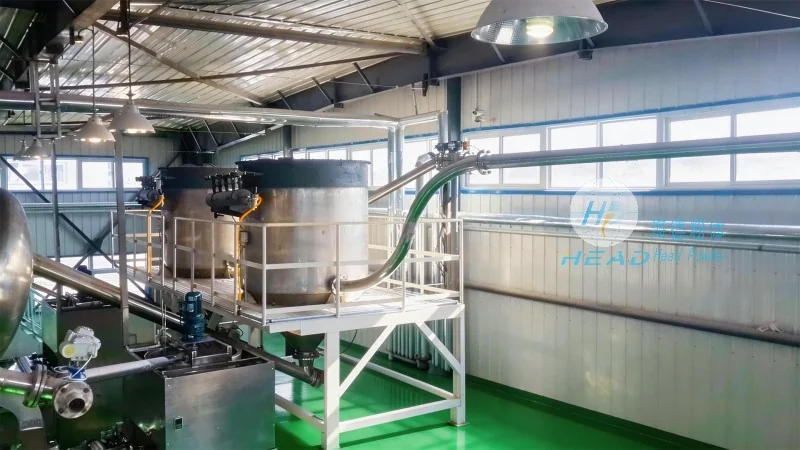
Key Features and Advantages in Practical Applications
When applied in real-world scenarios, sweet potato pneumatic conveying systems exhibit several notable features and advantages. One of the primary benefits is the ability to transport sweet potatoes without direct physical contact, which helps maintain product quality and hygiene. This is particularly important in food processing, where contamination risks must be minimized. The systems also offer flexibility in terms of layout, as the conveying pipelines can be installed in various configurations to suit the spatial constraints of the facility. This adaptability allows for efficient use of available space and the integration of the system with existing processing equipment. Furthermore, pneumatic conveying systems are generally more energy-efficient compared to traditional mechanical conveyors, especially for long-distance transport. The use of compressed air as the driving force reduces the need for moving parts like belts or chains, leading to lower maintenance costs and longer service life. Another advantage is the ability to handle a wide range of material sizes and moisture levels, making the system suitable for diverse sweet potato processing applications. The separation unit in the system effectively removes air from the product, preventing moisture loss and ensuring the quality of the final product. Overall, the practical application of sweet potato pneumatic conveying systems enhances productivity, reduces labor costs, and improves the overall efficiency of sweet potato processing operations.




