HeadPowder, a leading provider in the field, specializes in the design and implementation of pneumatic conveying systems tailored for the paint industry. This article explores the fundamental principles behind paint pneumatic conveying and highlights the key characteristics of its operational scenarios, offering insights into efficient material handling solutions for paint manufacturers and processors.
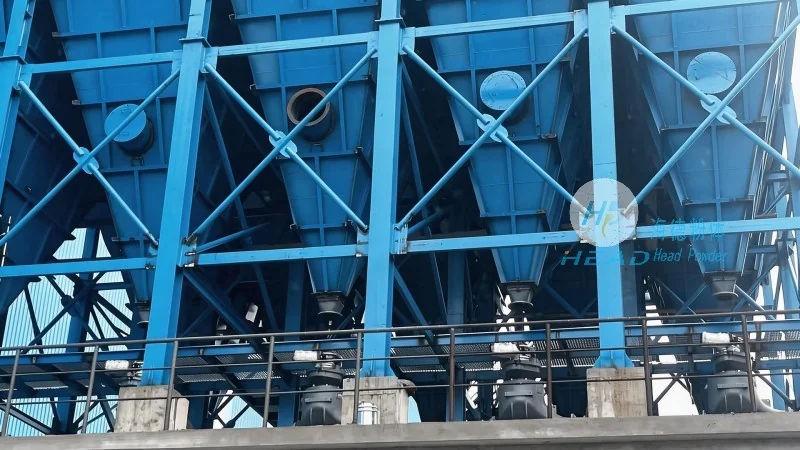
Company Overview: Shandong HeadPowder Engineering Co., Ltd.
HeadPowder, operating under the full name Shandong HeadPowder Engineering Co., Ltd., is headquartered in Shandong, China. The company has established itself as a trusted partner in the engineering and manufacturing of pneumatic conveying equipment, focusing on delivering high-quality solutions that meet the specific demands of the paint industry. With a strong commitment to innovation and customer satisfaction, HeadPowder provides comprehensive services from system design to installation and maintenance, ensuring optimal performance and reliability for its clients.
The Core Principles of Paint Pneumatic Conveying
Pneumatic conveying is a method of transporting bulk materials, including paint powders and pigments, using air as the conveying medium. The process typically involves creating a pressure differential between the material source and the destination, which propels the material through a pipeline. There are two primary types of pneumatic conveying systems: suction (or vacuum) systems and pressure systems. Suction systems operate by creating a vacuum at the material inlet, drawing the material into the pipeline, while pressure systems use compressed air to push the material forward. For paint applications, the choice between these systems depends on factors such as material properties, distance, and system complexity.
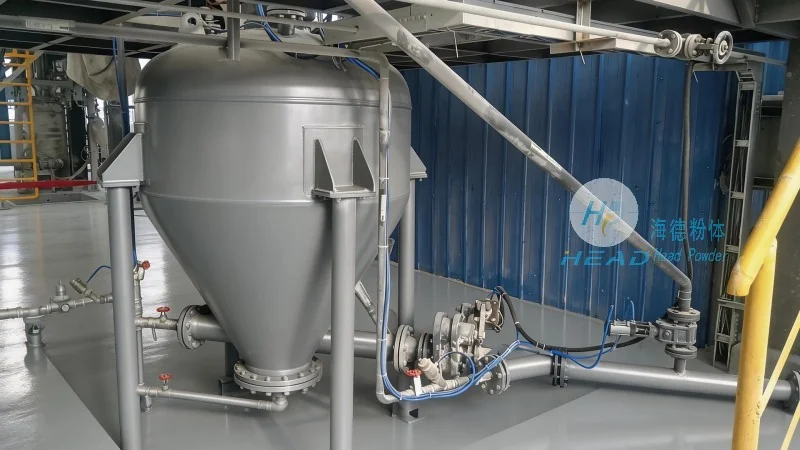
Key Operational Characteristics of Paint Pneumatic Conveying Systems
When considering the operational characteristics of paint pneumatic conveying, several factors play a crucial role in determining system efficiency and effectiveness. First, the material's physical properties, such as particle size, density, and moisture content, significantly impact the conveying process. Paint powders often have fine particles that require specialized equipment to prevent clogging and ensure smooth flow. Second, the system's design must account for the potential for material segregation or agglomeration, which can affect product quality and handling. Advanced control systems and proper equipment selection help mitigate these issues. Third, energy efficiency is a critical consideration, as pneumatic conveying systems can consume substantial power. Modern systems incorporate energy-saving features, such as variable speed drives and optimized air flow, to reduce operational costs while maintaining performance.
Common Application Scenarios in the Paint Industry
Paint pneumatic conveying systems are widely used in various stages of the paint production and processing workflow. One common application is the transfer of raw materials, such as pigments, fillers, and binders, from storage silos to the mixing and grinding units. This process ensures a consistent and controlled supply of materials, minimizing downtime and improving production throughput. Another key scenario involves the transfer of finished paint products from the manufacturing line to storage tanks or packaging areas. Pneumatic conveying allows for safe and efficient movement of liquids or viscous paints, reducing the risk of spills and contamination. Additionally, in industrial painting applications, such as coating large surfaces or components, pneumatic systems may be used to transport paint from bulk storage to spray guns or application equipment, ensuring a steady and controlled flow of material for uniform coating.
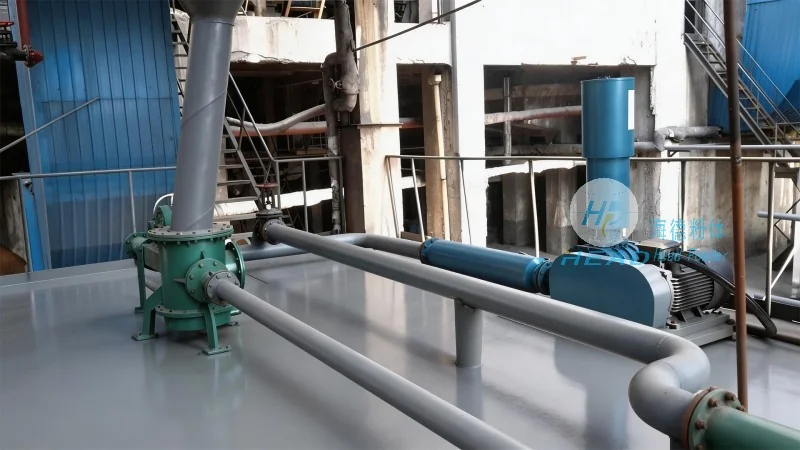
Advantages of Implementing Pneumatic Conveying for Paint Handling
Adopting pneumatic conveying systems for paint handling offers numerous advantages over traditional methods like belt conveyors or manual handling. One of the most significant benefits is the ability to handle fine and abrasive materials without causing damage or degradation. The enclosed pipeline system prevents contamination from external sources, maintaining the purity and quality of the paint. Additionally, pneumatic conveying systems are highly flexible, allowing for easy integration into existing production lines and adaptation to changing production requirements. The automated nature of these systems reduces labor costs and improves safety by minimizing human exposure to hazardous materials. Furthermore, the compact design of pneumatic conveying equipment saves valuable floor space in manufacturing facilities, making it an ideal solution for space-constrained environments.
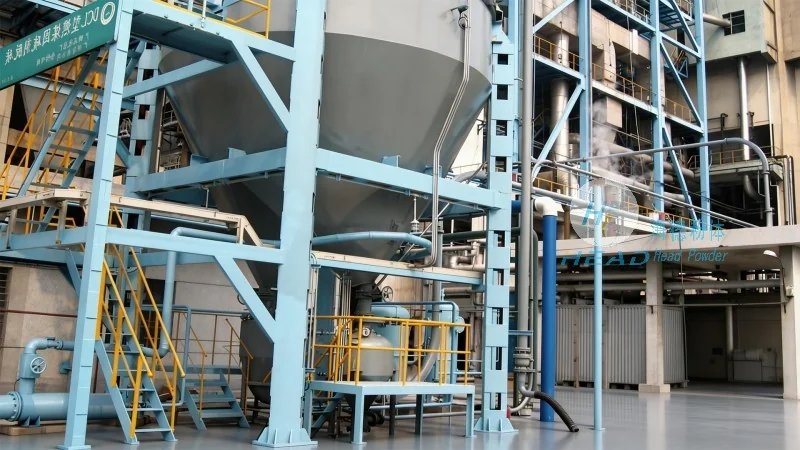
Considerations for Selecting the Right Pneumatic Conveying System
When selecting a pneumatic conveying system for paint applications, several factors must be carefully evaluated to ensure optimal performance and cost-effectiveness. First, the material characteristics, including particle size distribution, moisture content, and flowability, must be thoroughly analyzed to determine the appropriate system type (suction or pressure) and equipment components. For example, systems with high suction capacity are suitable for handling fine powders with low flowability, while pressure systems may be preferred for materials with higher flowability or when longer conveying distances are required. Second, the system's capacity and throughput must align with the production requirements. The design should accommodate peak production loads while maintaining efficiency during normal operations. Third, energy consumption and operational costs are critical considerations. Choosing energy-efficient components, such as variable frequency drives and optimized air compressors, can significantly reduce long-term costs. Finally, the system's reliability and maintenance requirements should be assessed. High-quality components and regular maintenance schedules are essential to minimize downtime and ensure consistent performance.
Conclusion: Enhancing Efficiency with Pneumatic Conveying Solutions
Paint pneumatic conveying is a highly effective and efficient method for handling paint materials in various industrial applications. By understanding the core principles and operational characteristics of these systems, paint manufacturers can optimize their material handling processes, improve product quality, and reduce operational costs. Shandong HeadPowder Engineering Co., Ltd., with its expertise and commitment to quality, provides tailored pneumatic conveying solutions that meet the unique needs of the paint industry. Whether for raw material transfer, finished product handling, or industrial coating applications, pneumatic conveying systems offer a reliable and versatile approach to material transport, contributing to enhanced productivity and competitiveness in the paint sector.




