Biomass pellet material pneumatic conveying equipment is a critical component in modern industrial processes, particularly in the biomass energy and processing sectors. As the demand for efficient and sustainable material handling solutions grows, understanding the working principle and key features of such equipment becomes essential for businesses seeking to optimize their operations. This article provides a detailed overview of the pneumatic conveying system, its operational mechanics, and the distinct advantages it offers in handling biomass pellets.
Working Principle of the Pneumatic Conveying System
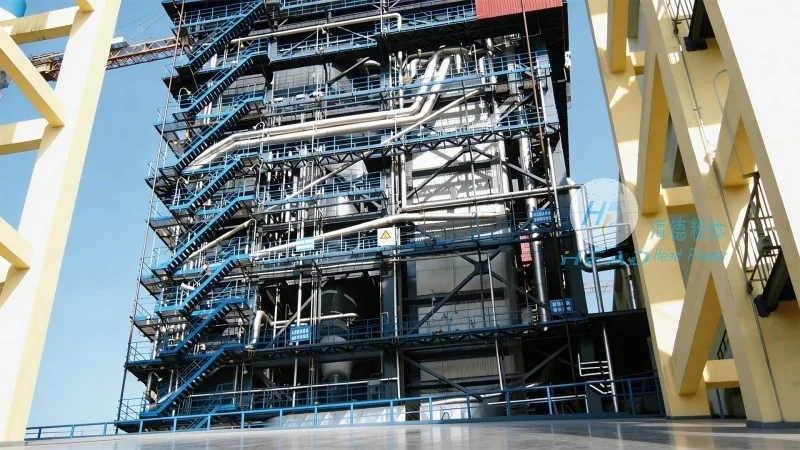
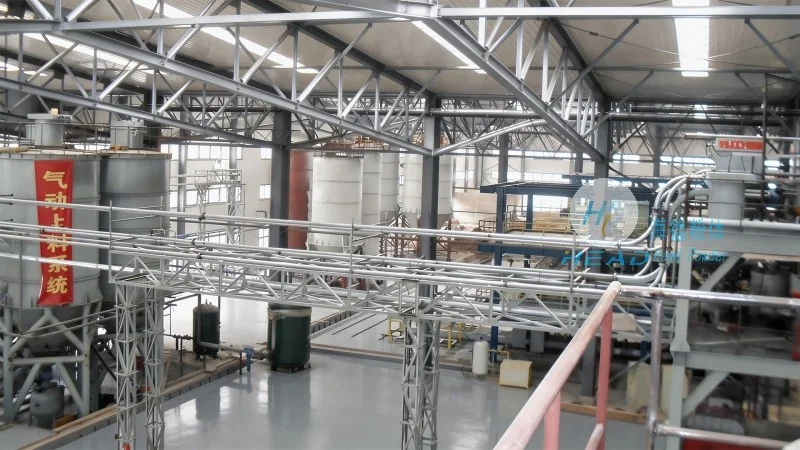
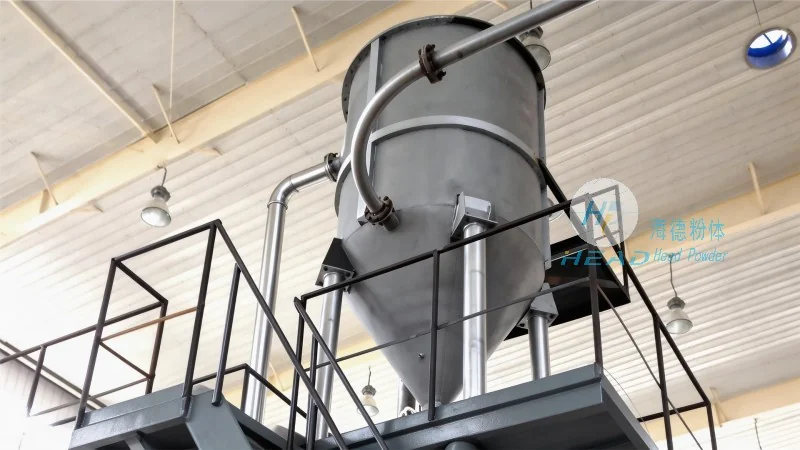
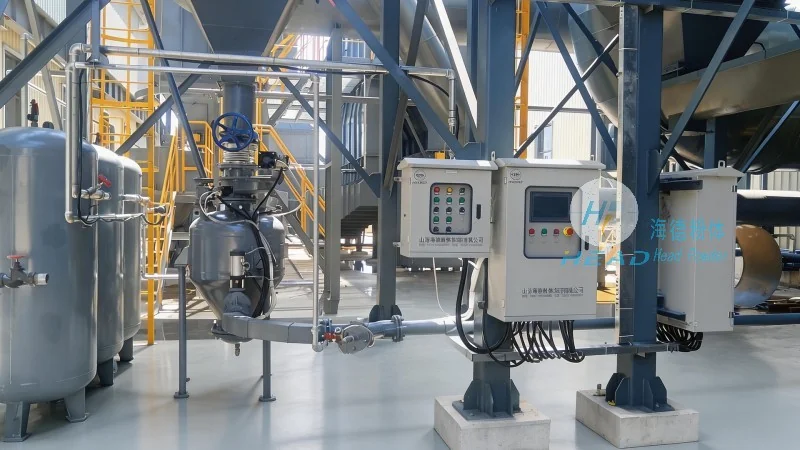
The core of a biomass pellet pneumatic conveying system lies in its ability to transport solid materials, such as biomass pellets, through a pipeline using air or gas as the conveying medium. The process typically involves several key steps. First, the biomass pellets are fed into a hopper or feeder, where they are then introduced into a pipeline. Simultaneously, a fan or blower generates a flow of air within the pipeline, creating a pressure differential that propels the pellets forward. The air velocity is carefully controlled to ensure the pellets remain suspended and move efficiently without clogging or degradation. This air-driven mechanism allows for a continuous, closed-loop system that minimizes material loss and contamination, making it ideal for transporting biomass pellets from storage to processing units or other destinations.
Key Features of the Biomass Pellet Pneumatic Conveying Equipment
Several notable features distinguish biomass pellet pneumatic conveying equipment from traditional methods. Firstly, it offers high efficiency in material transport, with the ability to move large volumes of biomass pellets over significant distances with minimal energy consumption compared to mechanical conveyors. The system is also highly flexible, as it can be easily adapted to different pellet sizes, shapes, and moisture levels, making it suitable for various biomass sources like wood chips, agricultural residues, or dedicated energy crops. Additionally, the equipment is designed with a focus on environmental sustainability, as it reduces dust emissions and prevents material spillage, aligning with green industrial practices. The closed system also enhances safety by containing the material and preventing exposure to the environment, which is crucial for maintaining workplace health and regulatory compliance. Furthermore, the equipment is relatively low maintenance, with fewer moving parts compared to mechanical systems, leading to lower operational costs and longer service life. The adaptability of the system allows for integration with existing processing lines, making it a cost-effective upgrade for existing biomass facilities.
Company Information and Background
Shandong HeadPowder Engineering Co., Ltd., based in Shandong, China, specializes in the design, manufacturing, and supply of advanced pneumatic conveying solutions tailored for biomass and other bulk material handling applications. With a strong commitment to innovation and quality, the company has developed state-of-the-art equipment that meets the evolving needs of the biomass energy industry. HeadPowder's expertise in material flow technology ensures that their pneumatic conveying systems are optimized for performance, reliability, and sustainability, providing clients with efficient and eco-friendly solutions for their material transport challenges. The company's products are widely recognized for their durability, energy efficiency, and adaptability, making them a trusted choice for businesses in the biomass sector.




