Electric lime, also known as hydrated lime, is a widely used industrial material in various sectors such as construction, chemical processing, and environmental treatment. The efficient and reliable transportation of electric lime from production sites to processing facilities is crucial for maintaining production continuity and ensuring product quality. Pneumatic conveying systems have emerged as a preferred solution for handling electric lime due to their ability to transport materials in a dust-free environment, reducing operational risks and enhancing process efficiency. This article delves into the working principle and key features of electric lime material pneumatic conveying lines, highlighting the technological advancements and practical applications in industrial settings.
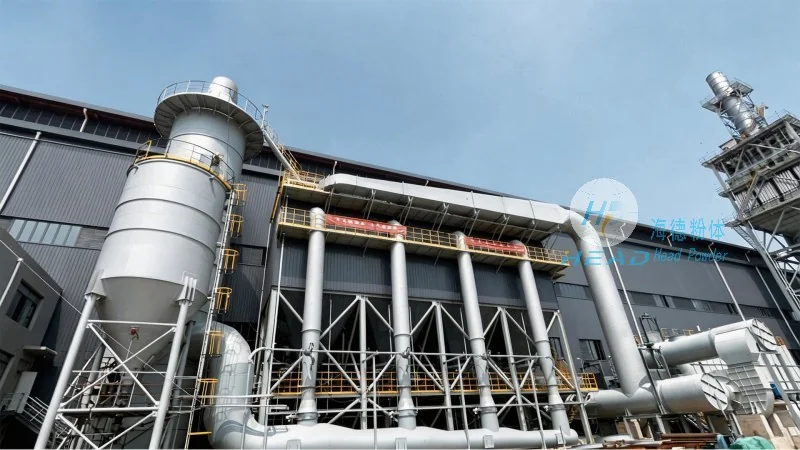
Introduction to Electric Lime Material Pneumatic Conveying Systems
Electric lime, characterized by its fine particles and high reactivity, requires specialized handling methods to prevent caking, dust generation, and material degradation. Pneumatic conveying systems utilize air as the medium to transport electric lime through a network of pipes, offering a closed-loop system that minimizes environmental contamination and ensures safe material transfer. The system typically consists of several core components, including a material feeder, air compressor, conveying pipes, separation devices, and a discharge unit. Each component plays a critical role in the overall operation, ensuring consistent and efficient material movement.
The Working Principle of Electric Lime Pneumatic Conveying Lines
The fundamental principle of pneumatic conveying for electric lime involves the use of compressed air to create a flow that propels the material through the pipeline. There are two primary types of pneumatic conveying systems: positive pressure and negative pressure. Positive pressure systems, also known as pressure conveying, operate by injecting compressed air into the material stream at the inlet, creating a pressure differential that drives the material forward. This method is suitable for long-distance and high-capacity applications, as it can handle larger volumes of material with less pressure drop. Negative pressure systems, or vacuum conveying, create a low-pressure environment at the discharge end, drawing the material into the pipeline using suction. This approach is ideal for short-distance transfers and applications where material is sensitive to pressure changes.
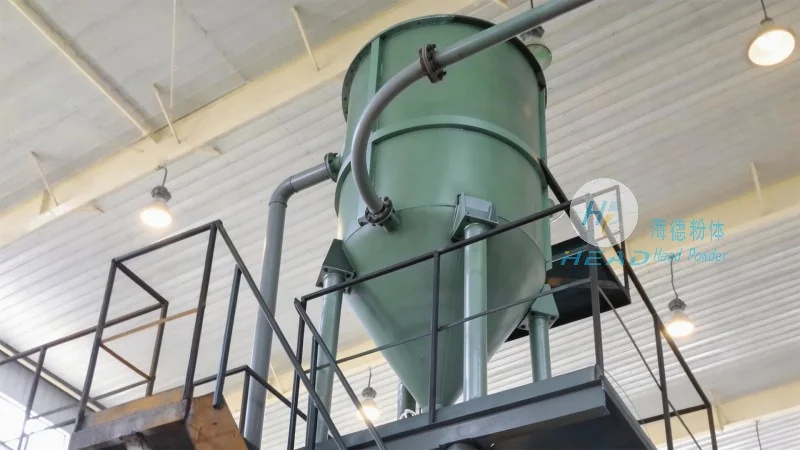
For electric lime, the choice of system depends on factors such as the material's particle size distribution, moisture content, and the required conveying distance. Fine electric lime particles (typically 0.1-1 mm) are prone to agglomeration, making positive pressure systems more effective due to their ability to maintain consistent air flow and prevent blockages. The process begins with the electric lime being fed into a rotary valve or screw feeder, which controls the material flow rate. The feeder then transfers the material into a venturi or air lock, where it is mixed with high-pressure air. The air-lime mixture is then accelerated through the conveying pipes, which are designed with smooth internal surfaces to minimize friction and pressure loss. At the receiving end, a cyclone separator or bag filter separates the electric lime from the air stream, allowing the material to be discharged into a storage bin or processing unit. The air, now free of particles, is either recirculated back to the system or vented to the atmosphere, depending on the system design.
Key Features of Electric Lime Material Pneumatic Conveying Lines
Electric lime pneumatic conveying lines offer several advantages that make them superior to traditional bulk material handling methods. One of the most significant features is the ability to transport electric lime in a dust-free environment, which reduces the risk of inhalation hazards and minimizes contamination of other materials in the facility. This is particularly important in industries where product purity is critical, such as pharmaceuticals or food processing. Additionally, pneumatic conveying systems provide high conveying efficiency, with the ability to transport electric lime at speeds of up to 20-30 meters per second, depending on the system design and material properties.
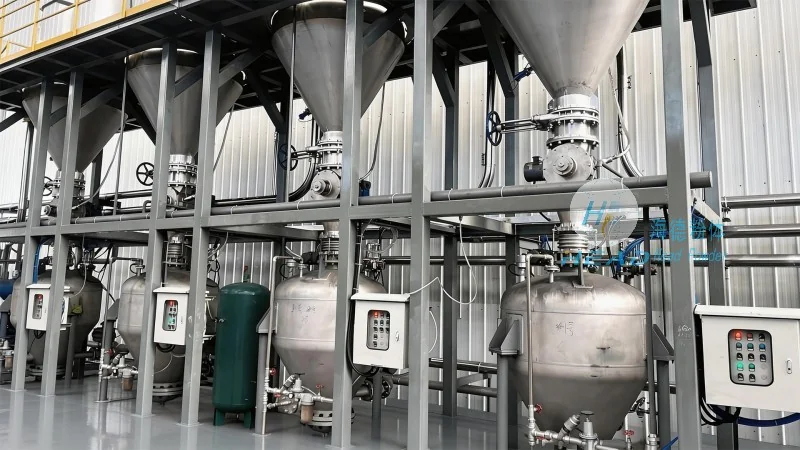
Another key feature is the flexibility and scalability of the system. Pneumatic conveying lines can be easily modified or expanded to accommodate changes in production volume or facility layout. The modular design allows for the addition of new components, such as longer pipes or additional separation units, without disrupting the entire system. This adaptability makes the system suitable for both small-scale and large-scale industrial applications. Furthermore, the closed-loop operation of pneumatic conveying systems reduces energy consumption compared to traditional methods like bucket elevators or belt conveyors, as the air is recirculated and reused, minimizing the need for continuous air supply.
From a maintenance perspective, electric lime pneumatic conveying lines are relatively low-maintenance compared to other bulk handling equipment. The use of smooth, corrosion-resistant materials in the pipeline and components reduces the risk of material buildup and wear. Regular cleaning and inspection of the separation devices and air filters are the primary maintenance tasks, which can be performed during scheduled downtime to minimize production interruptions. The system's design also minimizes the need for manual handling of electric lime, reducing labor costs and improving workplace safety. This is achieved through automated feeding and discharge processes, which eliminate the need for workers to handle bulk material directly.
Application Examples and Industrial Benefits
Electric lime material pneumatic conveying lines are widely used in various industrial applications, including the production of cement, steel, and chemical products. In the cement industry, electric lime is used as a raw material or additive in the production of clinker, and pneumatic conveying ensures a consistent supply of material to the kilns. The high efficiency of the system reduces downtime and improves the overall productivity of the cement plant. In the chemical industry, electric lime is used in the production of calcium compounds, and the dust-free operation of the system prevents contamination of sensitive chemical processes. The environmental benefits of pneumatic conveying are also significant, as it reduces the emission of dust and particulate matter into the atmosphere, contributing to better air quality in industrial areas.
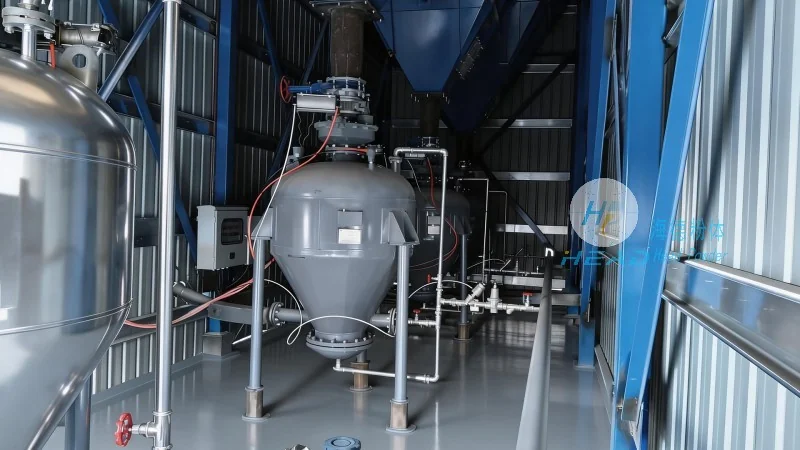
HeadPowder, a leading manufacturer of industrial material handling equipment, specializes in designing and manufacturing electric lime pneumatic conveying systems tailored to the specific needs of their clients. With years of experience in the industry, HeadPowder has developed advanced technologies that enhance the performance and reliability of pneumatic conveying lines. The company's products are designed to handle the unique challenges of electric lime, such as its fine particle size and high reactivity, ensuring efficient and safe material transport. HeadPowder's commitment to quality and innovation has made them a trusted partner for many industrial companies seeking reliable material handling solutions.
The address of Shandong HeadPowder Engineering Co., Ltd. is in Shandong, China, where the company's research and development team continuously works on improving their products to meet the evolving needs of the industry. By combining advanced engineering with practical application, HeadPowder provides customized pneumatic conveying solutions that enhance operational efficiency and reduce costs for their clients. The company's focus on customer satisfaction and technical support ensures that clients receive the best possible service and support throughout the lifecycle of their equipment.




