Phosphate iron lithium (LFP) is a critical component in modern battery technology, widely used in electric vehicles, energy storage systems, and portable electronics due to its high safety, long cycle life, and stable performance. The efficient handling of LFP materials throughout the production and processing stages is essential for optimizing manufacturing efficiency and ensuring product quality. This article explores the working principle and key features of specialized material handling equipment designed for LFP materials, highlighting how these systems enhance operational performance and safety in industrial settings.
Working Principle of Phosphate Iron Lithium Material Handling Equipment
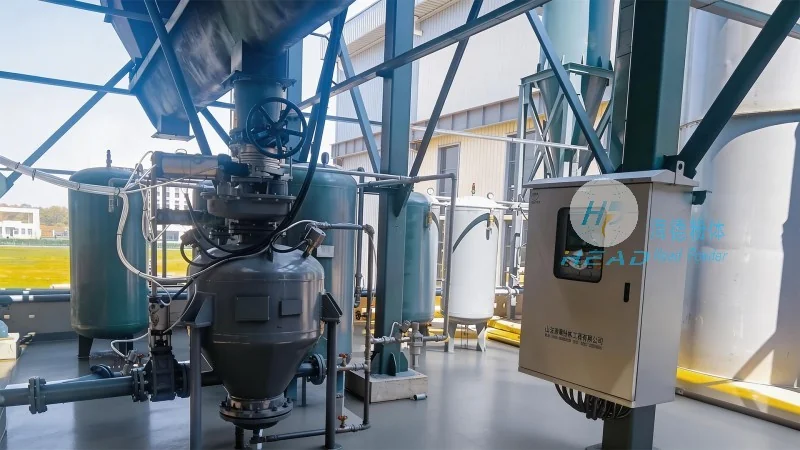
The material handling equipment for phosphate iron lithium materials typically operates through a combination of mechanical, pneumatic, and automated systems tailored to the unique properties of LFP powders. The core working principle involves several sequential steps: material intake, conveying, processing, and storage. At the intake stage, the equipment uses specialized feeders or hoppers to collect LFP powders from raw material bins or production lines. This is often followed by a conveying system, such as screw conveyors, belt conveyors, or pneumatic ducts, which transport the powders to processing units. The conveying mechanisms are designed to minimize material degradation and prevent dust generation, which is crucial for maintaining the purity and quality of LFP materials. Processing stages may include screening, mixing, or packaging operations, where the equipment ensures uniform material distribution and compliance with quality standards. Finally, the processed LFP materials are transferred to storage silos or packaging stations for further use or shipment. The entire process is often controlled by a centralized system, integrating sensors and automation to monitor flow rates, temperature, and material consistency in real-time, ensuring optimal performance and minimizing human error.
Key Features of Phosphate Iron Lithium Material Handling Equipment
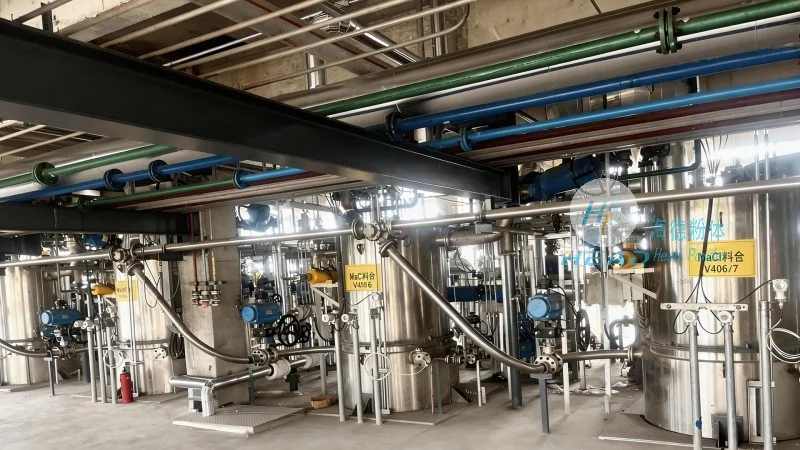
Specialized material handling equipment for phosphate iron lithium materials is engineered with several distinct features that address the specific challenges of handling fine powders. One of the primary features is the use of dust-proof and explosion-proof designs, as LFP powders are flammable and can pose safety risks in industrial environments. The equipment incorporates sealed systems, explosion venting mechanisms, and advanced filtration to prevent dust accumulation and mitigate fire hazards. Another key feature is the high precision and efficiency of material flow control. Advanced sensors and control systems enable precise regulation of material feed rates, ensuring consistent product quality and reducing waste. The equipment also offers flexibility in handling different particle sizes and moisture content, adapting to varying production requirements. Additionally, many systems are designed for easy maintenance and cleaning, with quick-access panels and automated cleaning cycles to minimize downtime and maintain hygiene standards. Customization is another important feature, as manufacturers can tailor equipment dimensions, conveyor capacity, and processing capabilities to meet specific customer needs, whether for small-scale laboratory use or large-scale industrial production.
Technical Specifications and Application Scenarios
The technical specifications of phosphate iron lithium material handling equipment vary based on the scale of operation and specific application requirements. For small-scale laboratory or research settings, equipment may include compact feeders and small-batch conveyors with capacities ranging from 0.5 to 5 tons per hour. These systems are typically equipped with digital displays and basic control interfaces for monitoring and adjustment. In contrast, large-scale industrial applications, such as battery cell manufacturing plants, require high-capacity systems with conveyor capacities exceeding 50 tons per hour. These systems often integrate multiple conveyors, processing units, and storage silos, forming a comprehensive material handling network. The equipment may also include advanced features like temperature control, moisture regulation, and real-time data logging for quality assurance. Application scenarios include raw material handling in battery production lines, intermediate processing for mixing and blending, and final packaging for distribution. The equipment is designed to operate in environments where material purity and safety are paramount, making it suitable for industries such as electric vehicle manufacturing, renewable energy storage, and consumer electronics.
Company Profile and Service Commitment
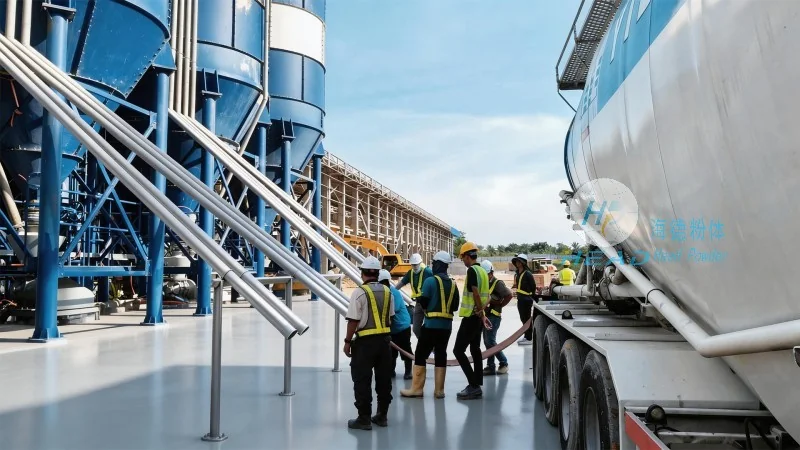
Shandong HeadPowder Engineering Co., Ltd., a leading manufacturer in the field of material handling equipment, specializes in providing customized solutions for phosphate iron lithium and other fine powders. With a strong focus on innovation and quality, the company has developed advanced systems that meet the stringent requirements of modern battery manufacturing. HeadPowder Engineering's team of engineers and technicians leverages years of experience in powder processing technology to design equipment that enhances efficiency, safety, and product quality. The company adheres to international standards and employs rigorous quality control measures throughout the manufacturing process, ensuring that each system meets the highest performance benchmarks. HeadPowder Engineering offers comprehensive after-sales support, including installation, training, and maintenance services, to help customers optimize their operations and maximize the return on investment. The company's commitment to customer satisfaction and technological advancement has established it as a trusted partner in the battery and material handling industries, serving clients both domestically and internationally. With a base in Shandong, China, HeadPowder Engineering continues to lead the way in developing cutting-edge material handling solutions for the evolving needs of the battery industry.




