Calcium chloride is a widely utilized chemical compound across various industrial sectors, and the efficient handling and transportation of this material are pivotal for maintaining operational efficiency and safety standards. This article delves into the working principles and key characteristics of calcium chloride material handling systems, offering insights into how these processes are executed and the advantages they provide in industrial applications.
Understanding the Working Principle of Calcium Chloride Material Handling
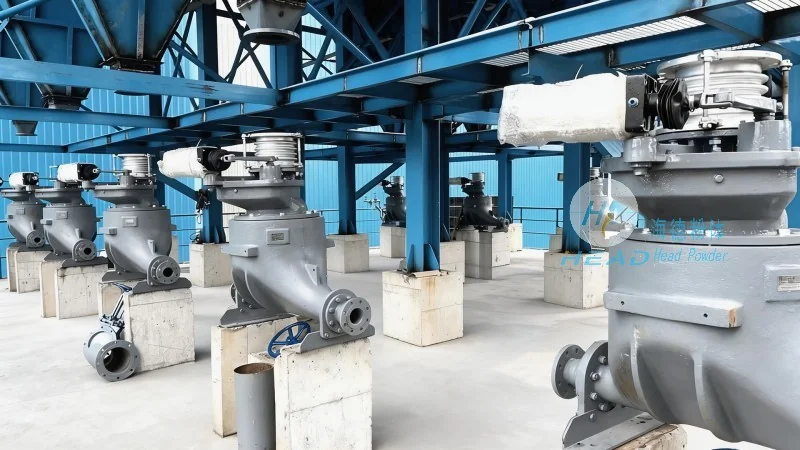
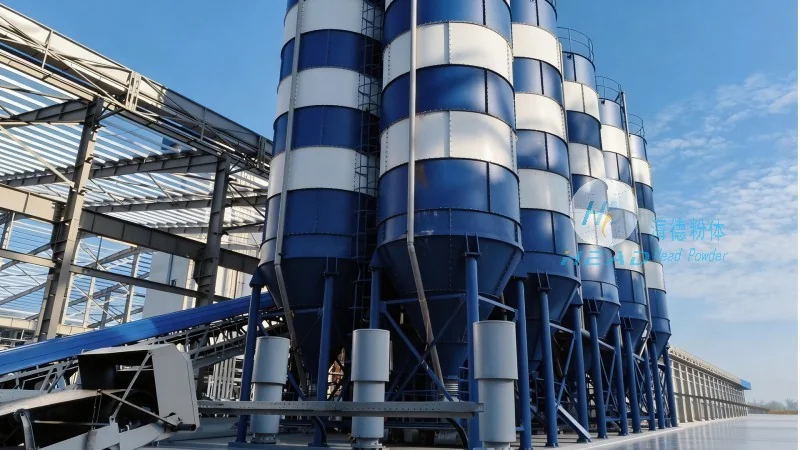
The working principle of calcium chloride material handling encompasses several critical steps that ensure the safe and efficient movement of the material from storage to processing or application points. Typically, the process initiates with the storage of calcium chloride in bulk, often within silos or storage tanks. Subsequently, the material is transferred using specialized equipment such as conveyor belts, pneumatic conveyors, or mechanical feeders. The selection of equipment is contingent upon factors like the physical properties of calcium chloride, including its granular or powdered form, and the required handling capacity.
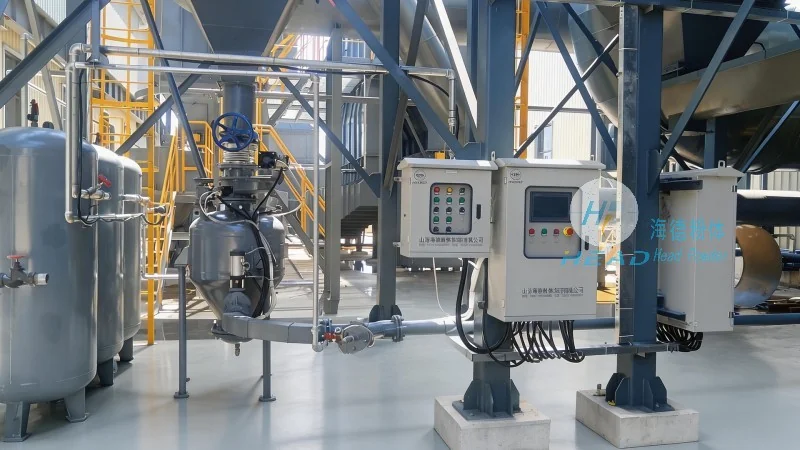
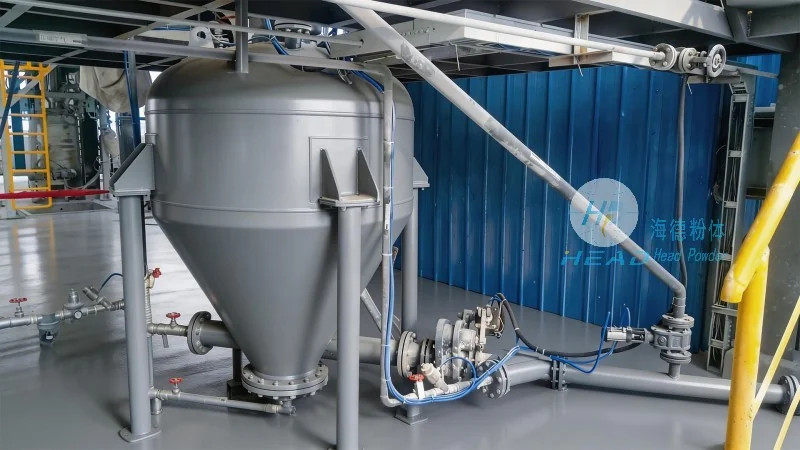
Conveyor systems are commonly employed for calcium chloride material handling due to their capacity to transport large volumes of material over short to medium distances. These systems can be configured as belt conveyors, screw conveyors, or bucket elevators, each tailored to distinct operational needs. For instance, belt conveyors are ideal for continuous flow transportation of bulk calcium chloride, while screw conveyors are effective for vertical or inclined movement. Pneumatic conveyors, on the other hand, utilize air pressure to move material through pipelines, which is particularly advantageous for handling fine powders or when a dust-free environment is required.
Key Characteristics of Calcium Chloride Material Handling Systems
Several characteristics define effective calcium chloride material handling systems, contributing to their reliability and performance in industrial settings. One primary characteristic is the ability to manage the material's hygroscopic nature. Calcium chloride readily absorbs moisture from the air, which can impact its handling properties and storage stability. Consequently, material handling systems often incorporate measures to minimize moisture exposure, such as sealed containers or enclosed conveyor systems. This helps maintain the material's quality and prevents caking or clumping, which could impede the handling process.
Another crucial characteristic is the system's adaptability to varying operational conditions. Calcium chloride is utilized in diverse industries, including construction, de-icing, and chemical manufacturing, each with unique handling requirements. The material handling systems must be flexible enough to accommodate these differing needs, whether it's handling large quantities for construction projects or smaller batches for laboratory applications. This adaptability ensures seamless integration into various production lines without significant modifications.
Efficiency and safety are also critical characteristics of calcium chloride material handling. The systems are designed to minimize downtime and maximize throughput, which is essential for meeting production demands. Additionally, safety features are integrated to protect operators and prevent accidents, such as proper ventilation to control dust exposure and emergency stop mechanisms. These characteristics ensure that the material handling process is not only efficient but also safe for personnel involved.
Applications and Benefits of Calcium Chloride Material Handling
The effective handling of calcium chloride has numerous applications across different industries, and the benefits of well-designed material handling systems are substantial. In the construction industry, calcium chloride is used as an accelerator in concrete, and efficient material handling ensures a consistent supply of the compound, leading to improved concrete quality and accelerated construction timelines. In the de-icing industry, calcium chloride is employed to melt snow and ice on roads and sidewalks, and reliable material handling systems help sustain the supply of the de-icing agent during winter months, ensuring safer road conditions.
For chemical manufacturers, calcium chloride serves as a drying agent or in the production of other chemicals, and efficient material handling reduces the risk of contamination and enhances the overall production process. The benefits of proper material handling extend beyond operational efficiency to include cost savings and environmental compliance. By minimizing material loss and ensuring proper storage, companies can reduce waste and comply with environmental regulations, contributing to sustainable industrial practices.
Conclusion
In conclusion, the working principle and characteristics of calcium chloride material handling are essential for optimizing industrial processes and ensuring the safe and efficient use of this versatile chemical. The systems rely on specialized equipment and careful design to handle the material's properties, and their adaptability and efficiency make them valuable in various applications. As industries continue to rely on calcium chloride for their operations, the importance of effective material handling will only grow, highlighting the need for well-designed and maintained systems.




