HeadPowder, a leading manufacturer based in Shandong, China, specializes in the design and production of advanced powder conveying systems. This article delves into the working principle and key features of paper sheet powder conveying lines, offering a comprehensive overview for industry professionals and potential clients.
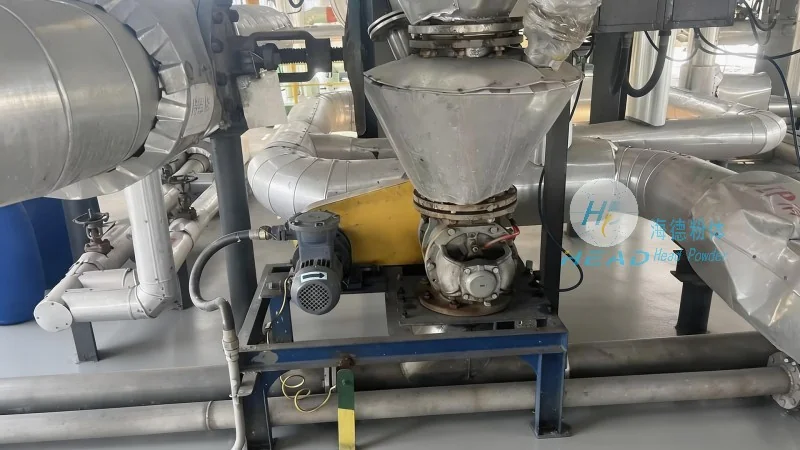
Understanding the Working Principle of Paper Sheet Powder Conveying Lines
The core function of a paper sheet powder conveying line is to transport bulk powders, such as those used in the paper manufacturing industry, from one location to another with precision and efficiency. The system typically comprises several interconnected components that work in tandem to ensure smooth operation. At its heart, the conveying line utilizes a combination of mechanical and pneumatic technologies to move powder through a network of pipes or ducts.
One of the primary mechanisms employed is the use of air pressure or vacuum to create a flow of powder. This method, known as pneumatic conveying, is particularly effective for handling fine powders and paper-related materials. The process begins with the powder being fed into a hopper or storage container. From there, it is transferred into a conveying line, where it is propelled by compressed air or a vacuum system. The air flows through the line, carrying the powder particles along with it. The design of the line, including the angle of the pipes and the placement of bends, is critical to maintaining a consistent flow and preventing blockages or material degradation.
Another important component in the system is the control unit, which regulates the air pressure, flow rate, and direction of the conveying process. This unit ensures that the powder is transported at the optimal speed and pressure, minimizing energy consumption and maximizing efficiency. Additionally, the system may include filters and separators to remove any moisture or contaminants from the powder, ensuring that the final product meets quality standards.
Key Features of Paper Sheet Powder Conveying Lines
HeadPowder's paper sheet powder conveying lines are engineered with several distinctive features that set them apart from traditional conveying systems. These features are designed to enhance performance, reliability, and user experience, making them ideal for demanding industrial applications.
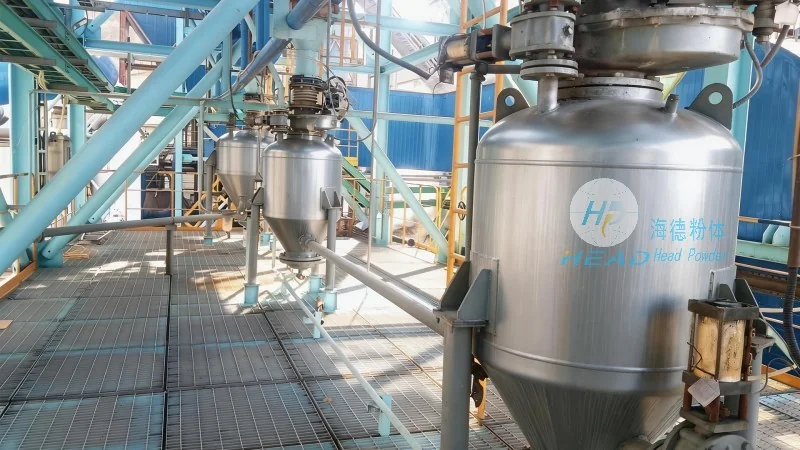
Firstly, the lines are constructed from high-quality materials, such as stainless steel or corrosion-resistant alloys, which are resistant to the abrasive nature of paper powders and other industrial materials. This durability ensures a long service life and reduces maintenance costs over time. The components are also designed with smooth surfaces and minimal dead zones, which helps prevent the accumulation of powder and reduces the risk of clogging.
Secondly, the conveying lines are equipped with advanced control systems that allow for precise regulation of the conveying process. These systems can be integrated with existing production lines, enabling seamless automation and real-time monitoring of the powder flow. The control units are user-friendly and can be customized to meet specific operational requirements, such as varying flow rates or pressure levels.
Thirdly, the lines are designed for flexibility and adaptability. They can be configured in various configurations, including straight lines, loops, and vertical lifts, to accommodate different spatial constraints and production layouts. This flexibility allows for easy integration into existing facilities or new installations, minimizing downtime and installation costs.
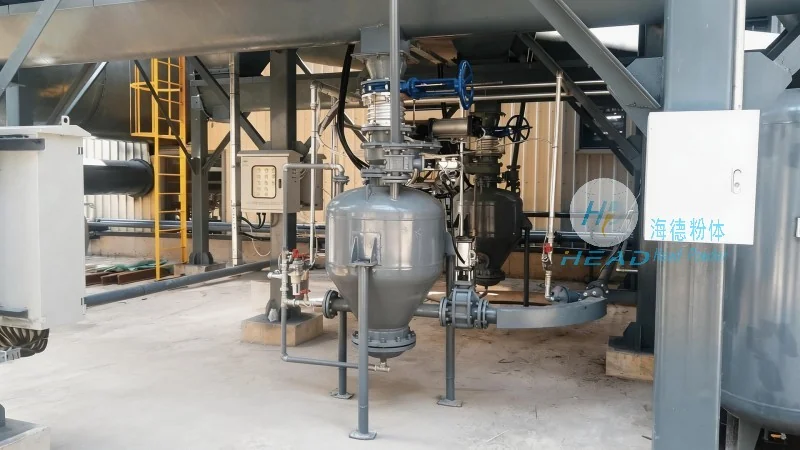
Furthermore, the conveying lines are equipped with safety features that comply with international standards. These include pressure relief valves, emergency shut-off mechanisms, and monitoring systems that alert operators to any abnormalities in the system. The safety features are designed to protect both the equipment and the personnel operating the system, ensuring a secure working environment.
Benefits of Using Paper Sheet Powder Conveying Lines
The implementation of paper sheet powder conveying lines offers numerous benefits for businesses operating in the paper and related industries. These benefits extend beyond mere efficiency and include cost savings, improved product quality, and enhanced operational safety.
One of the most significant advantages is the reduction in labor costs and manual handling. By automating the powder conveying process, companies can minimize the need for manual labor, which not only reduces labor expenses but also minimizes the risk of workplace injuries associated with manual handling of bulk materials.
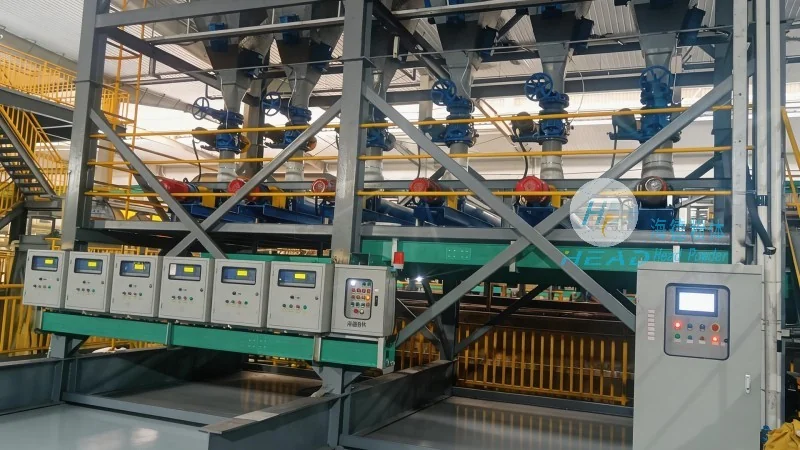
Another key benefit is the improvement in product quality and consistency. The automated system ensures that the powder is transported in a controlled manner, preventing contamination and maintaining the integrity of the material. This results in a more consistent product output, which is crucial for meeting customer specifications and regulatory requirements.
Additionally, the conveying lines contribute to energy efficiency and cost savings. By optimizing the air pressure and flow rate, the system minimizes energy consumption, leading to lower operational costs. The reduced need for maintenance due to the durable construction of the components also contributes to long-term cost savings.
Finally, the use of advanced technology in the conveying lines enhances operational reliability and reduces downtime. The integrated control systems and monitoring features allow for early detection of potential issues, enabling prompt maintenance and minimizing the risk of system failures. This reliability is essential for maintaining production schedules and meeting delivery deadlines.
Conclusion
HeadPowder's paper sheet powder conveying lines represent a sophisticated solution for the efficient and reliable transportation of bulk powders in the paper industry. By understanding the working principle and leveraging the key features of these systems, businesses can enhance their operational efficiency, improve product quality, and reduce costs. With a commitment to quality and innovation, HeadPowder continues to provide cutting-edge solutions that meet the evolving needs of the industry.




