

Working Principle and Features of Fermented Grain Powder Pneumatic Conveying Systems
Fermented grain powder, a vital ingredient in the production of traditional alcoholic beverages, necessitates efficient and reliable handling solutions to maintain quality and consistency. The pneumatic conveying line is a sophisticated system engineered to transport these fine powders from one location to another within a production facility. This article delves into the working principle and key characteristics of such systems, emphasizing their importance in modern food and beverage processing.
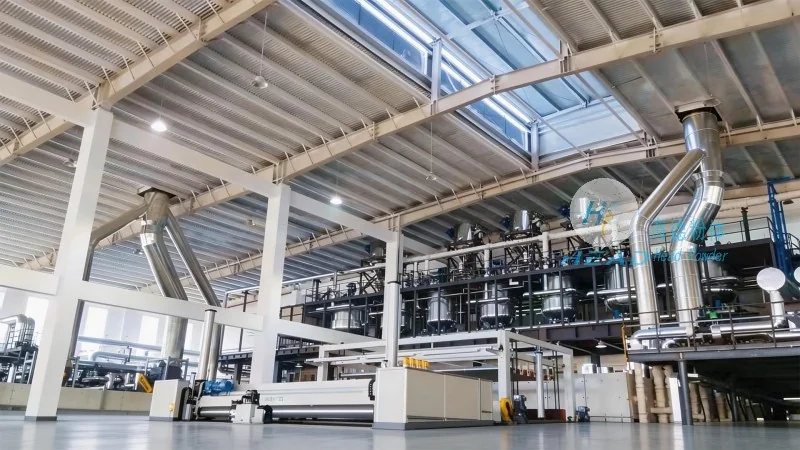
Working Principle of Fermented Grain Powder Pneumatic Conveying Lines
The fundamental operation of a pneumatic conveying system lies in transporting bulk materials through a pipeline using air or gas. For fermented grain powder, the system typically functions under positive pressure, where air is forced through the pipeline to move the powder. The process initiates with the powder being fed into a hopper or feeder, which then introduces the material into the conveying line. As the air flows through the pipeline, it creates a flow of the powder, moving it to the destination point such as a silo, storage tank, or processing unit. The system may incorporate components like rotary valves, filters, and pressure vessels to control the flow and ensure the powder is conveyed without degradation. The air pressure and flow rate are meticulously regulated to maintain optimal conditions for the delicate nature of fermented grain powder, preventing clumping or degradation during transport.
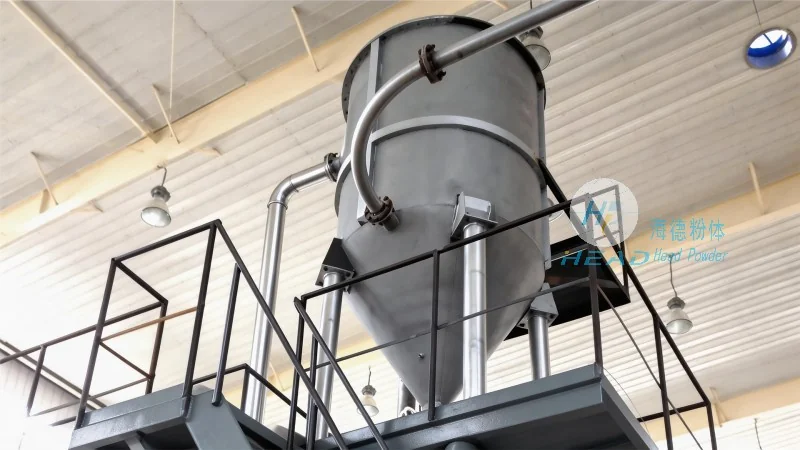
Key Features of Fermented Grain Powder Pneumatic Conveying Systems
Several critical features distinguish high-quality pneumatic conveying systems for fermented grain powder. Firstly, the system must be designed to handle fine, abrasive powders without causing wear or damage to components. This often involves the use of corrosion-resistant materials like stainless steel for the pipeline and hopper to ensure durability and maintain product purity. Secondly, the system should incorporate advanced control mechanisms to regulate air pressure and flow, ensuring consistent and reliable transport. This includes features like variable frequency drives (VFDs) that adjust the air flow based on the amount of powder being conveyed, optimizing energy usage and preventing overpressurization. Thirdly, the system must include filtration and cleaning capabilities to maintain air quality and prevent contamination of the product. This is essential in food processing environments where hygiene and safety are paramount. Additionally, the system may feature monitoring and alarm systems to detect any issues such as blockages or pressure drops, allowing for immediate intervention and minimizing downtime. These features collectively ensure the system operates efficiently, safely, and reliably, meeting the stringent requirements of the food and beverage industry.
Benefits of Using Pneumatic Conveying for Fermented Grain Powder
Implementing a pneumatic conveying line for fermented grain powder offers numerous benefits for manufacturers. One of the primary advantages is the ability to transport the powder in a closed system, which prevents contamination from external sources and maintains product integrity. This is particularly important for fermented grain powder, which is sensitive to moisture and microbial contamination. The closed system also reduces dust emissions, improving workplace safety and compliance with environmental regulations. Another significant benefit is the system's flexibility in terms of layout and integration with existing production equipment. Pneumatic conveying lines can be customized to fit the specific space constraints and operational needs of a facility, allowing for seamless integration with other processing units. This flexibility also enables easy expansion or modification of the system as production needs change. Furthermore, the system's efficiency in terms of energy consumption and operational costs is a key advantage. By optimizing air flow and pressure, the system minimizes energy waste, leading to lower operational expenses over time. The reliability of the system, with its minimal moving parts and reduced maintenance requirements, also contributes to lower downtime and increased productivity. Overall, the use of pneumatic conveying for fermented grain powder enhances operational efficiency, product quality, and safety in the production process.
Conclusion
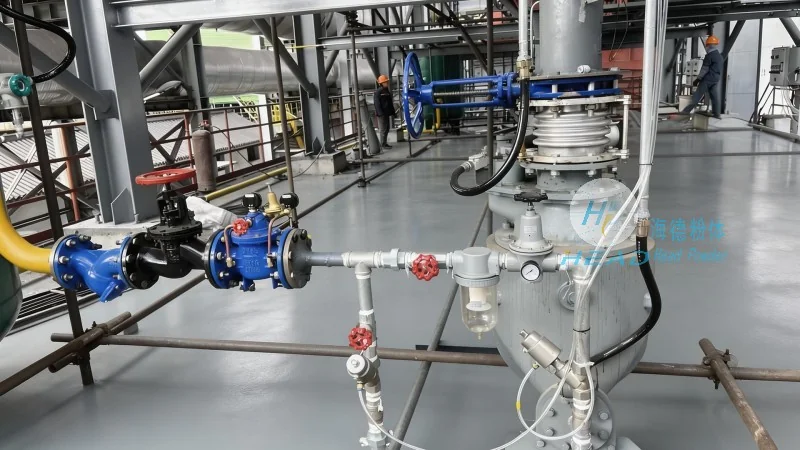
In conclusion, the pneumatic conveying line is an essential technology for the efficient and safe handling of fermented grain powder in the food and beverage industry. Understanding its working principle and key features is crucial for selecting and implementing the right system for specific production needs. The benefits of using such systems, including improved product quality, enhanced safety, and operational efficiency, make them a valuable investment for manufacturers. By leveraging the expertise of companies like Shandong HeadPowder Engineering Co., Ltd., producers can ensure they have reliable and effective conveying solutions that meet the highest standards of the industry.