

Working Principle and Features of Cement Pneumatic Conveying Systems
HeadPowder, a leading manufacturer based in Shandong, China, specializes in the design, production, and installation of cement pneumatic conveying systems. These systems are crucial for efficiently transporting bulk materials like cement, fly ash, and other powders in industrial settings. Understanding the working principle and key features of such systems is essential for optimizing material handling processes and ensuring operational efficiency.
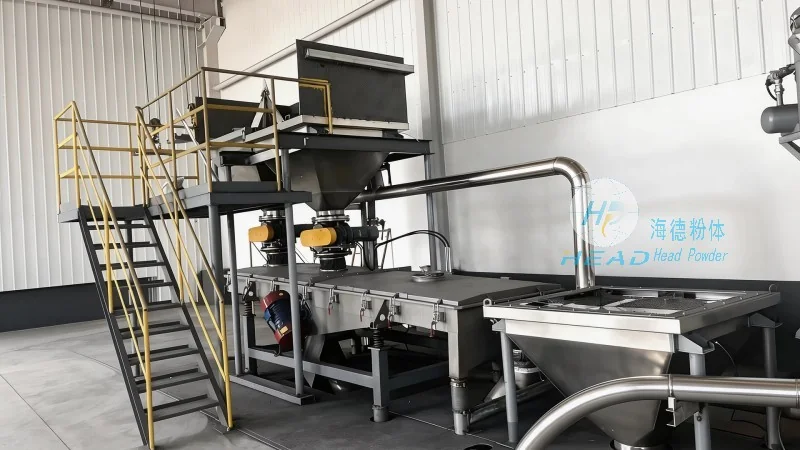
The Working Principle of Cement Pneumatic Conveying Systems
Cement pneumatic conveying systems operate by using air as the medium to transport bulk materials. The core mechanism involves the creation of a flow of air through a pipeline, which carries the powder particles along with it. There are two primary types of pneumatic conveying systems: positive pressure and negative pressure systems. Positive pressure systems generate air pressure at the material inlet, pushing the material through the pipeline. In contrast, negative pressure systems create a vacuum at the material outlet, drawing the material into the pipeline. The choice between these systems depends on factors such as the distance of transport, the material's properties, and the desired level of control over the material flow.
Within a positive pressure system, the process typically begins with the material being fed into a hopper or feeder. From there, it is mixed with air in a venturi or a rotary airlock, forming a dense phase or dilute phase flow. The dense phase flow involves a higher concentration of material in the air stream, which is suitable for short-distance transport and when the material is prone to caking or segregation. The dilute phase flow, on the other hand, has a lower material concentration and is ideal for longer distances and when the material is free-flowing. The air velocity in the pipeline must be carefully controlled to prevent material deposition or blockages, ensuring a smooth and continuous transport process.
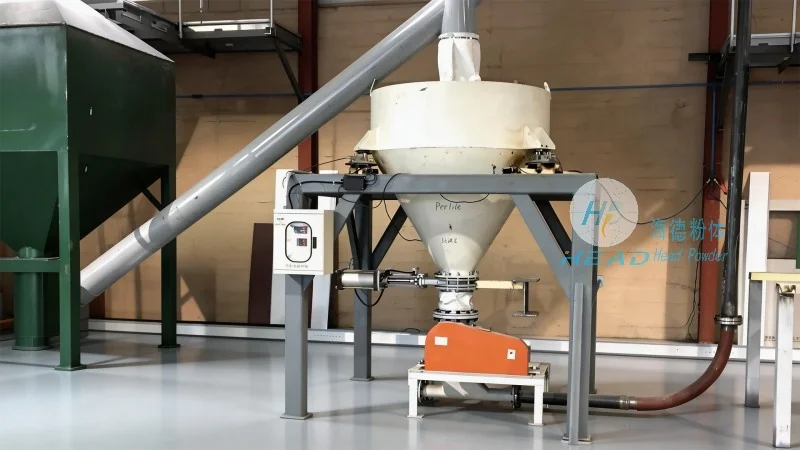
Key Features of Cement Pneumatic Conveying Systems
Cement pneumatic conveying systems offer several advantages that make them a preferred choice in many industrial applications. One of the most significant features is their high efficiency in material transport. Unlike traditional methods like belt conveyors or bucket elevators, pneumatic systems can transport materials over long distances with minimal energy consumption and without the need for multiple transfer points. This reduces the overall footprint of the material handling system and minimizes the risk of material spillage or contamination.
Another notable feature is the flexibility and adaptability of these systems. Pneumatic conveying lines can be easily reconfigured or expanded to accommodate changes in production needs or facility layouts. The modular design allows for the addition or removal of sections of the pipeline, making it suitable for both new installations and retrofitting existing facilities. This flexibility also enables the integration of multiple material sources or destinations within a single system, enhancing operational efficiency.
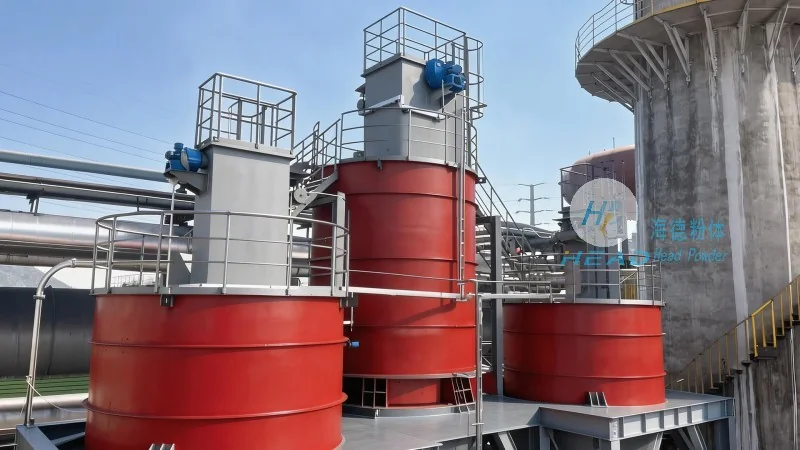
Environmental considerations are also a key feature of modern cement pneumatic conveying systems. These systems are designed to minimize dust emissions and ensure compliance with environmental regulations. Advanced filtration systems are often incorporated into the design to capture and recycle fine particles, reducing the environmental impact of the material handling process. Additionally, the enclosed nature of the pipeline prevents dust from escaping into the workplace, creating a safer and healthier environment for operators.
Operational Advantages and Considerations
Operational advantages of cement pneumatic conveying systems include improved process control and reduced labor costs. The systems allow for precise control over the flow rate and pressure, enabling better management of the material handling process. This level of control is particularly important in applications where the quality of the material being transported is critical, such as in the production of high-grade cement or specialty powders. Furthermore, the automated nature of these systems reduces the need for manual handling, minimizing the risk of accidents and improving overall workplace safety.
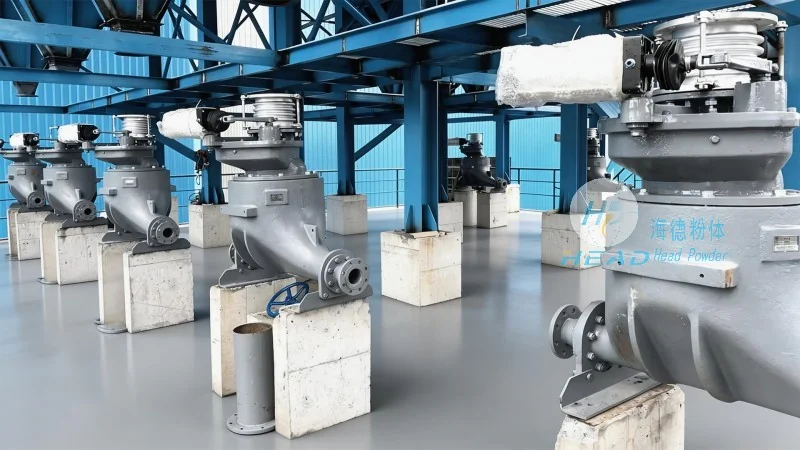
However, there are also considerations to keep in mind when implementing a cement pneumatic conveying system. The initial investment cost can be higher compared to traditional methods, and the maintenance requirements may be more complex due to the presence of moving parts and the need for regular air filtration. Additionally, the system's performance is highly dependent on the properties of the material being transported, such as its particle size, moisture content, and flowability. Proper system design and material selection are crucial to ensure optimal performance and longevity.
Conclusion
Cement pneumatic conveying systems, as exemplified by the solutions offered by Shandong HeadPowder Engineering Co., Ltd., represent a sophisticated and efficient method for transporting bulk materials in industrial settings. By understanding the working principle and leveraging the key features of these systems, businesses can enhance their material handling processes, improve operational efficiency, and ensure compliance with environmental and safety standards. With their adaptability and reliability, pneumatic conveying systems continue to be a vital component in the modern cement and powder processing industry.