

<h3>Working Principle and Characteristics of Plastic Powder Pneumatic Conveying</h3>
Plastic powder pneumatic conveying is a crucial technology in material handling, particularly for transporting plastic powders efficiently and safely. This method utilizes air or gas to move plastic powders through a pipeline system, offering several advantages over traditional mechanical conveying methods. The process is widely adopted in industries such as plastics manufacturing, pharmaceuticals, and food processing due to its ability to handle fine powders without contamination or degradation.
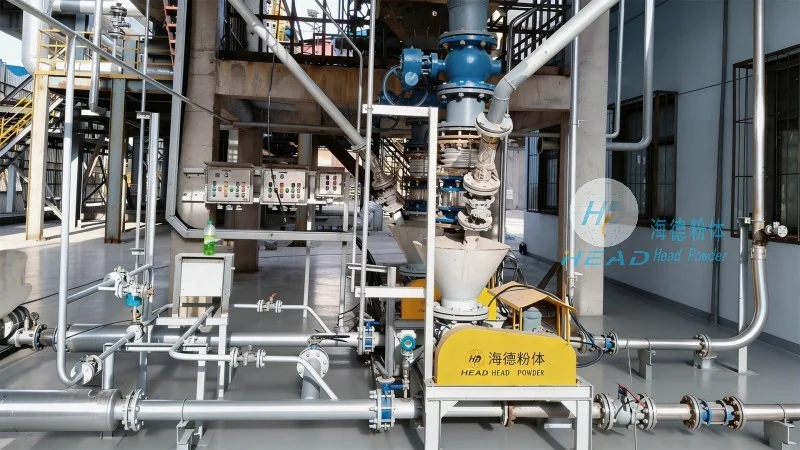
HeadPowder, a leading provider of pneumatic conveying solutions, specializes in designing and manufacturing systems tailored to the unique needs of plastic powder handling. With a focus on innovation and reliability, the company has developed advanced technologies that enhance the performance and efficiency of plastic powder transportation. The following sections will explore the working principle and key characteristics of plastic powder pneumatic conveying, providing insights into how this technology operates and its benefits in industrial applications.
The Working Principle of Plastic Powder Pneumatic Conveying
At its core, plastic powder pneumatic conveying operates by creating a flow of air or gas within a pipeline. The system typically consists of a hopper, a conveying line, and a receiver. The plastic powder is introduced into the hopper, where it is fed into the pipeline by either a rotary valve or a feeder. The air or gas is then introduced into the pipeline, creating a pressure differential that propels the powder forward. There are two main types of pneumatic conveying systems: suction (or vacuum) systems and pressure systems.
In suction systems, a vacuum is created at the receiving end of the pipeline, drawing the plastic powder from the source. This method is ideal for short-distance conveying and when the material needs to be transported from multiple points. The suction system uses a fan or vacuum pump to generate the necessary vacuum, ensuring the powder is drawn efficiently without clogging the pipeline. The air and powder mixture is then separated at the receiving end, with the powder collected in a container and the air released back into the atmosphere or filtered.
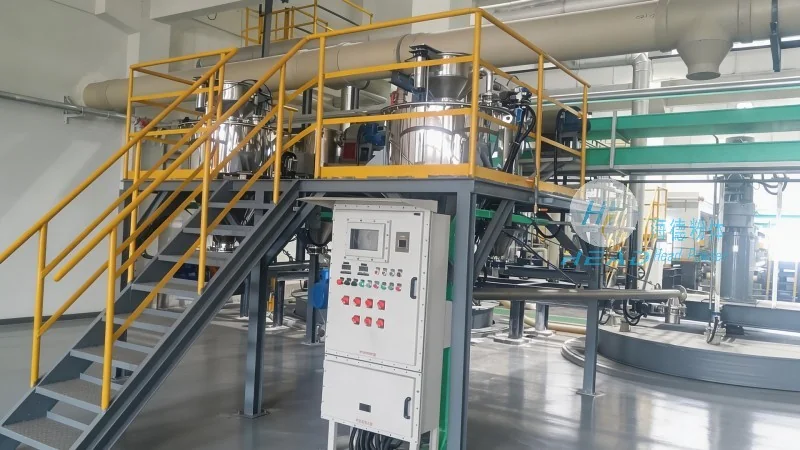
Pressure systems, on the other hand, use compressed air to push the plastic powder through the pipeline. The compressed air is introduced at the feeding end, creating a pressure that forces the powder forward. This method is suitable for longer distances and when the material needs to be transported to a single destination. The pressure system typically includes a blower or compressor to generate the required pressure, and the air is mixed with the powder in a hopper or feeder before entering the pipeline. The mixture is then conveyed to the destination, where the powder is separated from the air using a cyclone or filter.
Key Characteristics of Plastic Powder Pneumatic Conveying
Plastic powder pneumatic conveying offers several distinct characteristics that make it a preferred choice for handling plastic powders. One of the most significant advantages is its ability to handle fine and abrasive powders without causing degradation or contamination. Unlike mechanical conveying methods, which may use belts or screws that can damage the powder particles, pneumatic systems use air to transport the material, preserving its quality and integrity.
Another key characteristic is the system's flexibility and adaptability. Pneumatic conveying systems can be easily modified to accommodate changes in material flow rates or pipeline configurations. This flexibility allows companies to scale their operations as needed, without the need for extensive equipment changes. Additionally, the system can handle a wide range of plastic powders, including those with varying particle sizes, densities, and moisture content, making it versatile for different industrial applications.
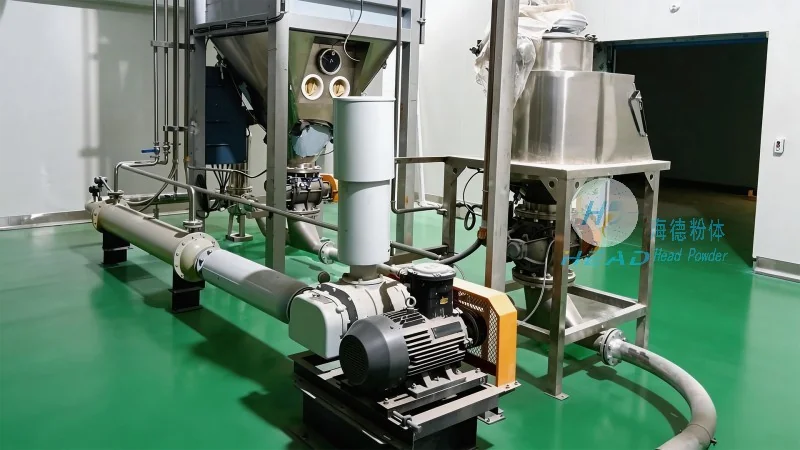
Efficiency and cost-effectiveness are also important characteristics of plastic powder pneumatic conveying. The technology reduces labor costs by automating the material handling process, minimizing the need for manual handling and reducing the risk of workplace accidents. It also minimizes material loss and contamination, leading to lower operational costs and improved product quality. The system's ability to handle large volumes of plastic powder in a continuous manner further enhances its efficiency, making it suitable for high-production environments.
Applications and Benefits in Industrial Settings
HeadPowder's pneumatic conveying systems are widely used in various industrial settings, particularly in the plastics manufacturing industry. The technology is employed in processes such as raw material transport, product transfer, and waste handling. For example, in a plastic manufacturing plant, the system can transport plastic powders from storage silos to processing machines, ensuring a continuous and uninterrupted production flow. The system's ability to handle fine powders without clogging or degradation makes it ideal for applications where product quality is critical.
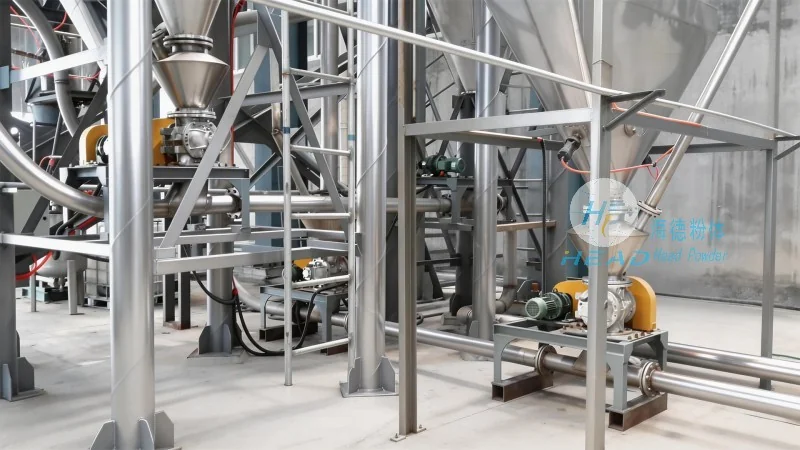
In pharmaceutical and food processing industries, the hygienic design of pneumatic conveying systems is crucial. HeadPowder's systems are designed with stainless steel components and sealed connections to prevent contamination and ensure compliance with industry regulations. The system's ability to maintain a clean and sterile environment is essential for handling pharmaceuticals and food products, where any contamination can lead to product recalls or health risks.
The benefits of plastic powder pneumatic conveying extend beyond efficiency and hygiene. The technology also reduces energy consumption compared to traditional mechanical conveying methods. By using air to transport the material, the system minimizes the need for moving parts and reduces the energy required for operation. This not only lowers operational costs but also contributes to environmental sustainability by reducing energy usage and emissions.
Conclusion
Plastic powder pneumatic conveying is a sophisticated and efficient technology that plays a vital role in modern industrial operations. The working principle, which involves using air or gas to transport plastic powders through a pipeline system, offers several advantages over traditional methods. Key characteristics such as material handling flexibility, efficiency, and hygiene make it a preferred choice for industries dealing with plastic powders. HeadPowder, with its expertise in pneumatic conveying solutions, continues to innovate and provide reliable systems that meet the evolving needs of industrial applications. By understanding the working principle and characteristics of plastic powder pneumatic conveying, companies can optimize their material handling processes and enhance overall operational performance.