

What is a Multi-functional Powder Pneumatic Conveying Equipment? And What Are Its Design Principles?
Multi-functional powder pneumatic conveying equipment represents a sophisticated solution for the efficient and reliable transport of bulk powders in industrial settings. This technology has evolved significantly over the years, offering a versatile approach to handling various powder types with precision and minimal operational challenges. Understanding its core functionality and design principles is crucial for industries that rely on consistent material flow and process optimization.
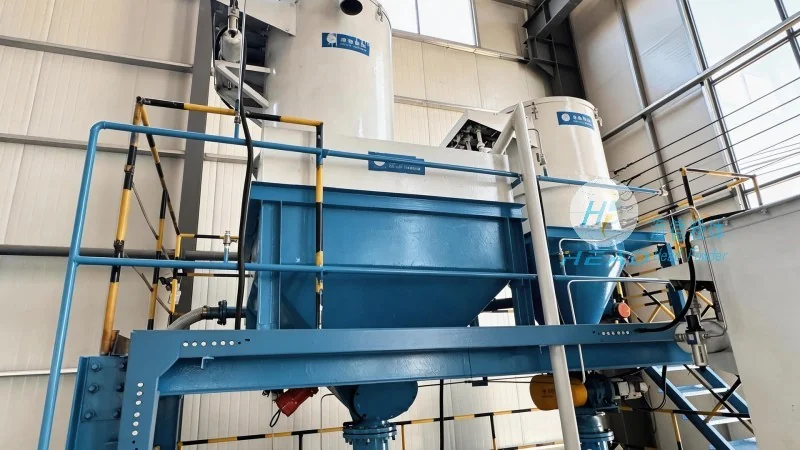
Introduction to Multi-functional Powder Pneumatic Conveying Equipment
At its essence, multi-functional powder pneumatic conveying equipment is a system designed to move dry powders, granules, or fine particles through a pipeline using air or other gases as the conveying medium. Unlike traditional mechanical conveying methods, which often involve complex machinery and high maintenance, pneumatic systems leverage the power of air to transport materials with greater flexibility and adaptability. This makes them ideal for applications where materials need to be transported over long distances, through complex layouts, or in environments where dust control and hygiene are critical.
About HeadPowder: Shandong HeadPowder Engineering Co., Ltd.
HeadPowder, or Shandong HeadPowder Engineering Co., Ltd., is a leading manufacturer specializing in the design, development, and supply of advanced powder handling solutions. With a strong presence in China, particularly in Shandong province, the company has built a reputation for delivering high-quality, reliable equipment tailored to the diverse needs of industrial clients. The company’s commitment to innovation and customer satisfaction has positioned it as a trusted partner in the powder processing industry, providing solutions that enhance operational efficiency and reduce downtime.
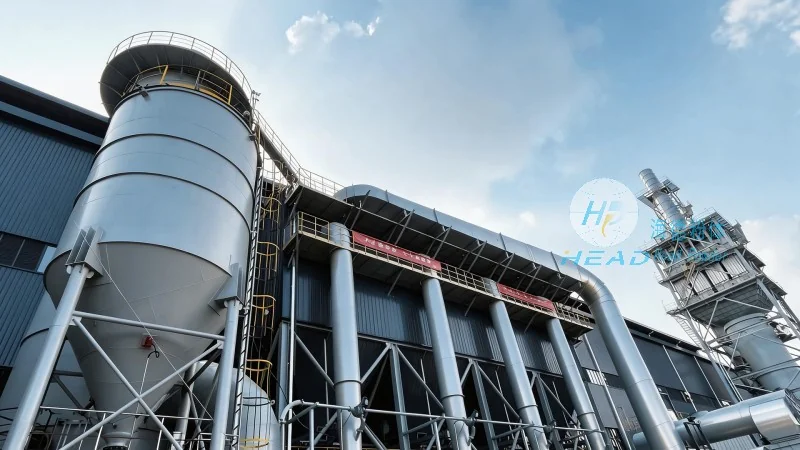
Design Principles of Multi-functional Powder Pneumatic Conveying Equipment
The design of multi-functional powder pneumatic conveying equipment is built on several key principles that ensure optimal performance and adaptability. One of the primary considerations is the selection of the appropriate conveying method, which can be categorized into pressure or vacuum systems. Pressure systems, where air is forced into the system to push the material, are typically used for short to medium distances and for materials that are less abrasive. Vacuum systems, on the other hand, use suction to draw materials into the pipeline, making them suitable for longer distances and for handling materials that are more delicate or sensitive to pressure changes.
Another critical design aspect is the choice of components that ensure efficient material handling. Key components include the hopper or feeder, which controls the flow of material into the system; the air compressor or vacuum pump, which provides the necessary air pressure or suction; the pipeline system, which transports the material; and the control valves and sensors, which regulate the flow and monitor system performance. The design also emphasizes the use of materials that are compatible with the conveyed powders, ensuring that there is no contamination or degradation of the product. For instance, stainless steel or specialized plastics are often used to prevent corrosion and maintain product purity.
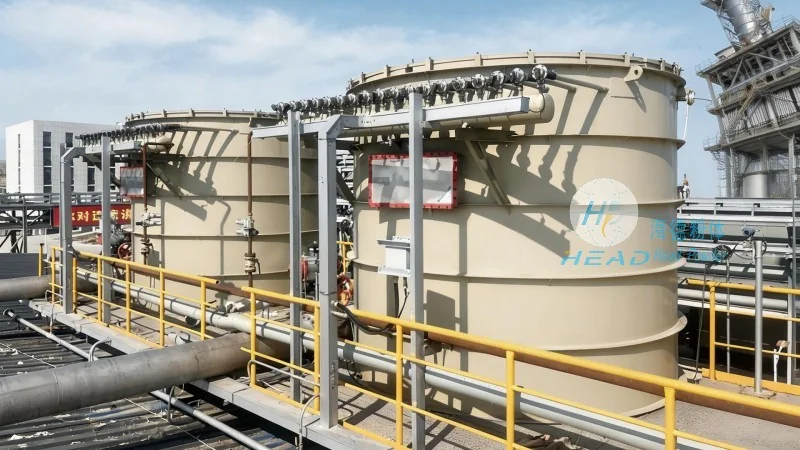
Key Features and Advantages of the Equipment
Multi-functional powder pneumatic conveying equipment offers several advantages that make it a preferred choice in many industries. One of the most significant benefits is its ability to handle a wide range of powder types, from fine powders like cement or flour to bulkier materials like coal or minerals. The flexibility of the system allows it to be adapted to different process requirements, making it suitable for various applications such as pharmaceuticals, food processing, chemical manufacturing, and mining. Additionally, the equipment is designed to minimize dust emissions and maintain a clean working environment, which is essential for industries where hygiene and safety are paramount.
Operational efficiency is another key advantage. By using air as the conveying medium, the system reduces the need for mechanical components like belts or screws, which can wear out quickly and require frequent maintenance. This leads to lower operational costs and increased uptime. The system also allows for precise control over the flow rate and pressure, ensuring that the material is transported at the optimal speed without causing blockages or damage to the pipeline. Furthermore, the modular design of the equipment allows for easy expansion or modification, enabling businesses to scale their operations as their needs change.
Applications and Industry Use Cases
The versatility of multi-functional powder pneumatic conveying equipment makes it applicable across a broad spectrum of industries. In the pharmaceutical industry, for example, the equipment is used to transport active pharmaceutical ingredients (APIs) and other sensitive powders with strict contamination control measures. The system’s ability to maintain a sterile environment and prevent cross-contamination is critical for ensuring product quality and compliance with regulatory standards. In the food processing industry, the equipment is used to handle ingredients like flour, sugar, and spices, where hygiene and product purity are essential. The system’s design allows for easy cleaning and maintenance, which is crucial for meeting food safety regulations.
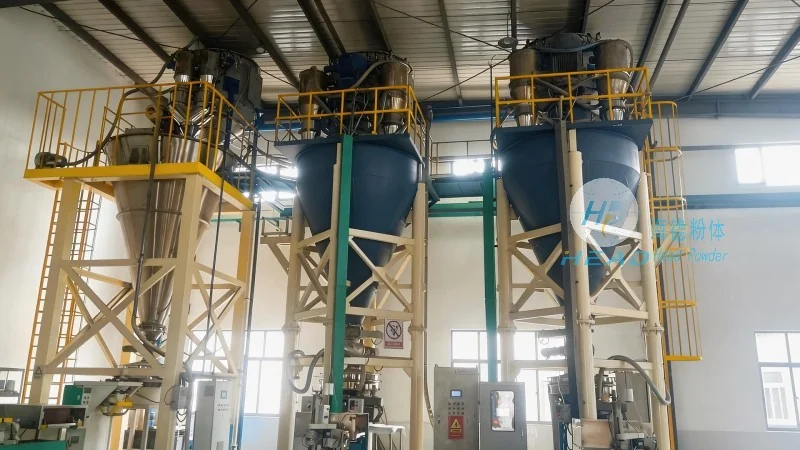
In the chemical manufacturing sector, the equipment is used to transport various chemicals, including powders that are corrosive or reactive. The system’s materials and design ensure that the equipment can withstand harsh conditions and prevent leaks or spills, which are critical for safety and environmental compliance. In the mining industry, the equipment is used to transport minerals and ores from processing plants to storage facilities or for further processing. The system’s ability to handle bulk materials over long distances makes it an efficient solution for large-scale operations.
Conclusion: The Role of Multi-functional Powder Pneumatic Conveying Equipment in Modern Industry
Multi-functional powder pneumatic conveying equipment plays a vital role in modern industrial operations, offering a reliable and efficient solution for the transport of bulk powders. By understanding its design principles and the capabilities of the equipment, businesses can make informed decisions about integrating this technology into their processes. The equipment’s adaptability, efficiency, and ability to handle a wide range of materials make it an essential component in industries where material flow is critical to operational success. As technology continues to advance, the design and functionality of these systems will likely evolve further, providing even more innovative solutions for the future of powder handling.