When it comes to industrial material handling, the efficiency and reliability of equipment are paramount. One such critical piece of machinery is the automatic bag opening and material conveying equipment. This system is designed to streamline the process of handling bulk materials from their packaging to the next stage of production or storage. In this article, we will explore what this equipment entails and delve into its fundamental design principles.
Understanding the Core Function of the Equipment
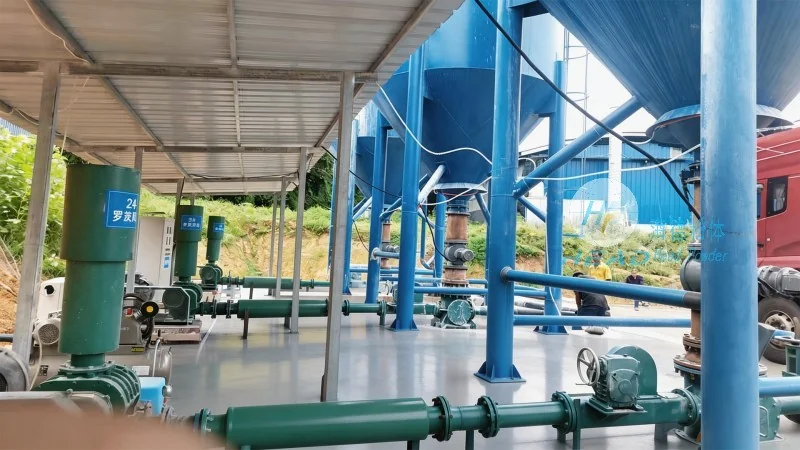
At its core, the automatic bag opening and material conveying equipment is a sophisticated system engineered to handle the entire workflow from the moment a bag of material is presented to the point where the contents are fully transferred into a conveyor or storage system. The primary function is to automate the bag opening process, which traditionally required manual intervention, thereby reducing labor costs and increasing operational speed. The equipment typically integrates several components that work in tandem to achieve this goal.
Key Components and Their Roles
The design of this equipment involves a combination of mechanical, pneumatic, and sometimes electronic components. A common setup includes a bag feeding mechanism, a bag opening device, a material discharge system, and a conveyor or transfer unit. The bag feeding mechanism ensures that bags are properly aligned and positioned for processing. The bag opening device, which can be a mechanical cutter or a pneumatic system, is responsible for opening the bag without damaging the contents. The material discharge system then collects the material from the opened bag and transfers it to the conveyor. The conveyor or transfer unit then moves the material to the desired location, such as a silo, hopper, or processing line.
Design Principles Behind the Equipment
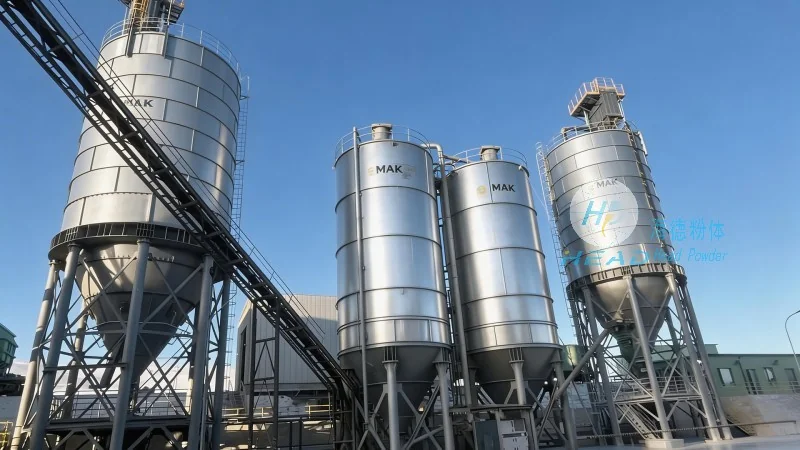
The design principles of the automatic bag opening and material conveying equipment are centered around efficiency, reliability, and adaptability. Efficiency is achieved through the automation of all steps involved in the material handling process, minimizing downtime and maximizing throughput. Reliability is ensured by using robust components that can withstand the rigors of continuous operation in industrial environments. Adaptability is crucial as different industries may have varying bag sizes, materials, and processing requirements. The design allows for adjustments to accommodate these variations without significant modifications to the system.
How the Equipment Operates in Practice
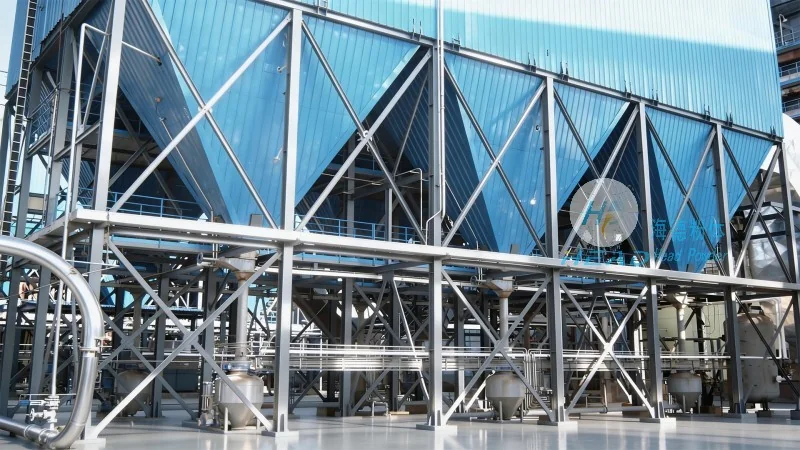
Let's consider a typical operation scenario. A bag of bulk material, such as cement, fertilizer, or chemicals, is placed on the feeding platform. The system uses sensors to detect the bag's presence and position. The bag opening mechanism then activates, cutting or tearing the bag open. The material inside the bag is then discharged into a hopper or chute, which feeds the conveyor. The conveyor transports the material to the next stage of the production process. This entire process is controlled by a programmable logic controller (PLC) that coordinates the actions of all components, ensuring smooth and continuous operation.
Benefits of Using Automatic Bag Opening and Material Conveying Equipment
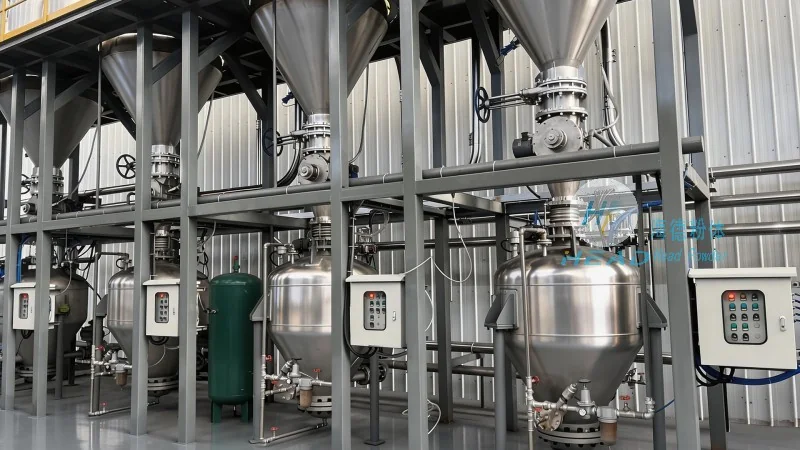
Implementing this equipment offers several advantages for industrial operations. Firstly, it significantly reduces labor costs by eliminating the need for manual bag opening and material handling. Secondly, it increases production efficiency by reducing the time required for material transfer. Thirdly, it enhances safety in the workplace by minimizing human exposure to heavy or hazardous materials. Additionally, the equipment can handle a wide range of bag sizes and materials, making it versatile for various applications. Finally, the automation reduces the risk of material spillage and contamination, ensuring product quality and compliance with safety standards.
Conclusion
Automatic bag opening and material conveying equipment is a vital component in modern industrial material handling systems. Its design principles focus on efficiency, reliability, and adaptability, making it an essential tool for businesses looking to streamline their operations and improve productivity. By automating the bag opening and material transfer processes, this equipment not only reduces labor costs but also enhances safety and product quality. For companies operating in industries that rely on bulk materials, investing in such equipment is a strategic move towards operational excellence.




