Understanding the design principles of a potassium carbonate powder conveying line is essential for industries that handle this chemical efficiently and safely. This system is specifically engineered to transport potassium carbonate, a widely used chemical in various industrial applications, from one location to another with precision and reliability.
Introduction to Potassium Carbonate Powder Conveying Lines
A potassium carbonate powder conveying line is a specialized system designed to handle the transportation of potassium carbonate powder. This chemical, known for its applications in glass manufacturing, food processing, and chemical synthesis, requires a conveying system that ensures minimal dust generation, accurate flow control, and efficient material handling. The design of such a line is critical to meet the operational demands of industries that rely on consistent and safe material transport.
Key Components and Design Considerations
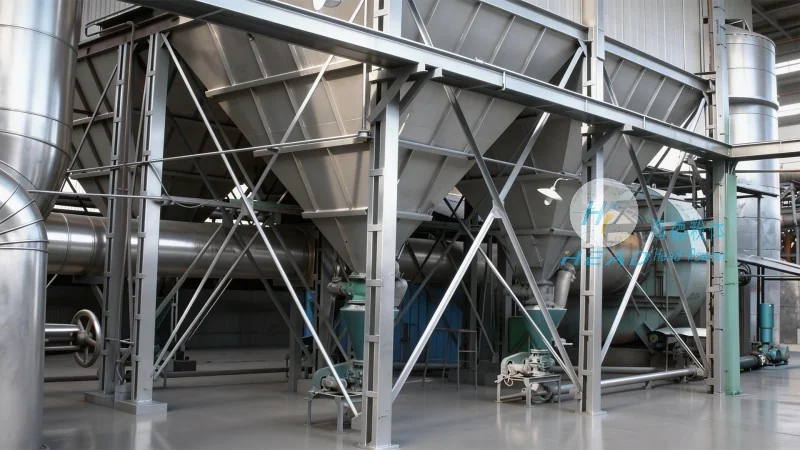
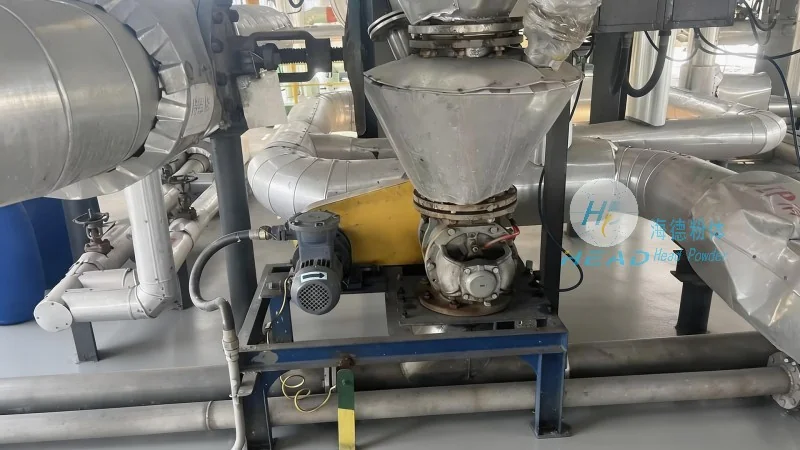
The design of a potassium carbonate powder conveying line involves several key components and considerations to ensure optimal performance. These components typically include feeders, conveyors, dust collection systems, and control mechanisms. The choice of equipment is based on factors such as the bulk density of the powder, the required conveying capacity, and the distance over which the material needs to be transported. For example, a screw conveyor or a pneumatic conveyor might be selected depending on the specific characteristics of the potassium carbonate powder being handled.
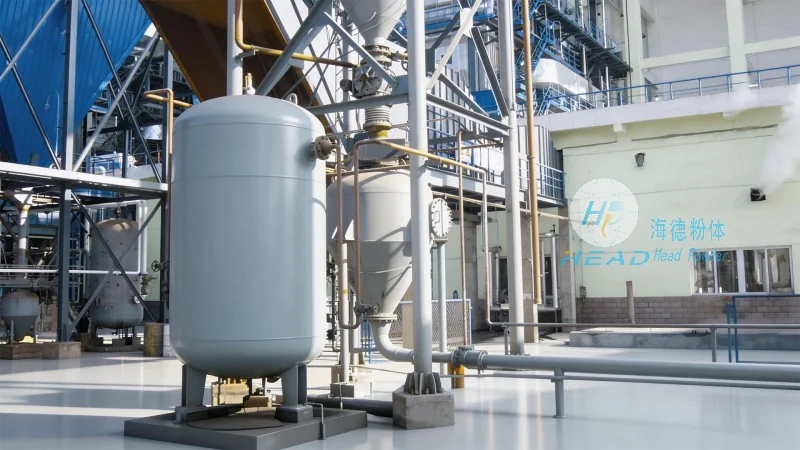
One of the primary design considerations is the prevention of dust generation. Potassium carbonate is a fine powder, and excessive dust can lead to safety hazards and material loss. Therefore, the conveying line is often equipped with dust suppression systems, such as enclosed hoppers and sealed conveyor sections, to minimize dust exposure. Additionally, the design may incorporate features like aeration or vibration to maintain the flowability of the powder and prevent blockages.
System Integration and Operational Efficiency
The integration of various components in a potassium carbonate powder conveying line is crucial for achieving high operational efficiency. The system must be capable of handling varying loads and maintaining consistent flow rates. This often involves the use of variable speed drives and sensors that monitor the material level and flow rate in real-time. By integrating these elements, the conveying line can adapt to changing production demands while ensuring the safe and efficient transport of potassium carbonate.
Another important aspect of the design is the maintenance and durability of the equipment. Since potassium carbonate can be abrasive, the materials used in the construction of the conveying line, such as stainless steel or special coatings, are selected to withstand the wear and tear caused by the powder. Regular maintenance schedules are also incorporated into the design to ensure the longevity and reliability of the system.
Applications and Industry Impact
Potassium carbonate powder conveying lines are widely used in industries that require the consistent supply of this chemical. In the glass industry, for instance, potassium carbonate is used as an alkali in the production of glass, and the conveying line ensures that the material is delivered to the glass furnaces in the correct quantity and quality. Similarly, in the food and chemical industries, the system plays a vital role in maintaining the purity and consistency of the product.
The design principles of these conveying lines are tailored to meet the specific needs of each application. Whether it's a small-scale operation or a large industrial plant, the system is engineered to provide reliable and efficient material transport. By understanding the design principles and components of a potassium carbonate powder conveying line, industries can optimize their production processes and ensure the safe handling of this important chemical.




