Graphite powder conveying lines are specialized systems engineered to handle the transportation and processing of graphite powder, a material widely used in various industrial applications due to its unique properties such as high thermal conductivity, electrical conductivity, and chemical resistance. These systems are crucial for ensuring efficient and safe handling of graphite powder, which is often used in manufacturing processes like refractory production, battery components, and lubricants. The design of a graphite powder conveying line involves several key components and principles that work together to optimize performance and maintain product integrity.
Key Design Principles for Graphite Powder Conveying Systems
The design of a graphite powder conveying line is based on several fundamental principles aimed at addressing the specific challenges of handling fine powders. One of the primary considerations is the prevention of dust generation and the control of particle dispersion, as graphite powder can be prone to creating airborne dust that poses health and safety risks. To mitigate this, conveying systems often incorporate enclosed pipelines, dust collection systems, and air filtration units. Additionally, the design must account for the abrasive nature of graphite powder, which can cause wear on equipment components. Therefore, materials such as stainless steel, special alloys, or wear-resistant coatings are commonly used for the construction of hoppers, conveyors, and piping to ensure durability and longevity.
Another critical design principle is the selection of appropriate conveying methods. Common methods include pneumatic conveying (using air or gas to transport the powder), mechanical conveying (using screws, belts, or buckets), and hybrid systems that combine both approaches. The choice of method depends on factors like the particle size distribution, moisture content, and the distance over which the powder needs to be transported. For example, pneumatic conveying is often preferred for fine powders that are difficult to handle mechanically, while mechanical conveying may be more suitable for bulk quantities or when the material is less abrasive.
Components of a Typical Graphite Powder Conveying Line
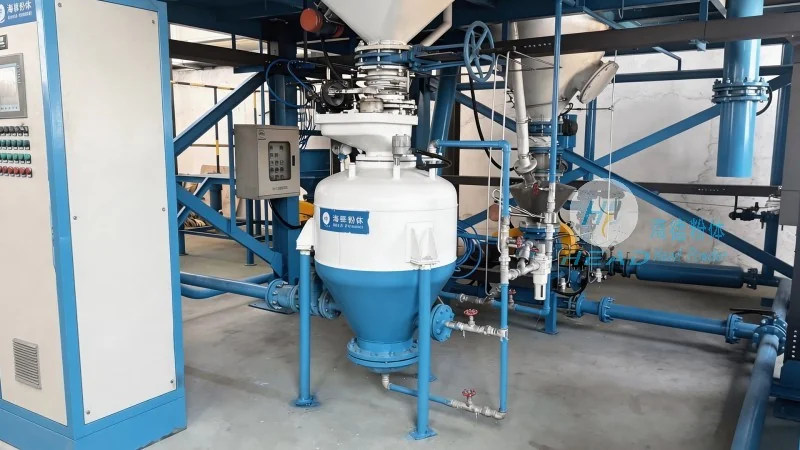
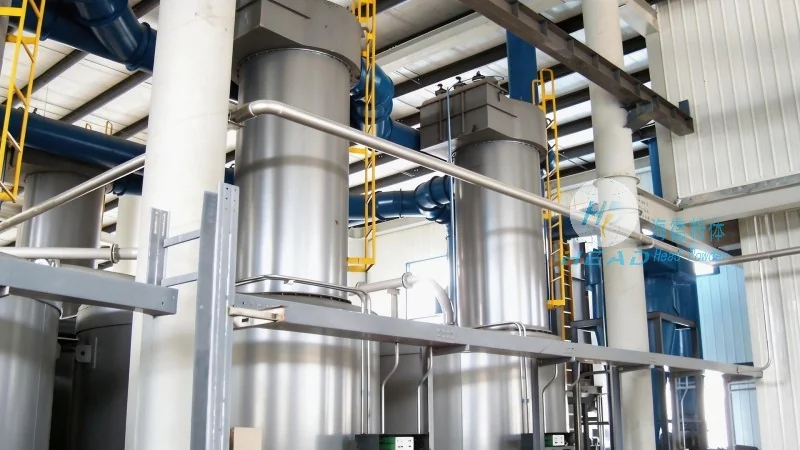
A typical graphite powder conveying line consists of several interconnected components that work in sequence to move the material from the source to the destination. The main components include a hopper for storing the graphite powder, a feeder to control the flow rate, a conveyor system (either pneumatic or mechanical) for transporting the powder, and a receiver or storage tank at the end of the line. The hopper is designed to minimize material buildup and prevent caking, which can occur due to moisture or agglomeration. It may include features like agitators or vibrators to ensure consistent material flow. The feeder, often a rotary valve or a screw feeder, regulates the amount of powder released into the conveyor system, preventing overloading and ensuring smooth operation.
The conveyor system is the core of the line, responsible for moving the graphite powder through the pipeline. In pneumatic conveying, the system uses a blower or compressor to generate airflow that carries the powder particles. The velocity and pressure of the air are carefully controlled to prevent particle segregation or damage. Mechanical conveyors, such as screw conveyors or belt conveyors, use rotating parts to push the powder along the path. These systems are often preferred for larger particle sizes or when the material is more cohesive. The piping or tubing used in the system is typically made of materials resistant to corrosion and wear, such as stainless steel or polyethylene, to ensure long-term performance.
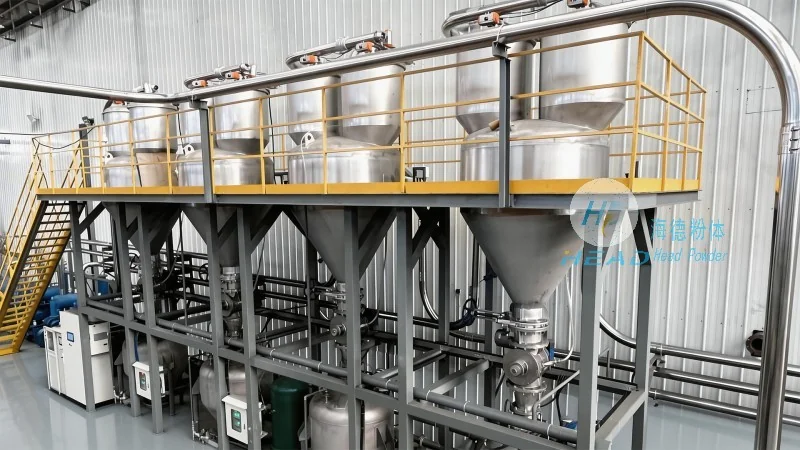
The receiver or storage tank at the end of the line collects the conveyed graphite powder and may include additional processing steps, such as screening or mixing. It is designed to maintain the quality of the powder and prevent contamination from external sources. The entire system is often equipped with monitoring and control devices, such as pressure sensors, flow meters, and level indicators, to ensure optimal operation and detect any issues in real-time.
Applications and Benefits of Graphite Powder Conveying Lines
Graphite powder conveying lines are used in a wide range of industrial applications where the efficient handling of graphite powder is essential. In the refractory industry, these systems are used to transport graphite powder to mixing and molding processes, ensuring consistent material composition and reducing waste. In battery manufacturing, the conveying lines deliver graphite powder to electrode production lines, where it is used as a key component in lithium-ion batteries. The automotive industry also utilizes graphite powder conveying systems for the production of lubricants and wear-resistant components. The benefits of using a well-designed graphite powder conveying line include improved safety by reducing dust exposure, increased efficiency through optimized material flow, and enhanced product quality by maintaining the integrity of the powder.
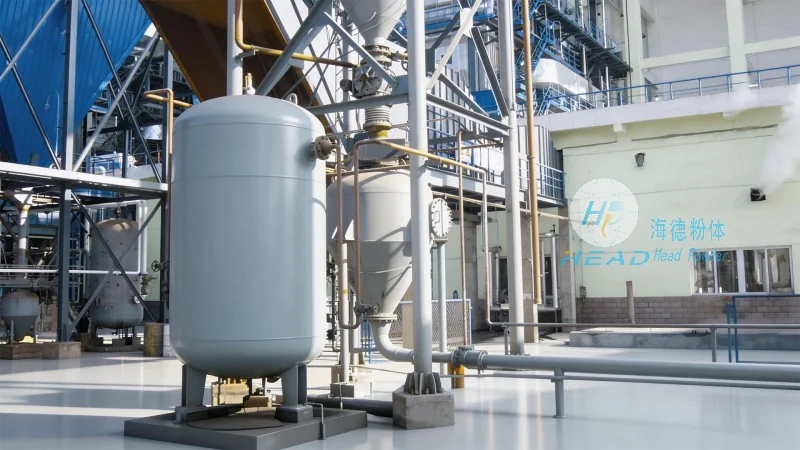
Furthermore, the design of these systems allows for flexibility in accommodating different production volumes and process requirements. They can be scaled up or down to meet the needs of various applications, and modifications can be made to adapt to changes in material properties or production processes. This adaptability makes graphite powder conveying lines a versatile solution for industries that rely on graphite powder as a critical raw material.
About Shandong HeadPowder Engineering Co., Ltd.
Shandong HeadPowder Engineering Co., Ltd., operating under the brand name headpowder, is a leading manufacturer and supplier of specialized conveying systems for various powder materials, including graphite powder. With a focus on innovation and quality, the company has developed advanced solutions that address the unique challenges of handling fine and abrasive powders. The company's expertise lies in designing and manufacturing customized conveying lines that meet the specific requirements of clients from different industries. Headpowder's products are known for their durability, efficiency, and reliability, helping businesses improve their production processes and reduce operational costs. Based in Shandong, China, the company serves clients globally, providing comprehensive support from design and installation to maintenance and after-sales service.




