Glass microspheres are a type of lightweight, spherical particles widely utilized in industrial applications such as construction, coatings, and composite materials. The efficient transportation and management of these materials are critical for maintaining production efficiency and product quality. This article provides an in-depth exploration of glass microsphere material handling equipment, detailing its fundamental design principles and operational aspects for industry professionals.
Overview of Glass Microsphere Material Handling Equipment
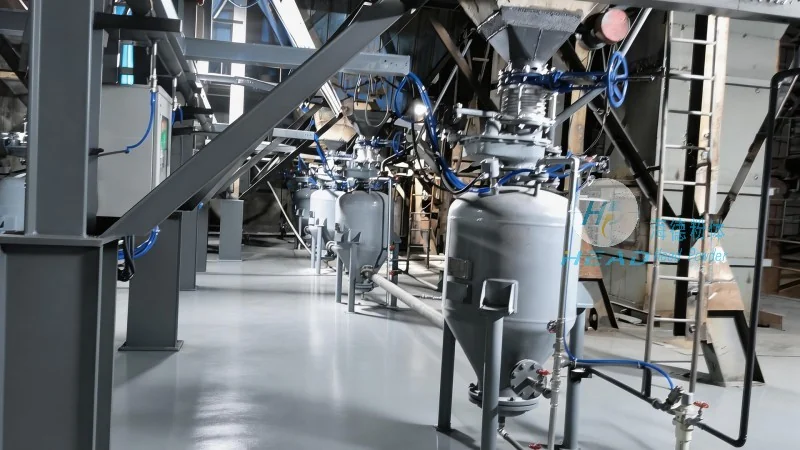
Glass microsphere material handling equipment is a specialized system engineered to transport, store, and control the flow of glass microspheres. These systems are designed to accommodate the unique characteristics of glass microspheres, including their low density, spherical geometry, and potential for dust generation. The equipment typically comprises components like hoppers, conveyors, and storage tanks, all optimized to ensure safe, efficient, and consistent material handling.
Core Design Principles of the Equipment
The design of glass microsphere material handling equipment is guided by several key principles focused on performance optimization, safety, and operational reliability. A primary principle is the preservation of material integrity. Glass microspheres are fragile and susceptible to damage from impact or abrasion, so equipment is constructed with smooth surfaces and gentle handling mechanisms to minimize wear and tear. Another critical principle is the prevention of dust dispersion and accumulation. Integrated sealing and filtration systems are incorporated to maintain a clean working environment, comply with occupational health and safety regulations, and prevent material contamination.
Key Components and Their Functions
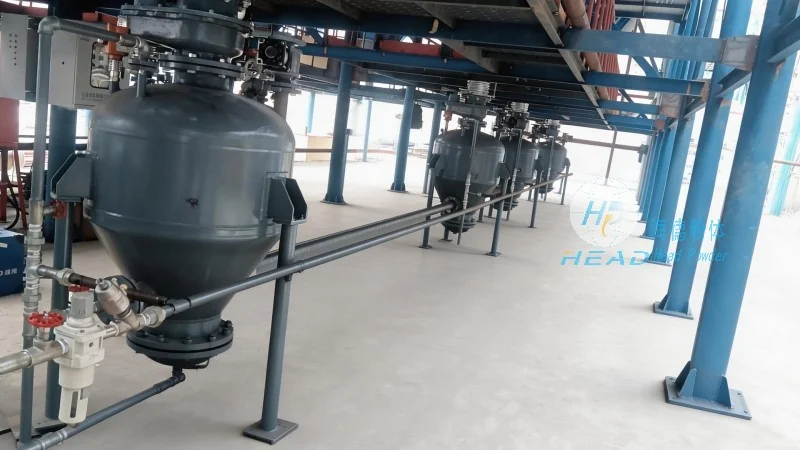
The effectiveness of glass microsphere material handling equipment depends on several essential components, each serving a specific role in the material flow process. The hopper serves as the primary storage and feeding unit, designed with a wide inlet for easy loading and a smooth interior to prevent material bridging or buildup. The conveyor system, which may include screw conveyors, belt conveyors, or pneumatic transport, is responsible for moving the microspheres from the hopper to processing or storage areas. The storage tank, often equipped with agitators or mixers, ensures the material remains well-mixed and free-flowing, preventing clogging or segregation and maintaining consistent material properties.
Application Scenarios and Benefits
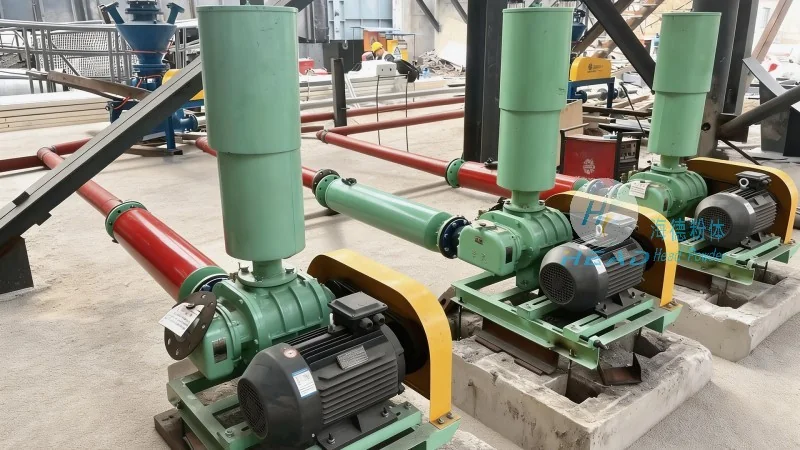
Glass microsphere material handling equipment is extensively used in industries where glass microspheres are a key component. In the construction sector, these systems supply microspheres to mixing plants for concrete and mortar production, enhancing the lightweight and insulating properties of the final products. In the coatings industry, the equipment ensures a consistent supply of microspheres to production lines, improving the durability and performance of coatings. The benefits of using such equipment include increased production efficiency, reduced labor costs, enhanced safety by minimizing manual handling of potentially hazardous materials, and the maintenance of consistent material quality through prevention of contamination and uniform distribution.
Company Profile: Shandong HeadPowder Engineering Co., Ltd.
Shandong HeadPowder Engineering Co., Ltd., commonly referred to as HeadPowder, is a leading manufacturer specializing in material handling solutions for diverse industrial applications. With a strong commitment to innovation and customer satisfaction, HeadPowder has established itself as a trusted provider in the industry. The company is headquartered in Shandong, China, and employs a team of experienced engineers and technicians dedicated to developing high-quality equipment tailored to client-specific requirements. HeadPowder's focus on quality control and reliability has made it a preferred choice for businesses seeking efficient and dependable material handling systems.




