When it comes to handling sodium chlorate, a highly reactive chemical widely used in industrial applications, specialized equipment is essential for ensuring safety, efficiency, and compliance with regulatory standards. This article delves into the specifics of sodium chlorate material handling equipment, exploring its design principles and the critical factors that make it suitable for this demanding chemical. The information is presented by Shandong HeadPowder Engineering Co., Ltd., a leading manufacturer based in China, with a focus on practical applications and technical insights.
What Is Sodium Chlorate Material Handling Equipment?
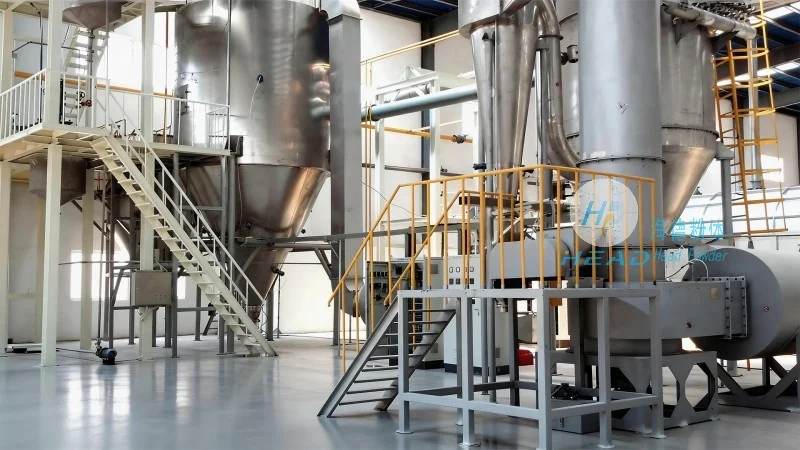
Sodium chlorate material handling equipment refers to a range of machinery and systems designed to transport, store, and manage sodium chlorate safely. This chemical, known for its oxidizing properties, requires specialized handling to prevent accidents such as fires, explosions, or contamination. The equipment typically includes components like conveyors, storage tanks, pumps, and safety valves, all engineered to minimize the risk of exposure and ensure smooth operation. The primary goal of this equipment is to facilitate the controlled movement of sodium chlorate from production sites to end-use applications, such as in the production of chlorine, bleaching agents, and other chemical products.
Key Components of Sodium Chlorate Handling Systems
Effective sodium chlorate material handling systems rely on several key components that work in tandem to ensure safety and efficiency. These components include:
- Conveyors: Often, belt or screw conveyors are used to transport solid sodium chlorate from storage to processing units. These systems are designed with non-sparking materials and explosion-proof features to handle the chemical's sensitivity.
- Storage Tanks: Large, corrosion-resistant tanks are used to store sodium chlorate in liquid or solid form. These tanks are typically made from materials like stainless steel or lined with protective coatings to prevent chemical degradation and ensure durability.
- Pumps: Specialized pumps, such as diaphragm or centrifugal pumps, are employed to transfer liquid sodium chlorate between tanks and processing equipment. These pumps are designed to handle the chemical's high reactivity and prevent leaks or spills.
- Safety Valves and Sensors: Critical safety features include pressure relief valves, temperature sensors, and level indicators. These components monitor the system for any abnormal conditions and trigger alarms or shutdowns if necessary, providing an additional layer of protection.
Design Principles for Sodium Chlorate Handling Equipment
The design of sodium chlorate material handling equipment follows several fundamental principles aimed at safety, durability, and operational efficiency. These principles are tailored to address the unique challenges posed by sodium chlorate's properties, including its oxidizing nature and potential for exothermic reactions.
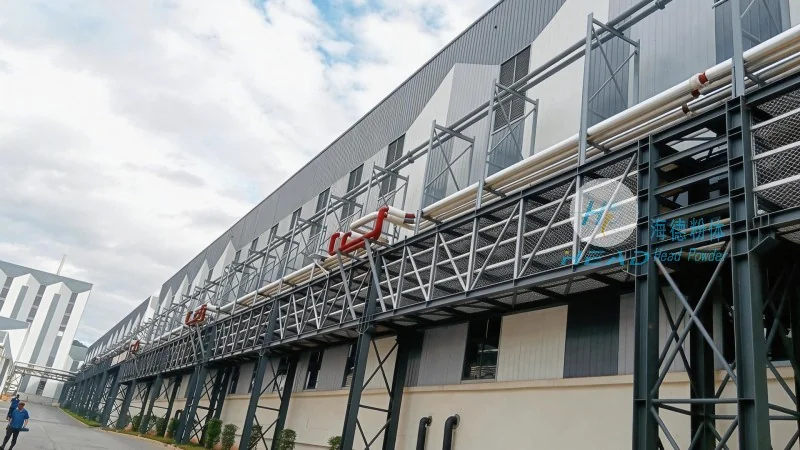
Firstly, explosion-proof and non-sparking design is a top priority. All electrical components and moving parts are constructed to prevent sparks that could ignite the chemical. This includes the use of intrinsically safe systems and explosion-proof enclosures.
Secondly, corrosion resistance is essential due to sodium chlorate's chemical reactivity. Materials like stainless steel, Hastelloy, or specialized coatings are used to protect equipment from degradation over time. Proper material selection ensures the equipment maintains its integrity during long-term operation.
Thirdly, thermal management is critical. Sodium chlorate can generate heat during handling, and the equipment must be designed to dissipate this heat effectively. Cooling systems or heat-resistant components may be incorporated to prevent overheating and potential hazards.
Fourthly, containment and leak prevention is a key design consideration. Equipment is engineered with double-walled tanks, sealed connections, and leak detection systems to minimize the risk of spills or leaks. This is crucial for environmental and safety compliance.
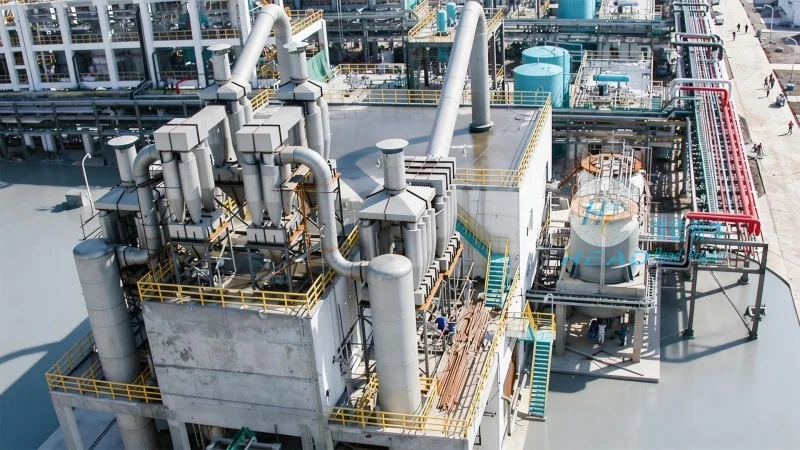
Fifthly, user safety and accessibility are integrated into the design. Control panels are positioned for easy operation, and safety interlocks are installed to prevent unauthorized access during operation. Regular maintenance access points are also included to facilitate inspections and repairs.
Applications of Sodium Chlorate Material Handling Equipment
Sodium chlorate material handling equipment is used in various industrial sectors where sodium chlorate is a key raw material. These applications include:
- Chlorine Production: Sodium chlorate is converted to chlorine gas in the production of industrial chlorine, which is used in water treatment, paper manufacturing, and other processes.
- Bleaching Agents: In the pulp and paper industry, sodium chlorate is used as a bleaching agent to improve the quality of paper products.
- Chemical Synthesis: It serves as an oxidizing agent in the synthesis of various chemicals, including pharmaceuticals and agrochemicals.
- Wastewater Treatment: Sodium chlorate is used in some wastewater treatment processes to oxidize organic compounds and improve water quality.
Conclusion
Understanding the design principles and components of sodium chlorate material handling equipment is vital for industries that rely on this chemical. The equipment from Shandong HeadPowder Engineering Co., Ltd. exemplifies the industry standards for safety, efficiency, and durability. By adhering to explosion-proof, corrosion-resistant, and thermal management principles, these systems ensure the safe and effective handling of sodium chlorate, supporting industrial operations while minimizing risks. For businesses in need of reliable sodium chlorate handling solutions, the expertise and products from this company provide a trusted foundation for their material handling needs.




