What is a Disposable Polystyrene Pneumatic Conveying System? And What Are Its Design Principles?
Release time:2026-09-14 10:53:45
name of the company:Shandong Headpowder Engineering Co., Ltd.
telephone:156-6277-7102
contacts:Zhang manager
Polystyrene pneumatic conveying systems, particularly those designed for disposable applications, represent a sophisticated solution in material handling technology. These systems are engineered to transport powders and granules efficiently and safely, often in industries where hygiene, contamination control, and operational flexibility are paramount. Understanding the core components and design principles of such systems is crucial for optimizing performance and ensuring compliance with industry standards.
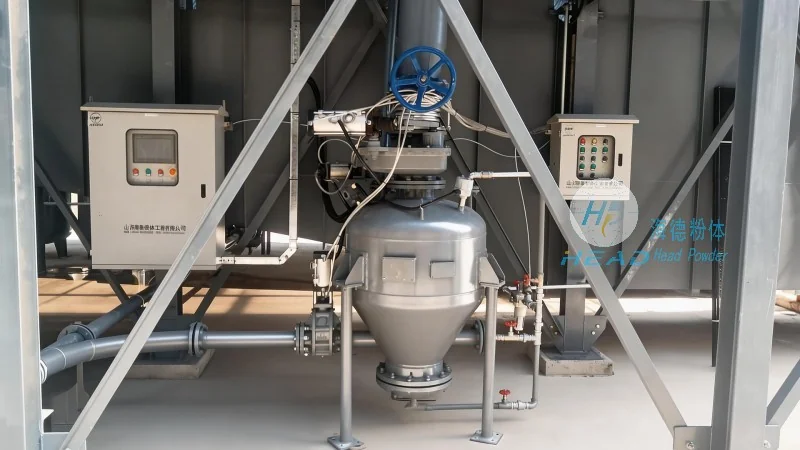
What is a Disposable Polystyrene Pneumatic Conveying System?
A disposable polystyrene pneumatic conveying system is a specialized equipment setup that utilizes compressed air or other gases to move bulk materials like powders, granules, or fine particles from one location to another. The term "disposable" indicates that the system components, often made from polystyrene or similar lightweight, non-porous materials, are designed for single-use or limited reuse, minimizing the risk of cross-contamination and simplifying cleaning processes. This type of system is commonly employed in sectors such as pharmaceuticals, food processing, and chemical manufacturing, where maintaining product purity and adhering to strict regulatory requirements are critical.
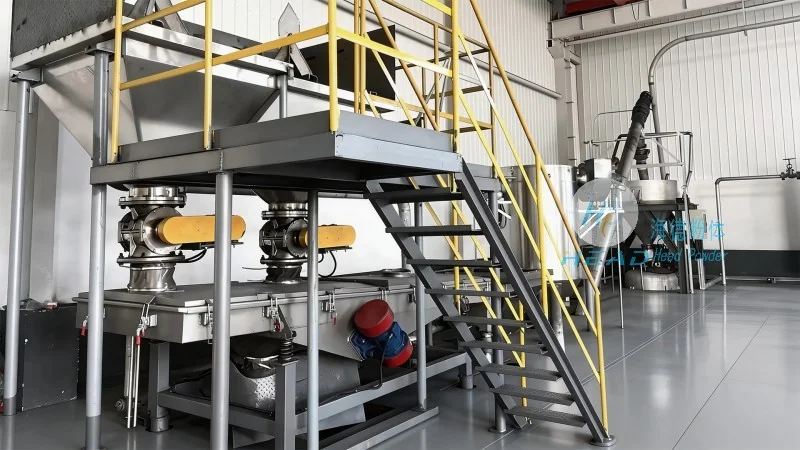
Key Design Principles of Polystyrene Pneumatic Conveying Systems
The design of a disposable polystyrene pneumatic conveying system is governed by several fundamental principles aimed at ensuring efficient material transport, system reliability, and operational safety. These principles include:
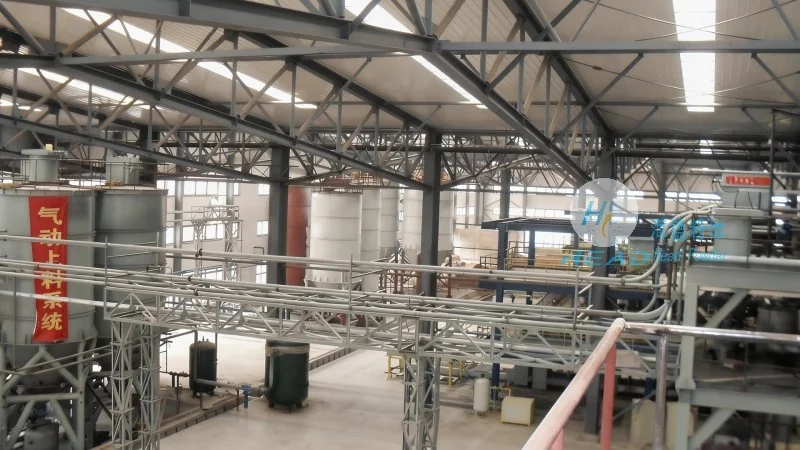
- Material Compatibility: The system components, including hoppers, ducts, and conveying lines, are constructed from polystyrene or similar materials that are chemically inert and resistant to the types of materials being transported. This prevents material degradation and ensures that the conveyed products remain uncontaminated.
- Airflow Management: Proper airflow is essential for effective conveying. The system incorporates carefully engineered air nozzles, venturi sections, and pressure control mechanisms to maintain consistent air velocity and pressure, which directly impacts the system's conveying capacity and efficiency.
- Containment and Sealing: To prevent dust emissions and maintain a controlled environment, the system features robust sealing mechanisms and dust collection systems. This is particularly important in industries where air quality and product purity are non-negotiable.
- Modular and Portable Design: Many disposable systems are designed with modular components that can be easily assembled and disassembled. This allows for quick setup, relocation, or replacement of parts, enhancing operational flexibility and reducing downtime.
How the System Works: A Step-by-Step Overview
The operation of a disposable polystyrene pneumatic conveying system involves several key steps, each contributing to the smooth and efficient transport of materials:
- Material Loading: The bulk material is fed into a hopper or feeder, which is typically integrated with the system. The hopper may include a vibrating or rotary mechanism to ensure a consistent flow of material into the conveying line.
- Air Injection: Compressed air is introduced into the conveying line, often through a venturi or air nozzle. The air flow creates a low-pressure zone that draws the material particles into the air stream, forming a dense mixture known as a "pneumatic slurry."
- Transportation: The air and material mixture travels through the ductwork, which may include bends, elbows, or expansion joints. The system's design ensures that the air velocity remains above the material's settling velocity, preventing particle deposition and maintaining continuous flow.
- Discharge: At the receiving end, the material is separated from the air stream through a cyclone separator or other filtration device. The purified material is then collected in a container or processing unit, while the air is either recirculated or vented to the environment.
Benefits of Using a Disposable Polystyrene Pneumatic Conveying System
Implementing a disposable polystyrene pneumatic conveying system offers numerous advantages for businesses operating in industries with stringent quality and hygiene requirements:
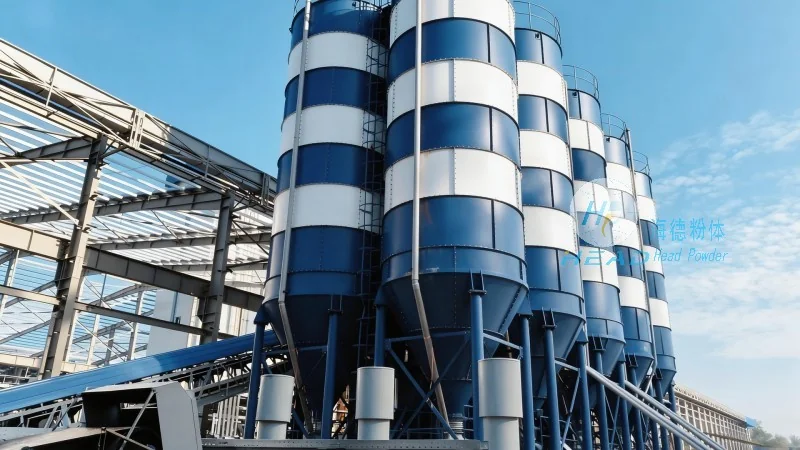
- Enhanced Product Purity: The non-porous and inert nature of polystyrene components minimizes the risk of cross-contamination, ensuring that the conveyed materials remain free from residues or contaminants from previous batches.
- Reduced Maintenance and Cleaning Costs: Since the system is designed for disposable or easy-to-clean parts, the time and resources required for maintenance and sanitation are significantly reduced compared to traditional systems.
- Improved Operational Flexibility: The modular and portable design allows for quick adjustments to production needs, such as changing product lines or relocating the system to different areas within a facility.
- Compliance with Regulatory Standards: Many disposable systems are engineered to meet or exceed industry standards for hygiene and safety, making them an ideal choice for industries subject to strict regulations, such as pharmaceuticals and food processing.
About Shandong HeadPowder Engineering Co., Ltd.
Shandong HeadPowder Engineering Co., Ltd., commonly known as HeadPowder, is a leading manufacturer and supplier of advanced material handling solutions, including disposable polystyrene pneumatic conveying systems. With a strong commitment to innovation and quality, HeadPowder has established itself as a trusted partner for businesses seeking reliable and efficient material transport solutions. The company's headquarters is located in Shandong, China, where it leverages advanced manufacturing capabilities and technical expertise to develop cutting-edge products tailored to the needs of various industries.




