For industrial applications involving the handling of gypsum and fly ash, pneumatic conveying systems offer an efficient and reliable solution. These systems utilize air or gas to transport dry powder materials like gypsum and fly ash through a network of pipes. Understanding the fundamentals of such systems, including their design principles, is crucial for optimizing material transport in various industrial processes.
Introduction to Gypsum Fly Ash Pneumatic Conveying Systems
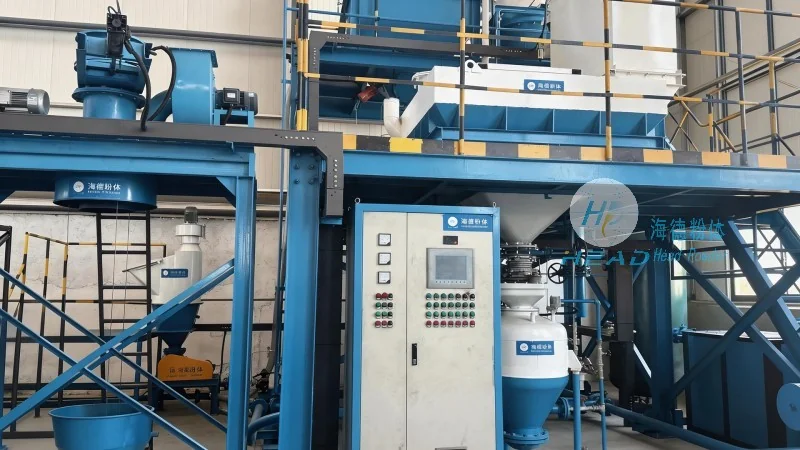
A gypsum fly ash pneumatic conveying system is a type of material handling equipment designed to transport dry powders, specifically gypsum and fly ash, from one location to another using a pressurized or vacuum air stream. This technology is widely used in industries such as power generation, construction materials, and waste management due to its ability to handle abrasive and fine powders without the need for mechanical components like belts or buckets. The system typically consists of several key components, including a material feeder, conveying pipelines, a separation unit, and an air source, all working in tandem to ensure efficient and safe material transport.
Key Components and Design Principles
The design of a gypsum fly ash pneumatic conveying system is based on the principles of fluid dynamics and particle transport. The primary components include:
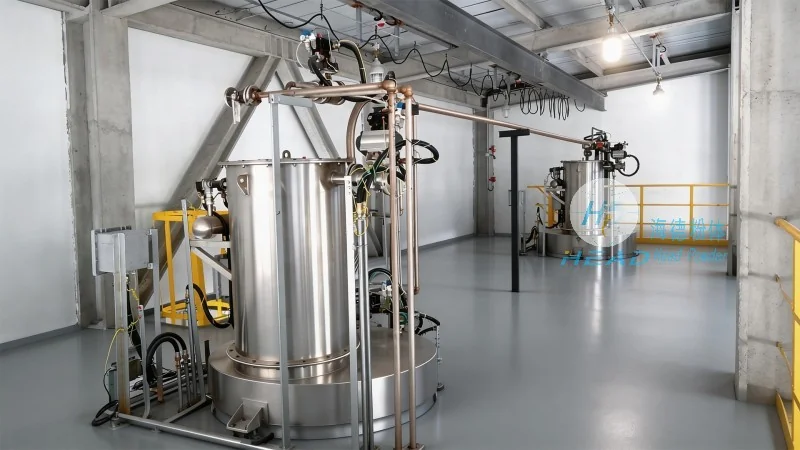
- Material Feeder: This component is responsible for feeding the gypsum or fly ash into the conveying system. It can be a rotary valve, a star feeder, or a pressure feeder, depending on the material characteristics and flow requirements. The feeder ensures a consistent and controlled flow of material into the system.
- Conveying Pipelines: The pipelines are made of materials resistant to corrosion and abrasion, such as stainless steel or plastic, to withstand the harsh conditions of gypsum and fly ash. The design of the pipelines, including the diameter and length, is critical as it affects the pressure drop and the velocity of the air-particle mixture.
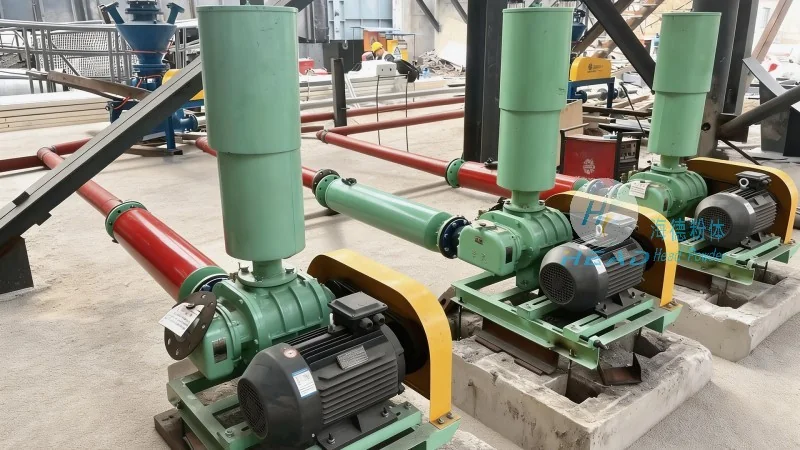
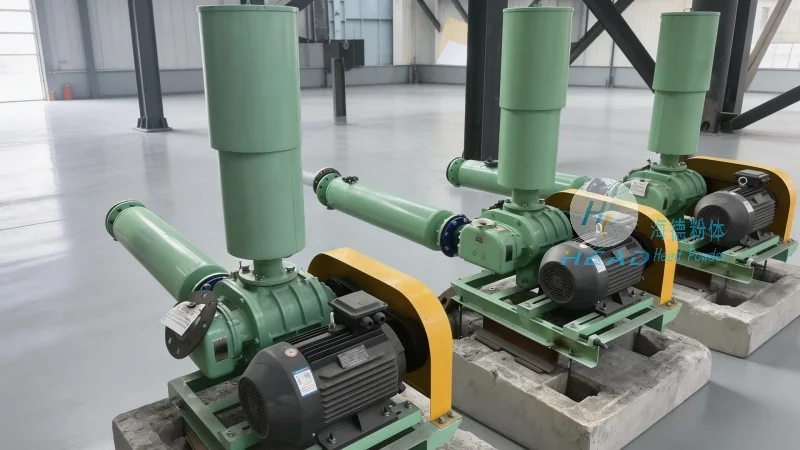
- Air Source and Control System: The air source, usually a blower or a vacuum pump, provides the necessary pressure or vacuum to move the material through the pipelines. The control system regulates the air flow and pressure to maintain optimal conveying conditions, preventing issues like blockages or excessive energy consumption.
- Separation Unit: At the end of the conveying line, a separation unit, such as a cyclone or a bag filter, separates the material from the air stream. This unit collects the powder and returns it to the process or storage, while the cleaned air is discharged back into the environment.
Design principles for these systems involve calculating the necessary air velocity and pressure to achieve efficient transport. The air velocity must be high enough to keep the particles suspended but not so high as to cause excessive wear on the equipment or high energy consumption. The pressure drop along the pipeline is also a critical factor, as it determines the power required by the air source. Engineers use computational fluid dynamics (CFD) and empirical formulas to optimize the system design and ensure reliable operation.
Application in Gypsum and Fly Ash Handling
In power plants, gypsum fly ash pneumatic conveying systems are used to transport fly ash from the boiler to storage silos or to other processing facilities. This allows for the efficient removal of ash, reducing the need for manual handling and improving safety. In the construction industry, gypsum is often used in wallboard production, and pneumatic conveying systems help in transporting the raw gypsum from storage to the manufacturing line. The systems are also used in waste management facilities to handle fly ash from incineration processes, ensuring proper disposal and utilization of the material.
Company Profile: Shandong HeadPowder Engineering Co., Ltd.
Shandong HeadPowder Engineering Co., Ltd., a leading manufacturer based in Shandong, China, specializes in the design, manufacturing, and installation of pneumatic conveying systems for various industrial applications. With years of experience in the field, the company has developed advanced solutions tailored to the unique challenges of handling gypsum and fly ash. The company's team of engineers and technicians leverages cutting-edge technology and rigorous testing to ensure that their systems meet the highest standards of efficiency, reliability, and safety. Located in Shandong, China, the company serves clients globally, providing customized solutions that enhance productivity and reduce operational costs in material handling processes.




