Shandong HeadPowder Engineering Co., Ltd., a leading manufacturer in the field of pneumatic conveying technology, specializes in providing advanced solutions for cotton handling and transportation. Based in Shandong, China, the company has established itself as a trusted partner for industries requiring efficient and reliable cotton processing equipment. This article delves into the fundamental principles behind cotton pneumatic conveying systems, highlighting the technical aspects and operational efficiency that define modern cotton handling solutions.
Overview of Cotton Pneumatic Conveying Systems
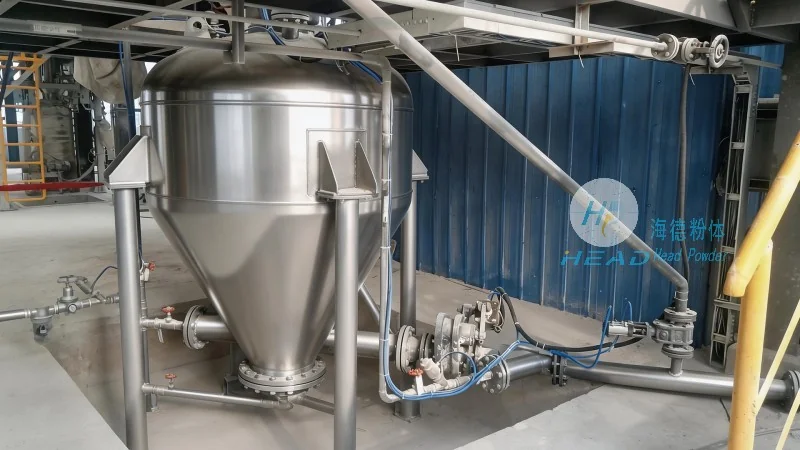
Cotton pneumatic conveying equipment is designed to transport cotton and related materials through a pipeline using air or gas as the conveying medium. Unlike traditional mechanical conveyors, which rely on mechanical components like belts or buckets, pneumatic systems utilize the force of air to move material, offering advantages such as reduced wear and tear, lower maintenance costs, and the ability to handle a wide range of material types, including fine powders and bulk materials. The core components of a typical cotton pneumatic conveying system include a hopper for material storage, a feeder to control the flow rate, a conveying line (often equipped with bends and valves), and a receiver for the delivered material. The system operates by creating a pressure differential between the inlet and outlet of the conveying line, which draws the cotton material into the pipeline and propels it to the destination.
Key Components and Their Functions
The effectiveness of a cotton pneumatic conveying system depends on the proper integration and functionality of its key components. The hopper serves as the initial storage unit, where raw cotton is loaded and held before being fed into the system. The feeder, which can be a rotary valve, screw feeder, or other type of metering device, regulates the flow of cotton into the conveying line, ensuring a consistent and controlled rate of material transport. The conveying line itself is typically made of stainless steel or other corrosion-resistant materials to withstand the abrasive nature of cotton fibers and the effects of moisture. Bends and elbows are strategically placed within the line to direct the material flow while minimizing pressure loss. Valves, such as gate valves or check valves, are used to control the flow direction and prevent backflow, ensuring the system operates smoothly and safely. The receiver, or discharge hopper, collects the cotton at the end of the conveying line, completing the material transfer process.
The Working Principle of Pneumatic Conveying
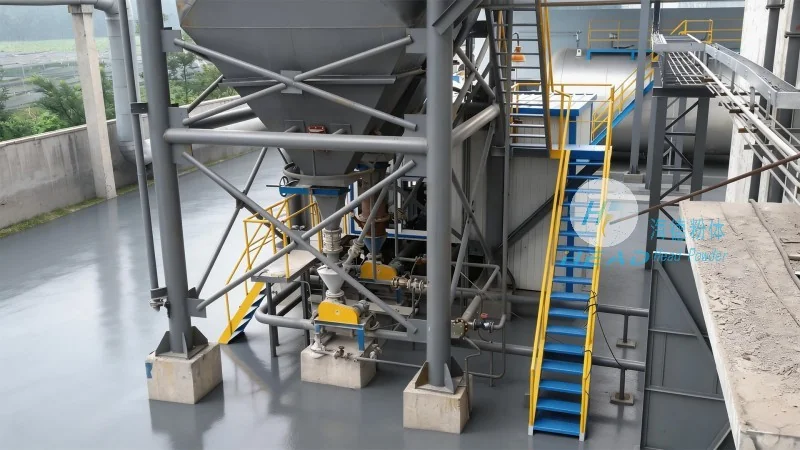
The fundamental principle of cotton pneumatic conveying is the creation of a vacuum or pressure differential within the conveying line. In a vacuum system, the fan or blower creates a low-pressure environment at the inlet of the line, which draws the cotton material into the pipeline as air flows through. The material is then carried along by the air stream until it reaches the receiver, where the pressure is higher, causing the material to settle out. In a pressure system, the fan or blower supplies high-pressure air into the line, pushing the cotton material forward. Both systems rely on the velocity of the air to keep the material suspended and prevent it from settling or clogging the line. The velocity of the air must be sufficient to overcome the gravitational force of the material and maintain a stable flow, which is typically achieved by adjusting the air volume and the diameter of the conveying line. The choice between vacuum and pressure systems depends on factors such as the distance to be covered, the material characteristics, and the desired flow rate. For long-distance or high-capacity applications, pressure systems are often preferred due to their higher conveying efficiency and ability to handle larger volumes of material.
Advantages of Cotton Pneumatic Conveying Equipment
Compared to traditional mechanical conveyors, cotton pneumatic conveying systems offer several significant advantages that make them ideal for modern cotton processing operations. One of the primary benefits is the reduction in material handling time and labor costs. By automating the transportation process, the system minimizes the need for manual handling, which not only improves efficiency but also enhances workplace safety by reducing the risk of injuries associated with lifting and moving heavy or bulky cotton bales. Another key advantage is the improved hygiene and cleanliness of the process. Pneumatic systems are enclosed, preventing dust and contaminants from entering the workspace and ensuring that the cotton remains free from external pollutants. This is particularly important in industries where product quality and purity are critical, such as textile manufacturing. Additionally, pneumatic conveying systems are highly flexible and can be easily integrated into existing production lines. They can be configured to handle multiple material types, change direction, or adjust flow rates as needed, providing versatility that is difficult to achieve with fixed mechanical systems. The low maintenance requirements of pneumatic systems also contribute to cost savings over the long term. Since there are no moving parts in direct contact with the material (except for the feeder and hopper components), the risk of wear and tear is minimized, reducing the frequency of repairs and replacements.
Applications in Cotton Processing
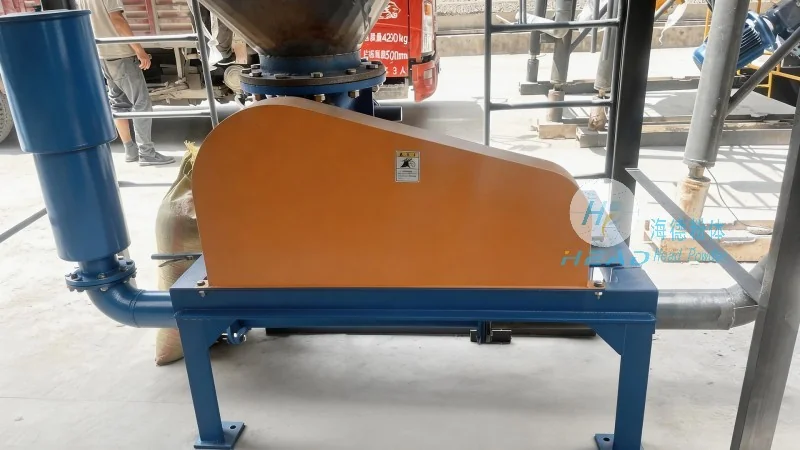
Cotton pneumatic conveying equipment is widely used in various stages of cotton processing, from raw material handling to finished product delivery. In the initial stages, the system is used to transport raw cotton from storage silos or bales to the processing plant. This allows for efficient and dust-free transfer of large quantities of cotton, ensuring that the material reaches the next stage of processing in optimal condition. During the processing stage, pneumatic conveyors are used to move cotton through various machines, such as cleaners, pickers, and bale openers. The ability to handle fine fibers and maintain consistent flow rates is crucial in these operations, as it helps to prevent material buildup and ensure smooth machine operation. In the final stages, the system transports processed cotton to storage areas or packaging facilities, where it is prepared for distribution to textile manufacturers. The reliability and efficiency of pneumatic conveying systems make them an essential component of modern cotton processing facilities, enabling businesses to operate at optimal levels and meet the demands of the textile industry.
Conclusion
Shandong HeadPowder Engineering Co., Ltd. continues to innovate in the development of cotton pneumatic conveying equipment, providing cutting-edge solutions that enhance the efficiency and productivity of cotton processing operations. By understanding the fundamental principles of pneumatic conveying and leveraging advanced technology, the company ensures that its products meet the highest standards of performance and reliability. With a strong presence in the industry and a commitment to customer satisfaction, HeadPowder remains a leading provider of cotton handling solutions, helping businesses in the textile sector achieve their operational goals and maintain a competitive edge in the global market.




