HeadPowder, a leading provider in the field of material handling solutions, specializes in the design, manufacturing, and installation of advanced pneumatic conveying systems. With a strong presence in Shandong, China, the company has established itself as a trusted partner for industries requiring efficient and reliable transport of caustic soda and other bulk materials. This article delves into the fundamental principles behind the caustic soda pneumatic conveying system, highlighting its operational mechanisms, key components, and the technical advantages it offers to modern industrial processes.
Introduction to Caustic Soda Pneumatic Conveying Systems
Caustic soda, also known as sodium hydroxide (NaOH), is a highly caustic and corrosive chemical widely used in various industrial applications, including chemical manufacturing, paper production, and water treatment. The safe and efficient transportation of caustic soda from storage to processing units is critical to ensure operational safety and maintain product quality. Pneumatic conveying systems provide an effective solution by utilizing air or other gases to move bulk materials through a pipeline network. This method eliminates the need for mechanical components like conveyors or elevators, reducing maintenance costs and minimizing the risk of material contamination.
Core Principles of Pneumatic Conveying
The fundamental principle of pneumatic conveying is the use of differential pressure to move material particles suspended in a gas stream. In a caustic soda pneumatic system, the process typically involves a combination of pressure and vacuum stages. The system operates by creating a pressure differential between the material feed point and the discharge point. At the feed end, a blower or compressor generates high-pressure air, which is mixed with the caustic soda powder to form a slurry. This slurry is then propelled through the pipeline to the destination point. The system may also incorporate vacuum stages to return excess air or to convey materials from lower to higher elevations, ensuring flexibility in material handling.
Key Components and Their Functions
A caustic soda pneumatic conveying system consists of several critical components, each playing a vital role in the overall operation. The main components include:
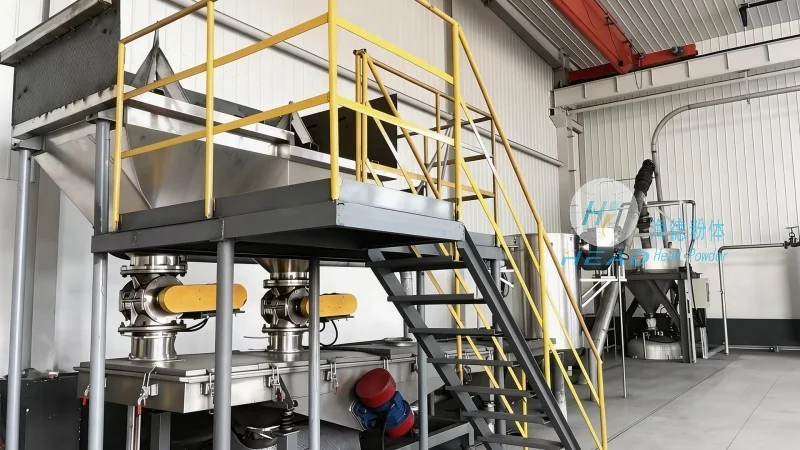
1. Feeder Unit: This component is responsible for accurately metering the caustic soda powder into the conveying line. The feeder ensures a consistent flow rate, which is crucial for maintaining system efficiency and preventing material buildup or blockages. Different types of feeders, such as rotary valves or screw feeders, are used depending on the material characteristics and system requirements.
2. Conveying Pipeline: The pipeline serves as the main pathway for transporting the caustic soda slurry. It is typically made of corrosion-resistant materials like stainless steel or special alloys to withstand the harsh chemical environment of caustic soda. The pipeline design considers factors such as material flow velocity, pressure drop, and system layout to ensure smooth and efficient transport.
3. Blower or Compressor: The air-moving device provides the necessary pressure to propel the material through the pipeline. The choice between a positive displacement blower and a centrifugal compressor depends on the system's capacity and pressure requirements. The blower generates a consistent airflow, while the compressor can handle higher pressures for long-distance or high-elevation conveying.
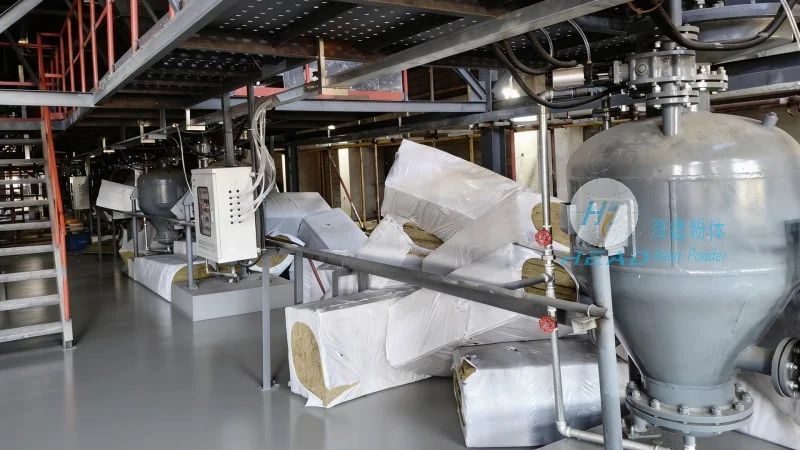
4. Separation and Cleaning Equipment: At the discharge end, the system includes equipment to separate the caustic soda from the air stream. This may involve cyclone separators or filters that collect the material and return it to the process. The air, now free of particles, is either vented or recirculated back into the system to improve energy efficiency.
Advantages of Caustic Soda Pneumatic Conveying Systems
Implementing a pneumatic conveying system for caustic soda offers several advantages over traditional material handling methods. These benefits include:
1. Enhanced Safety: By eliminating manual handling of caustic soda, the system reduces the risk of chemical exposure and accidents. The enclosed pipeline design prevents dust emissions and minimizes the potential for spills or leaks.
2. Improved Efficiency: Pneumatic conveying systems can handle high material throughput rates with minimal downtime. The continuous operation and automated feeding mechanisms ensure consistent production flow, leading to increased productivity.
3. Reduced Maintenance Costs: Unlike mechanical conveyors, which require regular maintenance for moving parts, pneumatic systems have fewer components that wear out. The absence of belts, chains, or rollers reduces the frequency of repairs and extends the system's lifespan.
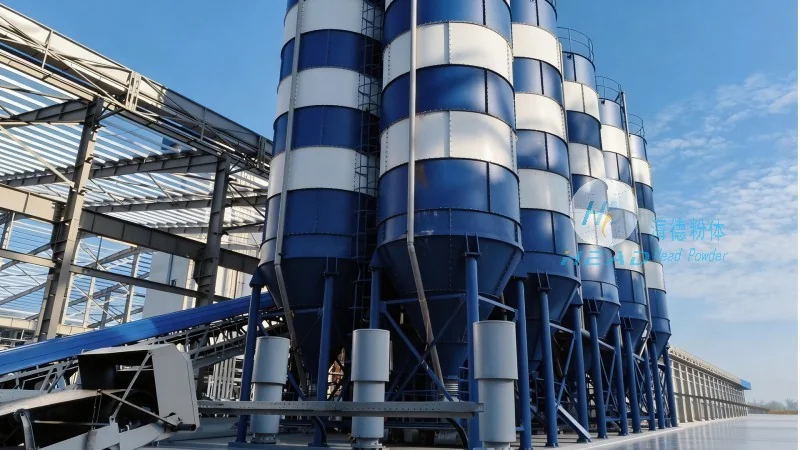
4. Flexibility in Layout: The modular design of pneumatic conveying systems allows for easy integration into existing industrial layouts. The pipeline can be configured in various shapes and orientations, enabling the system to adapt to different plant structures and material flow paths.
Applications and Industries
The caustic soda pneumatic conveying system is widely used across various industries due to its adaptability and efficiency. Key applications include:
1. Chemical Manufacturing: In chemical plants, the system is used to transport caustic soda between reactors, storage tanks, and processing units. This ensures a steady supply of raw material for chemical synthesis and production.
2. Paper and Pulp Industry: Caustic soda is a critical chemical in the pulping process, and pneumatic conveying systems efficiently deliver it to digesters and other processing equipment. The system's ability to handle large volumes and maintain product purity is essential for high-quality paper production.
3. Water Treatment: In water treatment facilities, caustic soda is used for pH adjustment and chemical precipitation. The pneumatic system ensures safe and reliable delivery of the chemical to treatment tanks, contributing to effective water purification.
Conclusion
HeadPowder Engineering Co., Ltd., based in Shandong, China, specializes in providing advanced caustic soda pneumatic conveying systems that adhere to the highest standards of safety, efficiency, and reliability. By leveraging the core principles of pneumatic conveying, the company's solutions help industries streamline their material handling processes, reduce operational costs, and enhance overall productivity. The integration of robust components and innovative design ensures that these systems meet the demanding requirements of modern industrial applications, making them a preferred choice for caustic soda transport in various sectors.




