When discussing the components of a pneumatic coke conveying system, it's essential to understand the integrated approach taken by industry leaders like Shandong HeadPowder Engineering Co., Ltd. Based in Shandong, China, this company specializes in the design, manufacturing, and installation of advanced material handling solutions for various industrial applications. The pneumatic conveying of coke, a critical process in the steel and metallurgical industries, relies on a combination of specialized equipment and engineering expertise to ensure efficient and reliable operation.
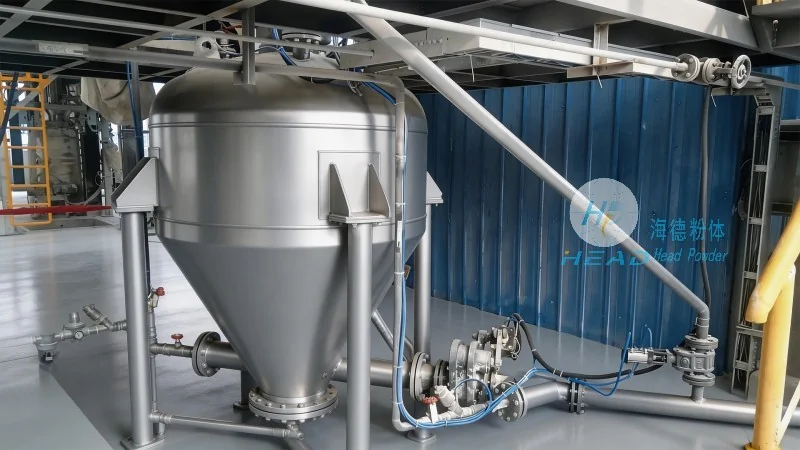
Core Components of Pneumatic Coke Conveying Systems
The pneumatic conveying of coke typically involves several key components that work in tandem to transport coke from its source to the desired destination. These components are carefully selected and integrated to optimize performance, minimize energy consumption, and ensure the safety of the system. The primary elements include the feed hopper, which serves as the initial storage and feeding mechanism for the coke. This component is designed to handle the bulk material and regulate the flow rate into the conveying line, preventing blockages and ensuring consistent operation.
Next in the system is the conveyor itself, which can be categorized into different types based on the conveying principle. For coke, the most common types include dilute phase and dense phase systems. Dilute phase systems use low pressure and high velocity air to transport the material in a dispersed state, while dense phase systems employ higher pressure and lower velocity to move the material in a more concentrated form. The choice between these systems depends on factors such as the distance to be covered, the required flow rate, and the nature of the coke being conveyed. Both systems require a blower or compressor to generate the necessary air pressure, which is a critical component for the overall operation.
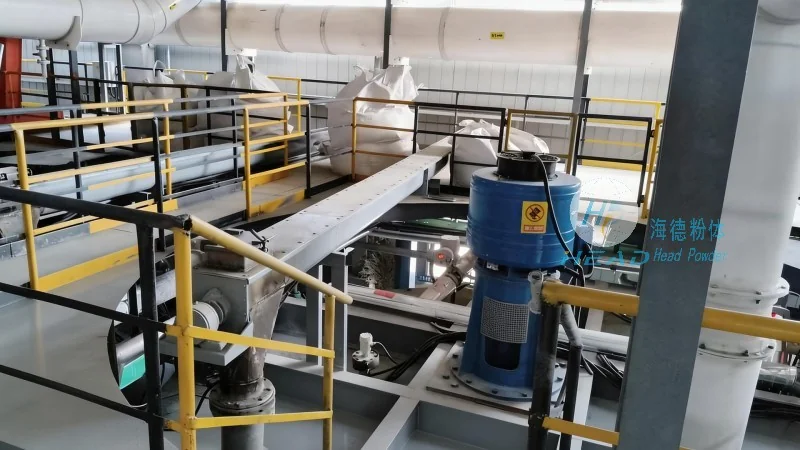
Key Equipment and Their Functions
Within the pneumatic conveying system, several specialized pieces of equipment are essential for efficient operation. The blower or compressor is responsible for generating the air flow that propels the coke particles through the pipeline. These units are typically designed to handle the specific air volume and pressure requirements of coke conveying, ensuring that the material is transported without excessive wear or degradation. Additionally, the pipeline system, which consists of steel or plastic pipes, must be properly sized and supported to accommodate the flow of coke and air. Proper pipe sizing is crucial to maintain the desired velocity and pressure within the system, preventing clogging and ensuring smooth material transport.
Another critical component is the separation or collection equipment, which is used to separate the coke from the air at the receiving end of the system. This may include cyclones, filters, or other separation devices that are designed to capture the coke particles while allowing the air to be recycled or discharged. The efficiency of these separation units directly impacts the overall performance of the system, as any loss of material can lead to operational inefficiencies and increased costs. Furthermore, the system may include additional components such as check valves, which prevent backflow of material, and pressure relief valves, which protect the system from overpressure conditions.
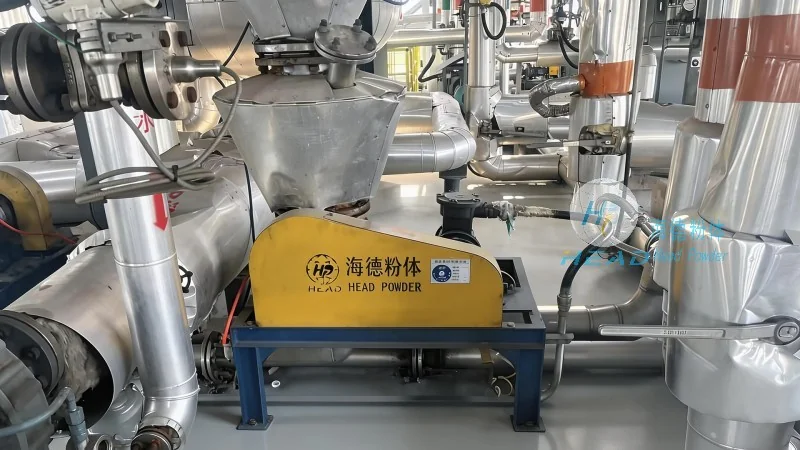
Material Handling Considerations for Coke Conveying
When designing a pneumatic coke conveying system, several material handling considerations must be taken into account to ensure optimal performance. The properties of coke, such as its density, size distribution, and moisture content, play a significant role in determining the appropriate conveying method and equipment. For example, larger or more abrasive coke particles may require a dense phase system to prevent excessive wear on the pipeline and equipment. The system must also be designed to handle variations in coke feed rate, as fluctuations can impact the system's stability and efficiency. Proper maintenance of the components, including regular cleaning of the pipeline and replacement of worn parts, is essential to maintain the system's performance over time.
Shandong HeadPowder Engineering Co., Ltd. leverages its expertise in material handling engineering to design and implement customized pneumatic coke conveying solutions that meet the specific needs of their clients. By integrating the latest technologies and adhering to industry best practices, the company ensures that its systems are reliable, efficient, and cost-effective. The components of a pneumatic coke conveying system, when properly selected and integrated, form a robust and effective solution for transporting coke in industrial settings. From the initial feed hopper to the final separation equipment, each component plays a vital role in the overall operation, and the expertise of companies like HeadPowder is crucial in optimizing these systems for maximum performance.




