For industrial applications involving the handling and transportation of titanium ore powder, the design and implementation of efficient pneumatic conveying systems are critical. These systems rely on a combination of structural components that work in harmony to ensure reliable, safe, and cost-effective material transport. This article explores the primary structures that constitute modern pneumatic conveying systems for titanium ore powder, highlighting the key elements that contribute to their performance and reliability.
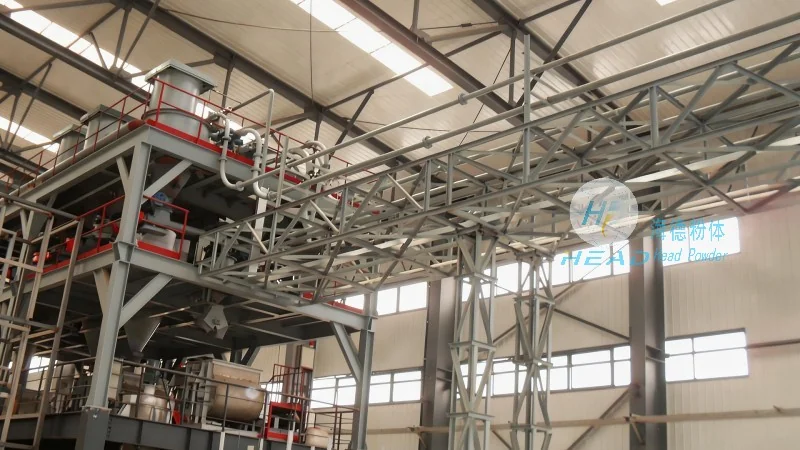
Core Components of Pneumatic Conveying Systems
The foundation of any pneumatic conveying system for titanium ore powder lies in its core components. These include the material feed hopper, which is responsible for storing and metering the powder, and the air supply system, which generates the necessary pressure or vacuum to move the material. The feed hopper is typically equipped with a rotary valve or a star valve to control the flow of powder into the conveying line, ensuring consistent and controlled discharge. The air supply system may consist of a blower or a vacuum pump, depending on the system's design and the required conveying pressure. Proper selection and maintenance of these components are essential for optimal system performance.
Pneumatic Conveying Pipeline Structures
The pipeline is the central structure of the conveying system, responsible for transporting the titanium ore powder from the feed point to the discharge point. The choice of pipeline material is crucial, as it must withstand the abrasive nature of the powder and the pressure differentials within the system. Common materials include stainless steel, aluminum, or plastic, with stainless steel being the most prevalent due to its durability and resistance to corrosion. The pipeline design may vary, including straight lines, bends, or vertical sections, each requiring specific considerations for pressure drop and flow efficiency. For example, elbows and tees are used to change the direction of the flow, while vertical risers are employed to lift the material vertically. The pipeline must also be equipped with appropriate supports and clamps to maintain structural integrity and prevent sagging or vibration.
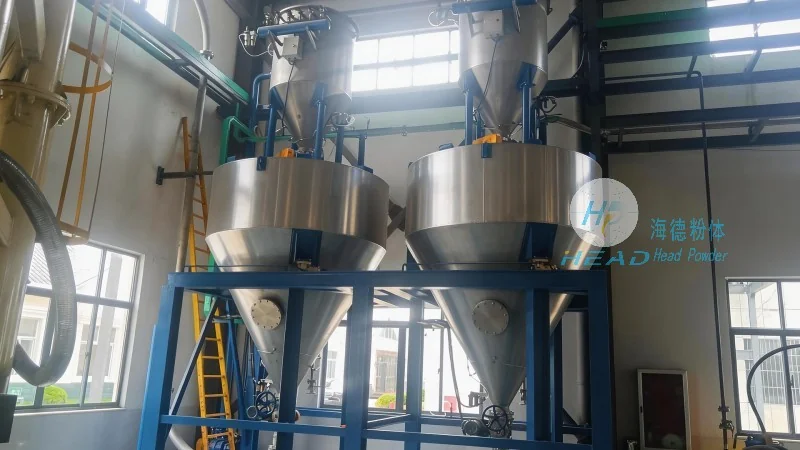
Control and Monitoring Structures
Effective control and monitoring structures are vital for the safe and efficient operation of pneumatic conveying systems. These components include pressure sensors, flow meters, and control valves that allow operators to regulate the air pressure and material flow in real-time. Pressure sensors are installed at key points in the pipeline to monitor the system's pressure levels, while flow meters provide insights into the material's velocity and volume. Control valves, such as butterfly or ball valves, are used to adjust the air supply or material feed, enabling precise control over the conveying process. Additionally, safety structures like pressure relief valves and explosion-proof components are integrated to prevent over-pressurization and ensure compliance with safety regulations. These control and monitoring structures enhance the system's reliability and allow for quick adjustments in response to changes in material properties or operational conditions.
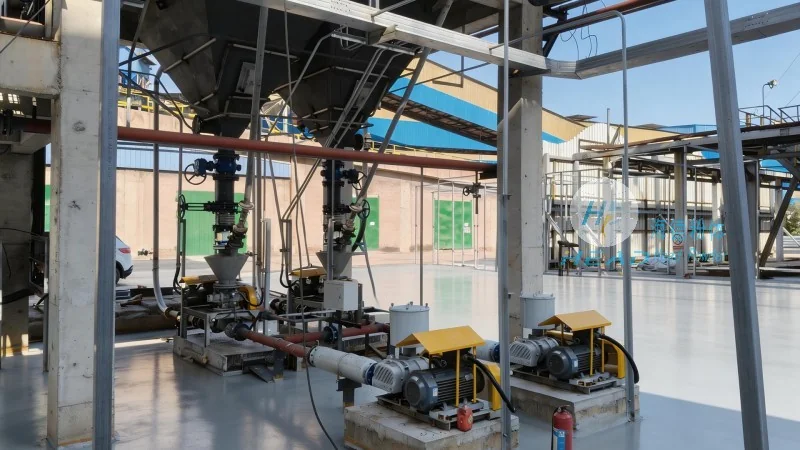
Discharge and Collection Structures
The final stage of the pneumatic conveying process involves the discharge and collection of the titanium ore powder. The discharge structure typically includes a receiving hopper or a silo that collects the material after it has been conveyed. The design of the discharge hopper is critical to prevent material buildup and ensure smooth discharge. It may be equipped with a rotary valve or a gate valve to control the outflow of the powder. For applications requiring further processing, the discharge structure may connect to a downstream system, such as a storage tank or a processing unit. The collection structure must be designed to minimize dust emissions and ensure environmental compliance. Dust collection systems, such as bag filters or cyclones, are often integrated to capture any airborne particles and prevent pollution. Proper sealing and maintenance of the discharge and collection structures are essential to maintain the system's efficiency and prevent material loss.
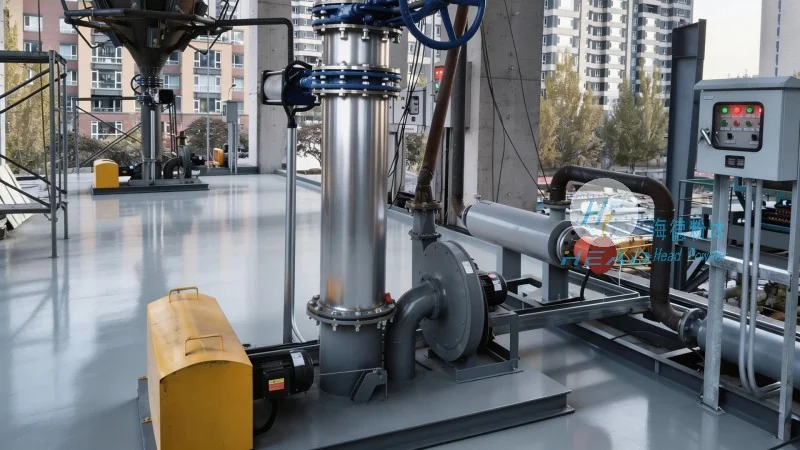
System Integration and Customization
Modern pneumatic conveying systems for titanium ore powder are often integrated with other industrial equipment, such as mixers, classifiers, or drying units, to form a comprehensive material handling solution. The integration of these systems requires careful planning and coordination to ensure seamless operation. Customization is another key aspect, as each application may have unique requirements, such as varying powder characteristics, conveying distances, or environmental constraints. Companies specializing in pneumatic conveying, like Shandong HeadPowder Engineering Co., Ltd., offer tailored solutions that address these specific needs. Their expertise in designing and manufacturing custom structures ensures that the system is optimized for the particular application, maximizing efficiency and minimizing operational costs.
By understanding and implementing the key structures of pneumatic conveying systems, industries handling titanium ore powder can achieve reliable and efficient material transport. The combination of robust components, well-designed pipelines, effective control mechanisms, and proper discharge and collection structures forms the backbone of a successful system. As technology advances, the development of more sophisticated structures continues to improve the performance and sustainability of pneumatic conveying systems, making them an essential part of modern material handling operations.




