Shandong HeadPowder Engineering Co., Ltd., commonly known as HeadPowder, specializes in the development and implementation of advanced solutions for phosphate fertilizer powder handling and transportation. With a focus on precision engineering and efficient material flow management, the company provides comprehensive technical parameters and process solutions tailored to the unique characteristics of phosphate powders. This article outlines the key technical specifications and the systematic approach to the conveying system process, ensuring optimal performance and reliability in industrial applications.
Company Overview and Expertise
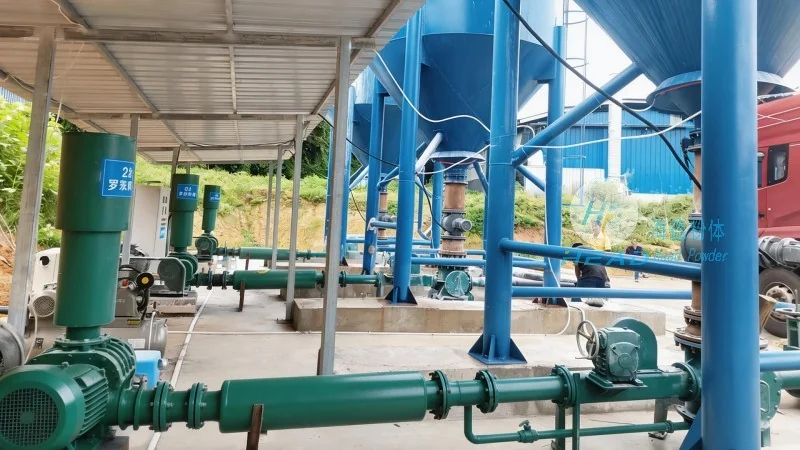
HeadPowder, headquartered in Shandong, China, is a leading engineering firm dedicated to delivering high-quality equipment and systems for the fertilizer industry. The company's expertise lies in understanding the complex properties of phosphate powders, such as particle size distribution, moisture content, and flowability, which are critical factors influencing the design and operation of conveying systems. By leveraging years of experience and technical innovation, HeadPowder has established itself as a trusted partner for clients seeking reliable solutions for phosphate powder handling.
Technical Parameters of Phosphate Powder
The technical parameters of phosphate powder are fundamental to the selection and optimization of conveying systems. Key parameters include particle size, bulk density, moisture content, and angle of repose. These characteristics directly impact the flow behavior and the efficiency of material transport. For instance, phosphate powders typically have a particle size ranging from 0.1 to 2 millimeters, with a bulk density of approximately 0.8 to 1.2 g/cm³. The moisture content is usually controlled below 1% to prevent caking and ensure consistent flow. The angle of repose, which measures the powder's resistance to flow, is often around 30 to 45 degrees. Understanding these parameters allows engineers to choose appropriate equipment, such as screw conveyors, pneumatic conveyors, or bucket elevators, that can handle the specific properties of the phosphate powder without compromising performance.
Conveying System Process Design
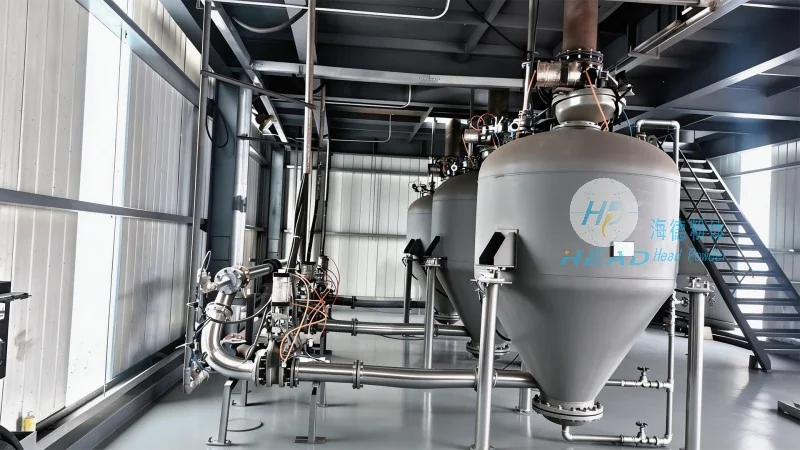
The conveying system process for phosphate powder involves a series of integrated components designed to ensure smooth and efficient material transport from storage to processing or packaging. The process typically begins with the storage of raw phosphate powder in silos or hoppers, where the material is held under controlled conditions to maintain its quality. From the storage silos, the powder is transferred to the conveying system through feeders, which regulate the flow rate and prevent overloading. The conveying equipment, such as screw conveyors or pneumatic pipelines, then transports the powder to the next stage of the production line. In some cases, the system may include intermediate storage or blending units to adjust the powder's composition before further processing. The design of the conveying system takes into account factors like the powder's flowability, the required capacity, and the overall system layout to minimize energy consumption and maximize operational efficiency.
Key Components and Their Functions
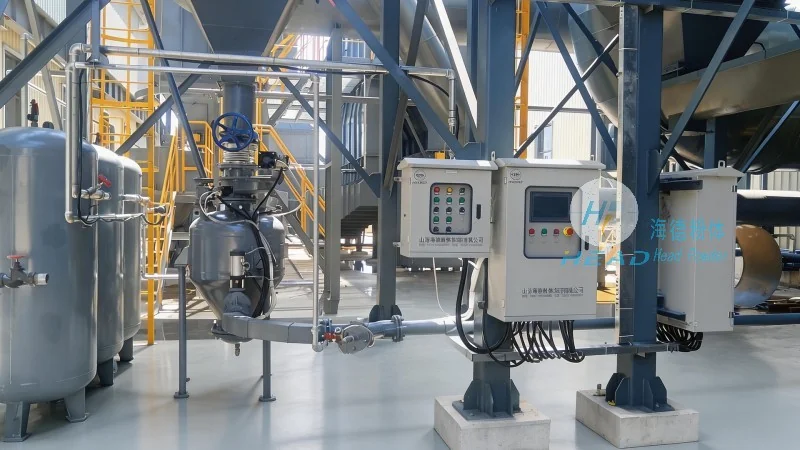
Several key components are integral to the effective operation of the phosphate powder conveying system. The first is the feed hopper, which provides a uniform flow of material to the conveying equipment. The feed hopper is equipped with a gate or valve to control the discharge rate and prevent material buildup. The second component is the conveying device itself, which can be either mechanical (e.g., screw conveyors) or pneumatic (e.g., air slides or pressure conveyors). Screw conveyors are commonly used for horizontal or slight incline transport due to their ability to handle a wide range of particle sizes and prevent clogging. Pneumatic conveyors, on the other hand, are suitable for long-distance transport and can handle fine powders with high efficiency. The third component is the dust collection system, which is essential to maintain air quality and prevent dust contamination. This system typically includes filters and cyclones to capture and remove fine particles from the air stream. Additionally, the system may include a control panel that monitors the flow rate, pressure, and other parameters to ensure optimal operation and detect any potential issues.
Process Optimization and Maintenance
Optimizing the conveying system process is crucial for maintaining high efficiency and minimizing downtime. Regular maintenance of the conveying equipment is essential to prevent wear and tear and ensure consistent performance. This includes checking the condition of the screw blades or conveyor belts, cleaning the hopper and pipelines to prevent caking, and inspecting the dust collection system for blockages. Additionally, the system should be monitored for any changes in the phosphate powder's properties, such as increased moisture content or changes in particle size, which may affect the flow behavior. Adjustments to the system parameters, such as the feed rate or conveyor speed, may be necessary to accommodate these changes and maintain optimal performance. By implementing a proactive maintenance schedule and continuous monitoring, HeadPowder ensures that the conveying system operates at peak efficiency, reducing energy consumption and extending the lifespan of the equipment.
Application and Industry Impact
The conveying system process for phosphate powder plays a vital role in the overall production of phosphate fertilizers, which are essential for agricultural productivity. By ensuring efficient and reliable transport of phosphate powders, the system contributes to the smooth operation of the production line and helps meet the growing demand for high-quality fertilizers. The advanced technology and engineering solutions provided by HeadPowder have enabled clients to improve their production efficiency, reduce operational costs, and enhance product quality. The company's commitment to innovation and customer satisfaction has made it a preferred choice for businesses in the fertilizer industry, helping them stay competitive in a dynamic market.




