Hydrogen chloride (HCl) is a highly corrosive and hazardous chemical widely used in various industrial processes, such as chemical manufacturing, pharmaceutical production, and metal processing. The safe and efficient transportation of HCl from storage to processing units is crucial for industrial operations. Pneumatic conveying systems offer a reliable solution for handling HCl, providing advantages like minimal exposure to personnel, reduced risk of spills, and improved process control. This article explores the different types of HCl pneumatic conveying systems, their key features, and the typical application ranges where they are most effective.
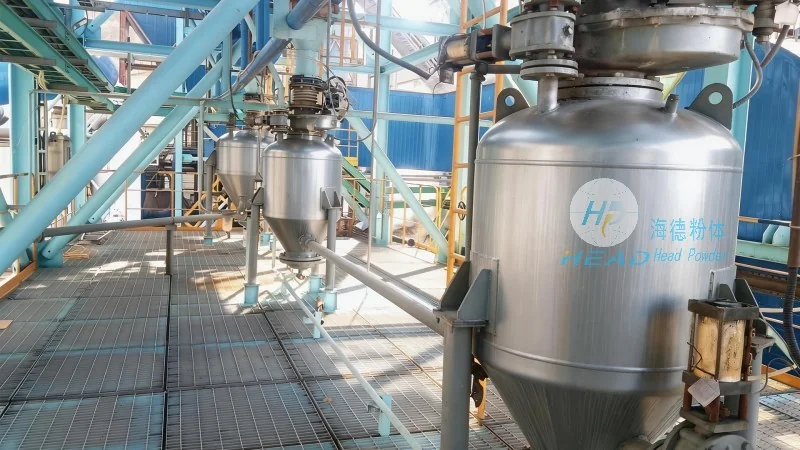
Types of Hydrogen Chloride Pneumatic Conveying
There are primarily two main categories of pneumatic conveying systems used for HCl: dilute-phase and dense-phase systems. Each type has distinct characteristics and is suited for different operational conditions.
Dilute-Phase Pneumatic Conveying
Dilute-phase systems are characterized by the movement of particles suspended in a high-velocity air stream. In this method, HCl is carried through the pipeline as a fine mist or aerosol, with the gas velocity typically exceeding the settling velocity of the particles. This type of system is commonly used for short to medium distance conveying (usually up to 100 meters) and for low to moderate flow rates. The key advantages of dilute-phase conveying include lower pressure drops, lower capital costs, and suitability for handling fine powders. However, it may not be ideal for long-distance or high-density applications due to the risk of particle deposition and the need for efficient separation at the receiving end.
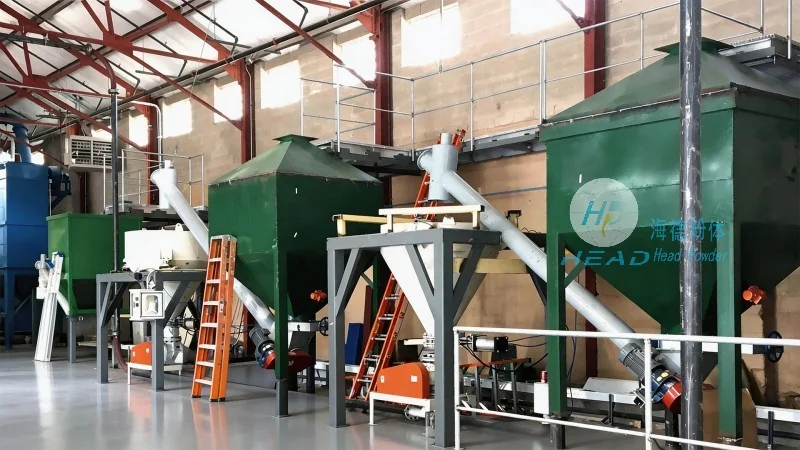
Dense-Phase Pneumatic Conveying
Dense-phase systems, also known as low-velocity or pressure-pulse systems, transport HCl as a dense slurry or plug flow. The particles are conveyed at a much lower velocity compared to dilute-phase systems, often using a combination of compressed air and sometimes steam to maintain the flow. This method is particularly effective for long-distance conveying (up to several hundred meters) and for handling high-density or abrasive materials. Dense-phase conveying offers better control over the material flow, reduces the risk of product degradation, and minimizes the need for downstream separation equipment. It is often preferred in applications where the HCl is sensitive to high velocities or where precise dosing is required.
Key Features of Hydrogen Chloride Pneumatic Conveying Systems
Regardless of the type, modern HCl pneumatic conveying systems share several critical features designed to ensure safety, efficiency, and durability. These features include:
Corrosion-Resistant Materials
Given the highly corrosive nature of HCl, all components of the conveying system—including pipes, valves, and pumps—must be constructed from materials that can withstand prolonged exposure to the chemical. Common materials include stainless steel (such as 316L), Hastelloy, and special alloys designed for acid resistance. The selection of materials is critical to prevent leaks, contamination, and equipment failure, which could lead to safety hazards or production disruptions.
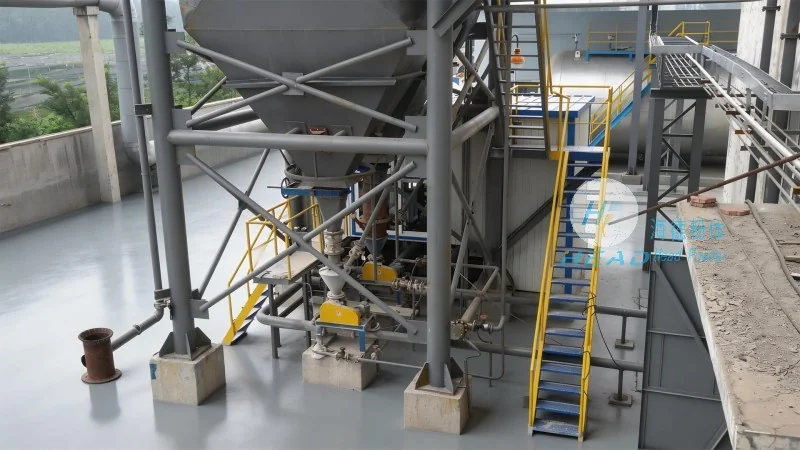
Sealed and Enclosed Systems
Hydrogen chloride is a toxic and hazardous gas, and any system handling it must be fully sealed and enclosed to prevent leaks into the environment. The design includes tight-fitting connections, pressure relief valves, and monitoring systems to detect any potential leaks. Enclosed systems also help in maintaining the integrity of the HCl and preventing cross-contamination with other materials. This feature is essential for compliance with environmental regulations and for protecting the health and safety of personnel.
Advanced Control and Monitoring
Modern pneumatic conveying systems for HCl are equipped with sophisticated control systems that allow for precise regulation of flow rates, pressure, and temperature. Sensors and transmitters are used to monitor key parameters such as pressure, flow, and temperature in real-time. This enables operators to adjust the system settings dynamically, ensuring optimal performance and preventing overloading or underloading. The control systems also include alarms and safety interlocks to shut down the system in case of abnormal conditions, such as excessive pressure or temperature.
Application Ranges of Hydrogen Chloride Pneumatic Conveying
The application range of HCl pneumatic conveying systems is broad and depends on factors such as the distance to be covered, the flow rate required, the particle size and density of the HCl, and the specific industrial process. Dilute-phase systems are typically used for short to medium distances and low to moderate flow rates, making them suitable for applications like transferring HCl from storage tanks to reactors in chemical plants. Dense-phase systems, on the other hand, are preferred for long-distance conveying and high-density applications, such as transporting HCl from a production facility to a storage site or to a neighboring plant.
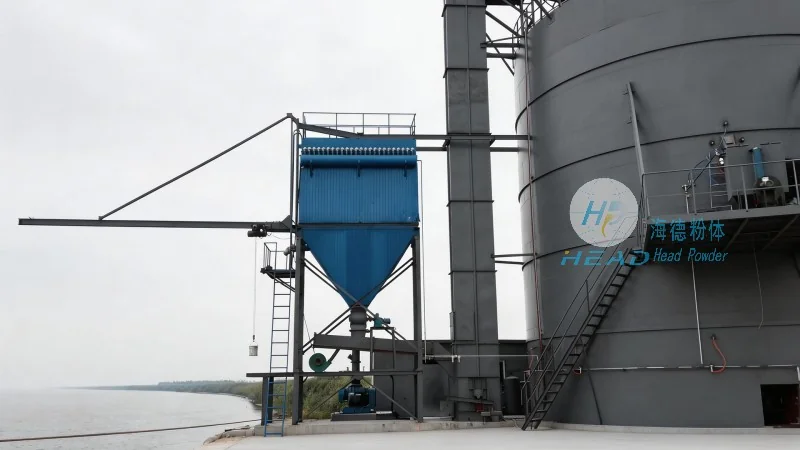
Industrial Applications
Hydrogen chloride pneumatic conveying systems are widely used in various industrial sectors. In the chemical industry, they are essential for transporting HCl to reactors for the production of chlorinated compounds, such as PVC, solvents, and pharmaceutical intermediates. In the pharmaceutical sector, the systems are used to handle HCl in the manufacturing of active pharmaceutical ingredients (APIs) and other chemical products. The metal processing industry also utilizes HCl pneumatic conveying for pickling and cleaning operations, where the chemical is used to remove rust and scale from metal surfaces. Additionally, in the food and beverage industry, HCl is used in some processes, and the conveying systems ensure safe and efficient handling of the chemical.
Conclusion
Hydrogen chloride pneumatic conveying systems offer a reliable and efficient solution for handling this hazardous chemical in industrial applications. By understanding the different types of systems, their key features, and the appropriate application ranges, industries can select the most suitable technology to meet their operational needs. The use of corrosion-resistant materials, sealed systems, and advanced control features ensures the safety and durability of the equipment, while minimizing the risk of accidents and environmental contamination. As a leading provider of engineering solutions, Shandong HeadPowder Engineering Co., Ltd. specializes in designing and manufacturing customized HCl pneumatic conveying systems tailored to the specific requirements of each client. With years of experience in the industry, the company ensures that its systems meet the highest standards of safety, efficiency, and performance, helping clients optimize their industrial processes and enhance overall productivity.




