Heavy calcium carbonate (often referred to as heavy calcium) is a widely used industrial material in various sectors, including plastics, coatings, and paper manufacturing. The efficient and reliable transportation of heavy calcium from storage to processing units is crucial for maintaining production efficiency and product quality. Two primary methods for heavy calcium conveying are positive pressure conveying and negative pressure conveying. Understanding the differences between these two approaches is essential for selecting the most suitable system for a specific application.
What is Positive Pressure Conveying?
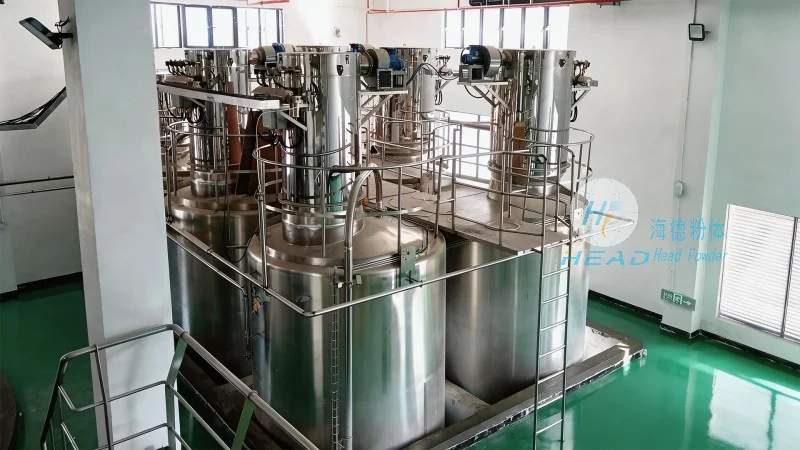
Positive pressure conveying, also known as pressure conveying, operates by forcing material through a closed system using a positive pressure source, typically a high-pressure blower or fan. The system creates an air stream that moves the material from the source to the destination. This method is often preferred for applications requiring high material flow rates and long-distance transportation. The equipment used in positive pressure systems includes a positive displacement blower, a material feeder, a conveying line, and a dust collector. The positive pressure system ensures that the material is continuously pushed through the pipeline, reducing the risk of blockages and ensuring consistent flow rates.
Key Features of Positive Pressure Conveying
Positive pressure conveying systems are known for their high efficiency and ability to handle large volumes of material. The use of a positive displacement blower provides a stable and consistent pressure, which helps maintain the flow rate even under varying load conditions. The closed system design minimizes dust emissions and protects the material from contamination. Additionally, positive pressure systems are suitable for conveying materials over long distances, often up to several hundred meters, without significant pressure loss. This makes them ideal for industrial plants with multiple processing units located at different locations.
What is Negative Pressure Conveying?
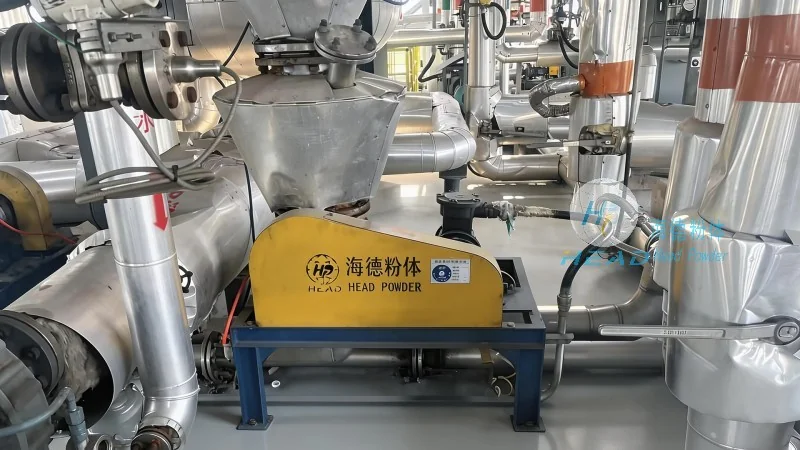
Negative pressure conveying, or vacuum conveying, operates by creating a vacuum in the conveying line, which draws the material from the source to the destination. The system uses a vacuum pump to create the negative pressure, and the material is carried by the air flow generated by the vacuum. This method is commonly used for shorter distances and lower material flow rates compared to positive pressure systems. The equipment in a negative pressure system includes a vacuum pump, a material hopper, a conveying line, and a filter. The vacuum system is generally more compact and requires less space compared to positive pressure systems.
Key Features of Negative Pressure Conveying
Negative pressure conveying systems are advantageous for applications where the material needs to be conveyed from a single source to a single destination, such as in small-scale production or laboratory settings. The vacuum pump provides a gentle and controlled suction, which is less likely to damage the material compared to the high-pressure forces in positive pressure systems. This makes negative pressure suitable for delicate or friable materials. However, negative pressure systems have limitations in terms of distance and flow rate. The vacuum pressure typically decreases with distance, which can affect the material flow rate over longer distances. Additionally, the system may require more frequent maintenance due to the higher wear on the vacuum pump components.
Distinguishing Between Positive and Negative Pressure Conveying
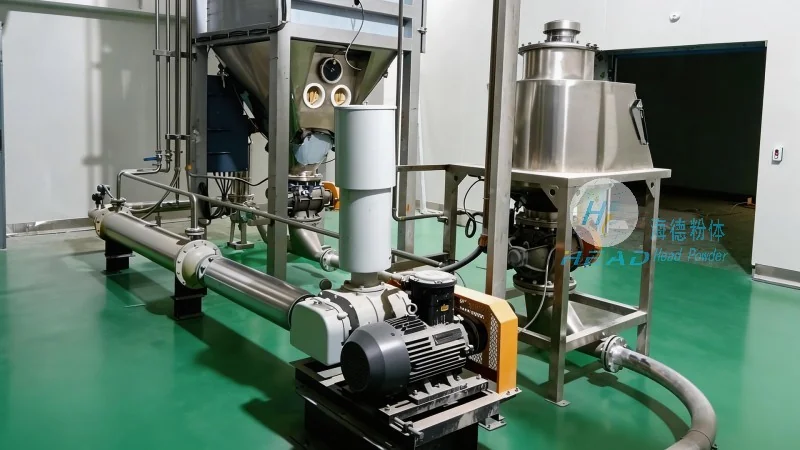
When deciding between positive and negative pressure conveying for heavy calcium, several factors should be considered. The first factor is the distance between the source and the destination. Positive pressure systems are more suitable for long-distance transportation, while negative pressure systems are better for short distances. The second factor is the material flow rate required. Positive pressure systems can handle higher flow rates, making them ideal for high-production environments. The third factor is the material characteristics. If the heavy calcium is delicate or prone to dust, negative pressure may be preferred to avoid damage. Conversely, if the material is coarse and requires high flow rates, positive pressure is more appropriate. The fourth factor is the available space and equipment. Positive pressure systems require more space for the blower and larger pipelines, while negative pressure systems are more compact. Finally, the cost of the system should be considered. Positive pressure systems may have higher initial costs due to the blower and larger components, but they offer lower operating costs for high-volume applications.
HeadPowder's Expertise in Heavy Calcium Conveying Solutions
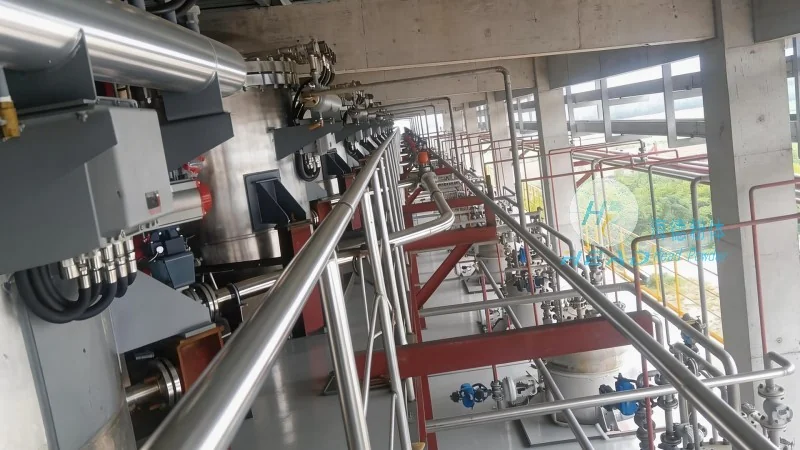
Shandong HeadPowder Engineering Co., Ltd., a leading provider of industrial conveying solutions, specializes in designing and manufacturing customized heavy calcium conveying systems. With years of experience in the industry, HeadPowder understands the unique challenges of heavy calcium transportation and offers tailored solutions to meet the specific needs of each client. The company's team of engineers and technicians work closely with clients to assess their requirements, including the distance, flow rate, and material characteristics, and recommend the most suitable conveying method. HeadPowder's positive pressure conveying systems are equipped with high-efficiency positive displacement blowers, ensuring reliable and consistent material flow. The company's negative pressure systems utilize advanced vacuum pumps, providing gentle and controlled suction for delicate materials. All systems are designed with dust collection and filtration systems to comply with environmental regulations and maintain a clean working environment. HeadPowder's commitment to quality and customer satisfaction has made it a trusted partner for many industrial companies in China and around the world.
Conclusion
Choosing between positive pressure and negative pressure for heavy calcium conveying depends on several factors, including distance, flow rate, material characteristics, and available space. Positive pressure conveying is ideal for long-distance, high-volume applications, while negative pressure conveying is better suited for short distances and delicate materials. By understanding the differences between these two methods and considering the specific requirements of the application, industrial facilities can select the most efficient and reliable conveying system. Shandong HeadPowder Engineering Co., Ltd. offers expert solutions for both positive and negative pressure heavy calcium conveying systems, ensuring that clients achieve optimal performance and product quality.




