For organizations seeking efficient and reliable methods to handle dry sludge, the design of a pneumatic conveying system is a critical consideration. A well-engineered system not only optimizes material transport but also ensures compliance with environmental and operational standards. This article outlines key design considerations for dry sludge pneumatic conveying systems, presented by Shandong HeadPowder Engineering Co., Ltd., a leading provider in the field.
Understanding the Core Principles of Dry Sludge Pneumatic Conveying
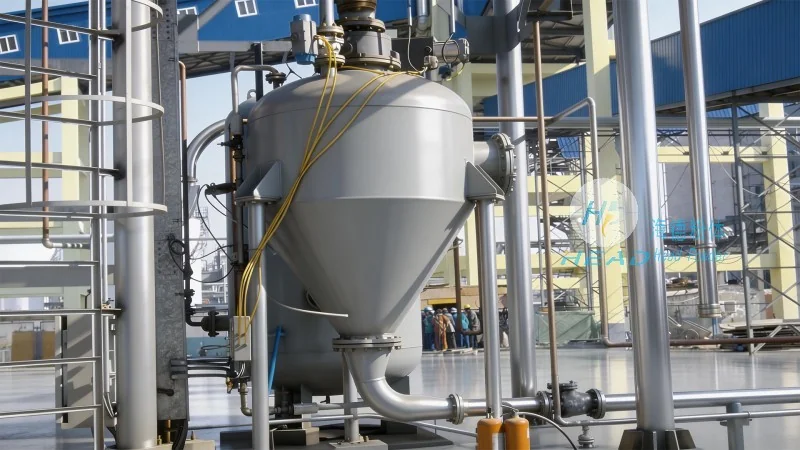
Dry sludge pneumatic conveying systems utilize air or gas as the medium to transport dry solid materials, such as dewatered sludge, over long distances without the need for mechanical components like belts or buckets. The primary goal is to achieve efficient, low-maintenance, and cost-effective material transfer. The design of these systems must account for several factors, including the physical properties of the sludge, the required transport distance, and the desired throughput.
Key Design Considerations for System Performance
Several critical design points are essential to ensure the optimal performance of a dry sludge pneumatic conveying system. First, the selection of the appropriate conveying air velocity is paramount. This velocity must be sufficient to overcome the frictional forces between the sludge particles and the pipeline walls while maintaining a stable flow. Engineers typically calculate the minimum air velocity based on the particle size distribution, density, and moisture content of the sludge. For dry sludge, higher air velocities may be required compared to wet sludge due to lower bulk density and increased particle cohesion.
Second, the pipeline configuration and diameter play a significant role in system efficiency. The pipeline must be sized to accommodate the expected flow rate while minimizing pressure drop. Sharp bends and fittings can cause pressure losses and particle separation, which may lead to system inefficiencies or blockages. Therefore, the design should incorporate gradual bends and appropriate fittings to maintain a smooth flow. Additionally, the material of the pipeline—often stainless steel or high-grade plastic—must be selected to resist corrosion and abrasion from the sludge particles.
System Components and Their Design Implications
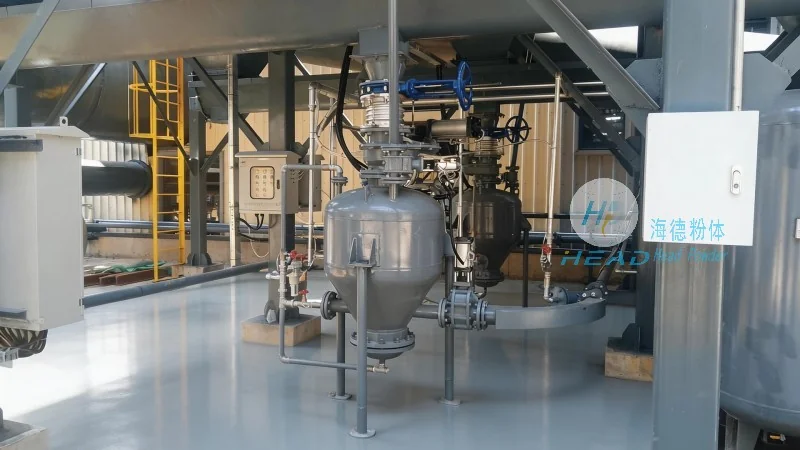
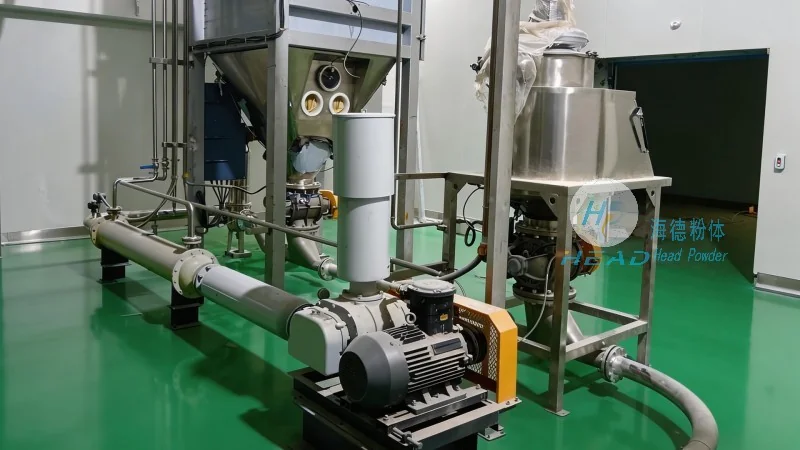
A dry sludge pneumatic conveying system consists of several key components, each with specific design considerations. The feed hopper is responsible for introducing the sludge into the system and ensuring a consistent flow. Its design must prevent clogging and allow for easy cleaning. The air compressor or blower provides the necessary pressure to move the sludge through the pipeline. The choice of compressor type—such as rotary lobe or centrifugal—depends on the system's pressure requirements and the nature of the sludge. The receiver or discharge hopper collects the conveyed sludge and may include features like vibration or air knives to prevent material buildup.
Integration of Control Systems for Optimal Operation
Modern dry sludge pneumatic conveying systems often incorporate advanced control systems to enhance operational efficiency and reliability. These systems may include pressure sensors, flow meters, and variable frequency drives (VFDs) to regulate air pressure and flow rates in real-time. The control system can monitor key parameters such as pressure drop, flow rate, and temperature, providing alerts or automatic adjustments to maintain optimal performance. This integration helps prevent system failures, reduces downtime, and ensures consistent sludge transport.
Environmental and Safety Considerations in Design
Designing a dry sludge pneumatic conveying system also requires attention to environmental and safety aspects. The system must be designed to minimize dust emissions and comply with local air quality regulations. This may involve incorporating dust collection systems or using sealed pipelines to contain particulate matter. Additionally, safety features such as pressure relief valves, emergency shut-off mechanisms, and proper ventilation are essential to protect personnel and equipment. The design must also consider the potential for explosion hazards, especially if the sludge contains combustible materials, and may include explosion-proof components.
Case Study: Successful Implementation by Shandong HeadPowder Engineering Co., Ltd.
Shandong HeadPowder Engineering Co., Ltd. has successfully implemented dry sludge pneumatic conveying systems for various clients, demonstrating the practical application of the design principles discussed above. For instance, a municipal wastewater treatment plant in Shandong Province required a system to transport dewatered sludge from the dewatering unit to the final disposal site. The company designed a system with a 200 mm diameter pipeline, a rotary lobe blower, and a control system that monitored pressure and flow. The system achieved a throughput of 10 tons per hour over a distance of 500 meters, with minimal pressure drop and low maintenance requirements. This case study highlights the effectiveness of proper design and engineering in achieving operational goals.
Conclusion and Future Trends
In conclusion, the design of a dry sludge pneumatic conveying system involves a comprehensive approach that considers material properties, system components, and operational requirements. By addressing key design points such as air velocity, pipeline configuration, and control systems, organizations can achieve efficient and reliable sludge transport. Shandong HeadPowder Engineering Co., Ltd. remains committed to providing tailored solutions that meet the specific needs of clients, ensuring sustainable and effective management of dry sludge. As technology advances, future trends may include the integration of smart sensors and artificial intelligence to further optimize system performance and reduce operational costs.




