HeadPowder, a leading manufacturer based in Shandong, China, specializes in advanced pneumatic conveying solutions. Our company, Shandong HeadPowder Engineering Co., Ltd., has been dedicated to developing efficient and reliable equipment for material handling in various industries. The suction-pressure mixed pneumatic conveying system is one of our core products, designed to meet the diverse needs of modern material transport.
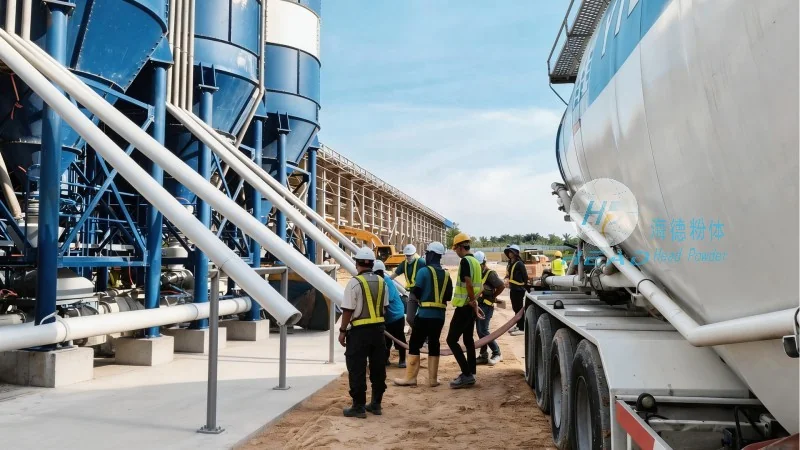
Overview of Suction-Pressure Mixed Pneumatic Conveying Equipment
The suction-pressure mixed pneumatic conveying equipment is a versatile system that combines the advantages of both suction and pressure conveying methods. This hybrid approach allows for flexible material transport over long distances and varying layouts, making it suitable for a wide range of applications. The system is engineered to handle different types of bulk materials, including powders, granules, and fine particles, with high efficiency and minimal product degradation.
Key Components and Structure of the Equipment
The structure of the suction-pressure mixed pneumatic conveying system consists of several critical components that work in tandem to ensure smooth operation. The main parts include the suction unit, pressure unit, conveying pipeline, material hopper, and control system. The suction unit is responsible for drawing material from the source, while the pressure unit provides the necessary air pressure to push the material through the pipeline. The conveying pipeline is typically made of stainless steel or other corrosion-resistant materials to ensure durability and hygiene, especially for food-grade applications. The material hopper is designed to store the bulk material and feed it into the system at a controlled rate. The control system manages the operation of the suction and pressure units, ensuring optimal air flow and material transport.
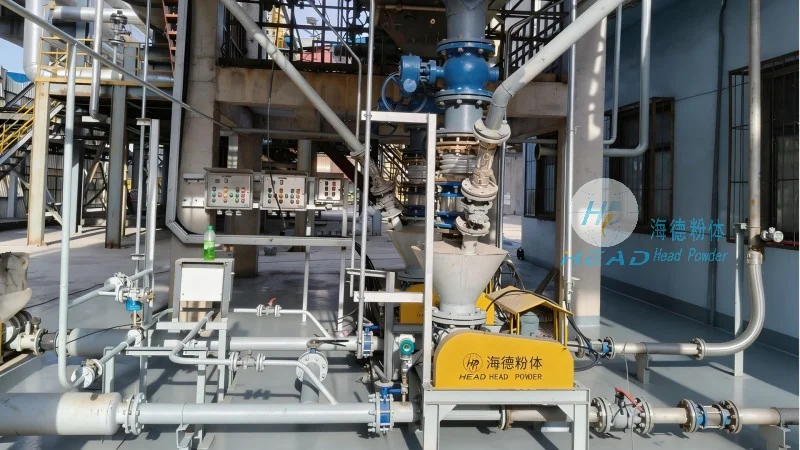
Working Principle of the Suction-Pressure Mixed Conveying System
The working principle of the suction-pressure mixed pneumatic conveying equipment involves the simultaneous use of suction and pressure to move material through the pipeline. Initially, the suction unit creates a negative pressure in the pipeline, drawing material from the hopper and the source. As the material is drawn into the pipeline, the pressure unit then increases the air pressure, pushing the material forward. The combination of suction and pressure allows for a more stable and efficient conveying process, as it can handle both short and long distances, as well as varying material characteristics. The system can operate in both continuous and intermittent modes, depending on the application requirements. The air flow is carefully controlled to maintain the material in a suspended state, preventing blockages and ensuring consistent transport.
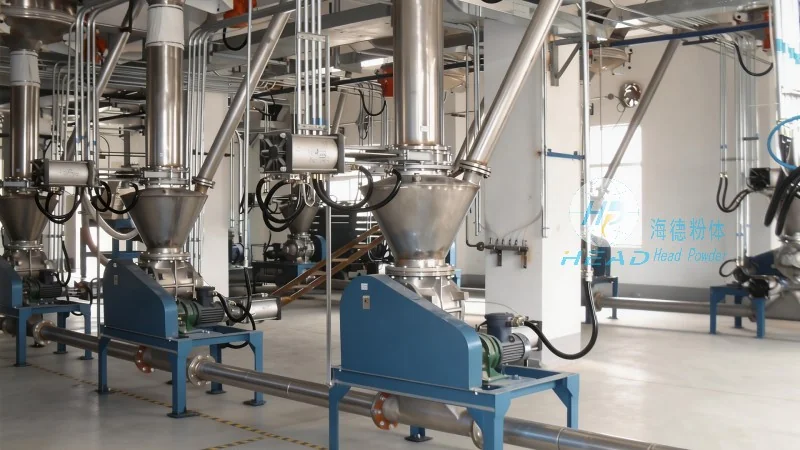
Advantages and Applications of the Suction-Pressure Mixed Pneumatic Conveying System
The suction-pressure mixed pneumatic conveying system offers several advantages over traditional conveying methods. It provides high flexibility in material transport, allowing for changes in layout and distance without significant modifications. The system is also capable of handling a wide range of materials, from fine powders to larger granules, with minimal product degradation. Another key advantage is its ability to operate in both suction and pressure modes, making it suitable for complex material handling scenarios. The system is widely used in industries such as food processing, pharmaceuticals, chemicals, and mining. In food processing, it is used to transport ingredients like flour, sugar, and spices, ensuring hygiene and efficiency. In pharmaceuticals, it is used to handle active pharmaceutical ingredients (APIs) and other sensitive materials, maintaining product quality and safety. In the chemical industry, it is used to transport powders and granules, reducing dust and improving safety. In mining, it is used to transport ore and other bulk materials, improving operational efficiency and reducing labor costs.
Technical Specifications and Performance Characteristics
The suction-pressure mixed pneumatic conveying equipment from HeadPowder is designed with high performance and reliability in mind. The system can handle material flow rates ranging from a few kilograms per hour to several tons per hour, depending on the specific application. The conveying distance can range from a few meters to several hundred meters, making it suitable for both small and large-scale operations. The system operates at air pressures typically between 0.5 to 1.5 bar, with adjustable settings to accommodate different material characteristics. The material transport velocity is controlled to ensure efficient conveying without excessive energy consumption. The system is also equipped with safety features, such as pressure relief valves and overcurrent protection, to prevent accidents and ensure safe operation. The equipment is easy to install and maintain, with modular components that can be replaced or upgraded as needed. The control system is user-friendly, with intuitive interfaces that allow operators to monitor and adjust the system parameters in real-time.




