Wool pneumatic conveying systems are specialized industrial equipment designed to transport wool and other fibrous materials efficiently and safely. These systems are widely used in the textile and processing industries, offering a reliable solution for handling wool from collection to processing stages. The technology behind these systems leverages compressed air to move materials through a network of pipes, ensuring minimal damage to the wool fibers and maintaining product quality throughout the process.
Key Components of Wool Pneumatic Conveying Systems
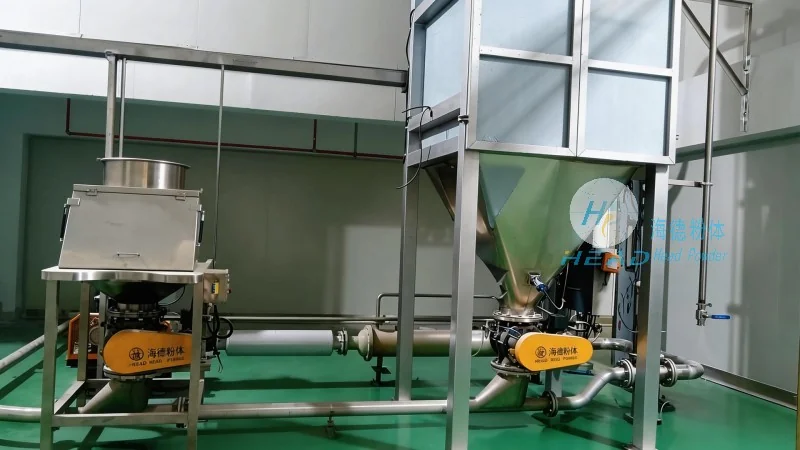
The core components of a wool pneumatic conveying system include the hopper, feed mechanism, air compressor, conveying pipes, and collection hopper. The hopper serves as the storage container for raw wool, while the feed mechanism (such as a rotary valve or screw feeder) controls the flow of wool into the system. The air compressor generates the necessary pressure to move the material through the pipes, and the conveying pipes are typically made of stainless steel or other corrosion-resistant materials to withstand the abrasive nature of wool fibers. The collection hopper receives the wool at the end of the conveying line, ready for further processing.
Working Principle of Wool Pneumatic Conveying Systems
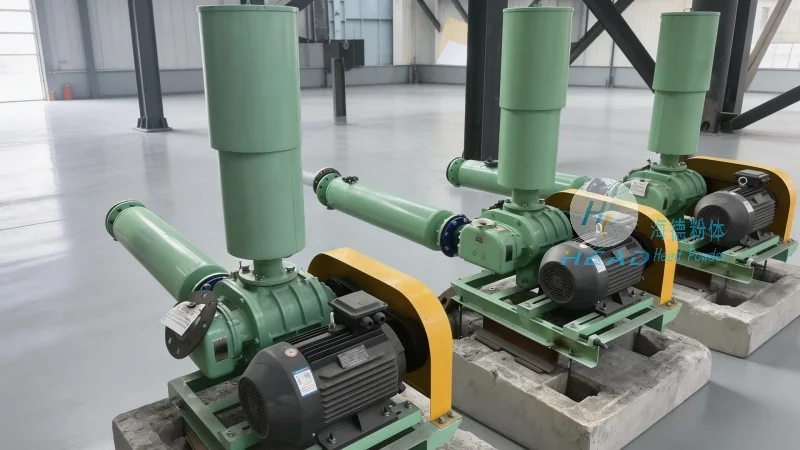
The operation of a wool pneumatic conveying system is based on the principle of air flow and pressure differentials. When the air compressor is activated, it forces compressed air into the conveying pipes. The feed mechanism introduces wool into the system, and the air flow carries the wool particles along the pipes. The system uses a combination of positive and negative pressure to ensure smooth and consistent material transport. Positive pressure is used to push the wool from the hopper to the collection point, while negative pressure may be employed in certain sections to prevent backflow or to maintain consistent flow rates. This method allows for a continuous and automated process, reducing manual handling and improving operational efficiency.
Advantages of Using Wool Pneumatic Conveying Systems
Wool pneumatic conveying systems offer several advantages over traditional mechanical conveyors. Firstly, they minimize damage to wool fibers, which is crucial for maintaining the quality of the final textile products. The gentle handling reduces fiber breakage and contamination, leading to higher-quality yarn and fabric. Secondly, these systems are highly efficient in terms of space utilization, as they can be installed in compact areas with flexible pipe layouts. This makes them suitable for both new installations and retrofitting in existing facilities. Additionally, the automated operation reduces labor costs and improves safety by minimizing human exposure to dust and fibers. The systems also provide better control over material flow, allowing for precise dosing and consistent processing.
Applications and Industries
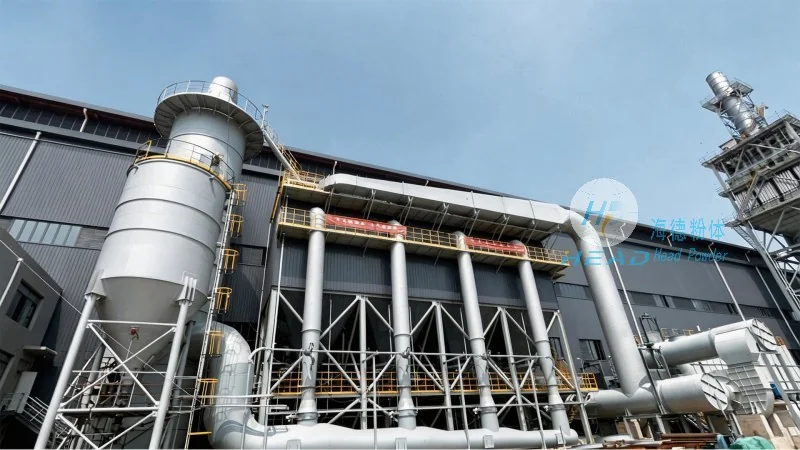
Wool pneumatic conveying systems are primarily used in the textile industry, particularly in wool processing plants. They are employed in stages such as raw wool reception, cleaning, carding, and spinning. The systems are also suitable for other fibrous materials, including synthetic fibers and blends, making them versatile for various industrial applications. The technology is particularly beneficial in environments where dust control and hygiene are critical, as the enclosed system prevents dust from spreading and maintains a clean working environment.
Maintenance and Operational Considerations
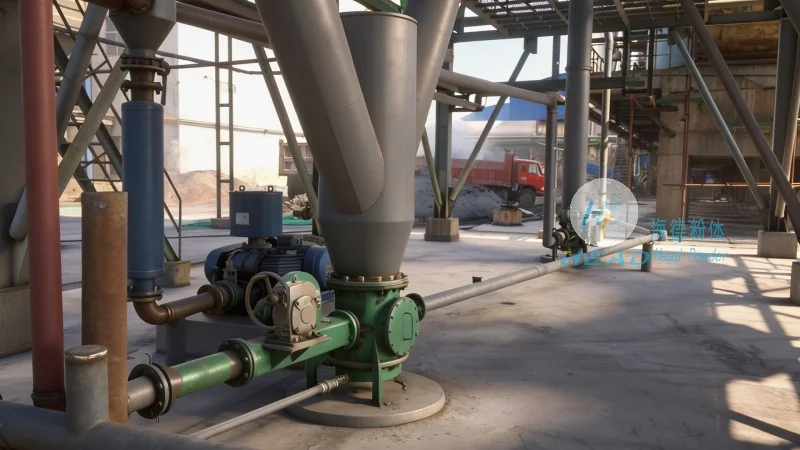
Proper maintenance is essential to ensure the longevity and efficiency of wool pneumatic conveying systems. Regular cleaning of the hopper, pipes, and collection hopper is necessary to prevent clogging and maintain optimal performance. The air compressor and associated components should be inspected regularly for wear and tear, and filters should be replaced as needed to maintain air quality. Additionally, monitoring the pressure and flow rates during operation helps identify any issues early, preventing system downtime. Proper training of operators on the system's operation and maintenance procedures is also crucial for safe and efficient use.
About Shandong HeadPowder Engineering Co., Ltd.
Shandong HeadPowder Engineering Co., Ltd., operating under the brand name headpowder, is a leading manufacturer of industrial conveying systems. With a focus on innovation and quality, the company specializes in designing and manufacturing wool pneumatic conveying systems tailored to the specific needs of textile and processing industries. HeadPowder's products are known for their durability, efficiency, and reliability, helping businesses improve their operational performance and product quality. The company's headquarters is located in Shandong, China, where it leverages advanced technology and expertise to deliver high-quality solutions to clients worldwide.




