Operation Process and Working Principle of Automatic Quantitative Material Pneumatic Conveyor
Release time:2026-09-21 15:01:45
name of the company:Shandong Headpowder Engineering Co., Ltd.
telephone:156-6277-7102
contacts:Zhang manager
Automatic quantitative material pneumatic conveying equipment is a specialized industrial device engineered for the efficient and precise transport of bulk materials. This equipment is widely utilized across various sectors, including food processing, pharmaceuticals, and chemical manufacturing, where maintaining product quality and operational efficiency is paramount. The system integrates pneumatic technology with automated control mechanisms to ensure consistent and reliable material handling, making it an indispensable asset for modern production lines.
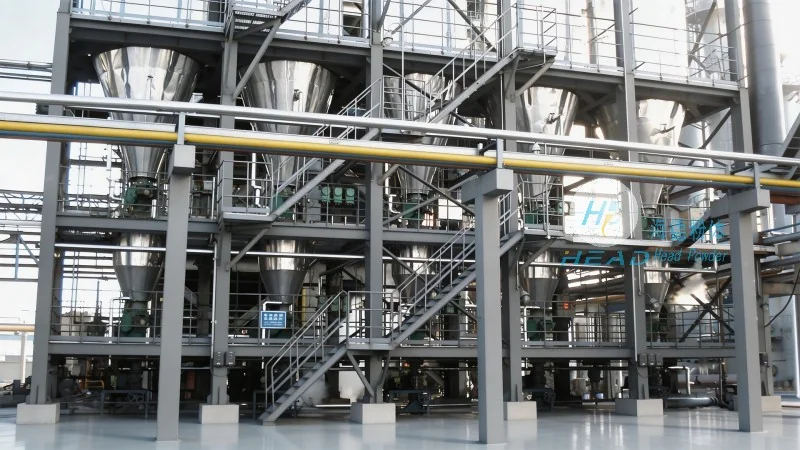
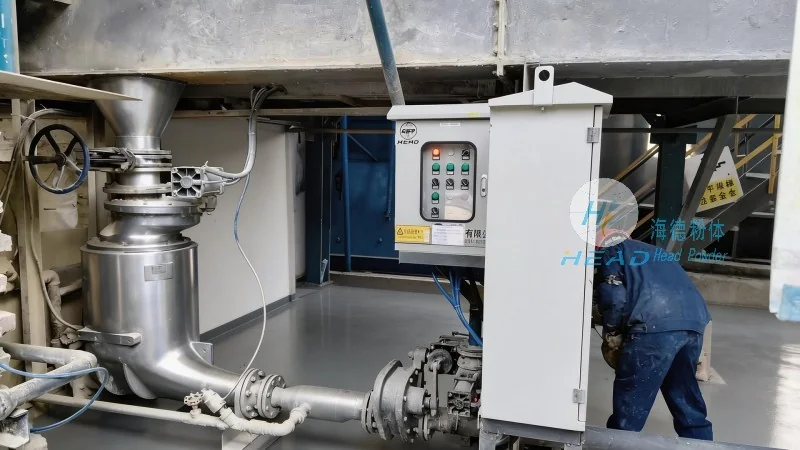
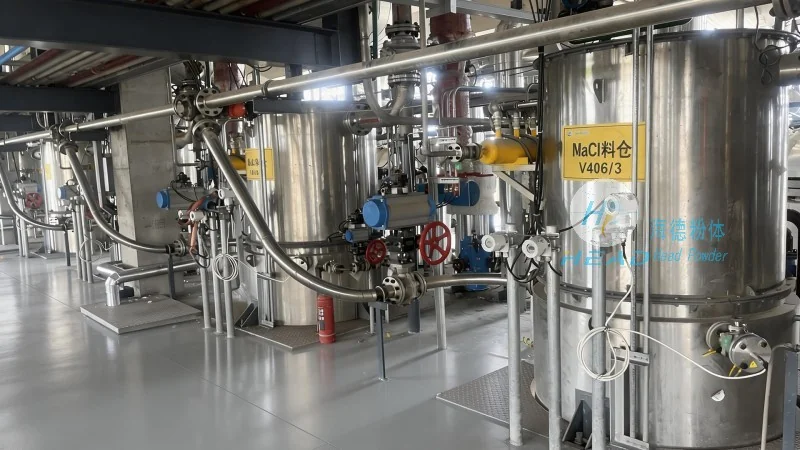
Working Principle of the Pneumatic Conveyor System
The fundamental operation of the automatic quantitative material pneumatic conveyor is based on a pneumatic conveying mechanism that utilizes compressed air to create a pressure differential for material transport. The process commences with bulk material being fed into a hopper or feeder, where it is then pneumatically conveyed through a network of pipes. Key components of the system include the air compressor, material feeder, conveying pipes, and control valves. The automated quantitative feature, typically controlled by a digital sensor or timer, regulates the material flow rate to deliver precise, pre-set quantities. This is crucial for applications requiring exact dosing, such as in packaging or blending operations, ensuring that each batch meets strict quality standards.
Operation Process of the Equipment
The operation of the automatic quantitative material pneumatic conveyor follows a systematic sequence to guarantee smooth and efficient material transport. The process begins with activation of the control panel, which initiates the air compressor to generate the necessary pressure. Simultaneously, the material feeder is activated to release the bulk material into the conveying system. As compressed air flows through the pipes, it creates a suction effect that draws the material along the pipeline. The quantitative mechanism continuously monitors and adjusts the flow rate, ensuring the desired amount is delivered to the discharge point. The system also incorporates pressure and flow rate sensors to maintain optimal performance, minimizing human intervention and reducing operational errors. This automated approach enhances overall productivity and reliability.




