This article provides an overview of the operation process and working principle of the automatic quantitative material feeding pneumatic conveying line, a key equipment used in industrial material handling. The system is designed to efficiently transport bulk materials with precise measurement and control, ensuring consistent quality and productivity in various production processes. The following sections will detail the operational workflow and the underlying principles that enable the system to function effectively.
Company Overview: Shandong HeadPowder Engineering Co., Ltd.
As a leading manufacturer in the field of material handling equipment, Shandong HeadPowder Engineering Co., Ltd. specializes in developing and supplying advanced pneumatic conveying solutions. With a strong commitment to innovation and quality, the company has established itself as a trusted partner for industries requiring reliable and efficient material transport systems. HeadPowder's expertise lies in customizing solutions to meet specific customer needs, ensuring optimal performance and durability for long-term use. The company is headquartered in Shandong, China, where it operates from its state-of-the-art facility, dedicated to research, development, and production of high-performance conveying equipment.
Basic Components and Structure of the Pneumatic Conveying Line
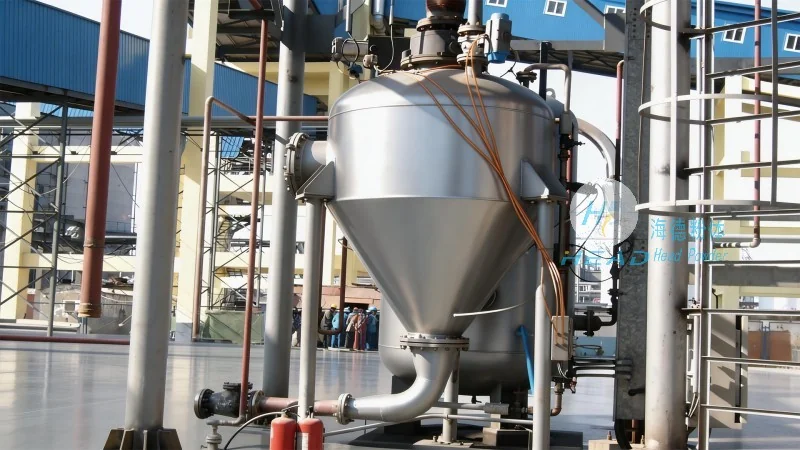
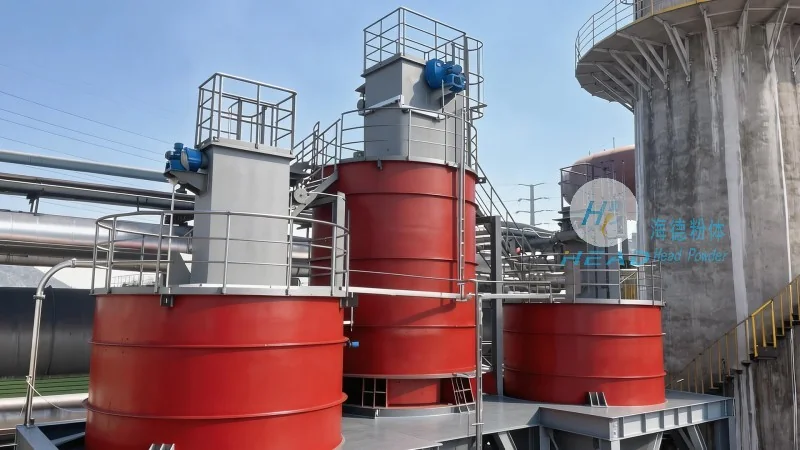
The automatic quantitative material feeding pneumatic conveying line typically consists of several key components that work in tandem to achieve precise material transport. These components include a material hopper for storage, a feeding mechanism for controlled discharge, a pneumatic conveying system with a blower or compressor to generate air flow, a pipeline network for material transport, and a receiving hopper or discharge unit. Each component is carefully designed to ensure seamless integration and efficient operation. The material hopper is equipped with a level indicator and a discharge valve that can be controlled automatically or manually, allowing for precise control over the material feed rate. The feeding mechanism, often a rotary valve or a screw feeder, ensures that material is discharged at a consistent rate, preventing overloading or underfeeding. The pneumatic conveying system uses compressed air to create a positive pressure or negative pressure environment, depending on the application, to move the material through the pipeline. The pipeline network is made of durable materials such as stainless steel or plastic, chosen based on the material being conveyed and the operating conditions. The receiving hopper collects the material at the end of the conveying line, with a discharge valve or outlet for further processing.
Operation Process: Step-by-Step Workflow
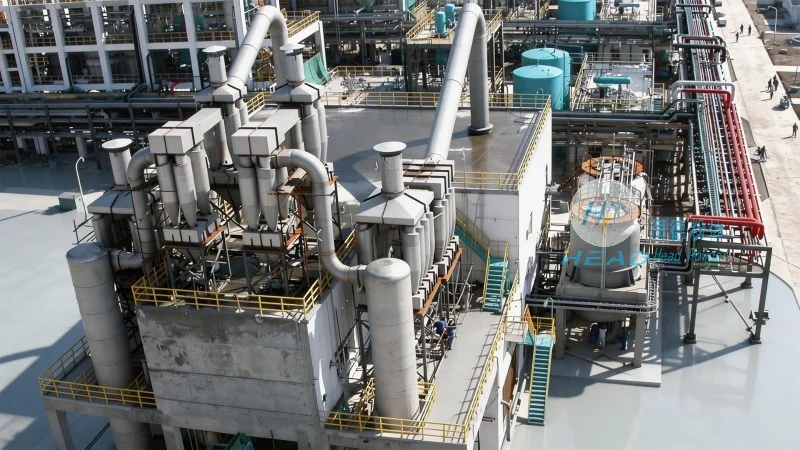
The operation of the automatic quantitative material feeding pneumatic conveying line follows a systematic workflow that ensures accurate and continuous material transport. The process begins with the loading of bulk material into the material hopper. The hopper is equipped with a level sensor that monitors the material level and triggers the feeding mechanism when the level reaches a predetermined threshold. The feeding mechanism then starts to discharge the material at a controlled rate, which is adjusted based on the required flow rate and the material characteristics. The discharged material is then introduced into the pneumatic conveying system, where it is mixed with the air flow generated by the blower or compressor. The air-material mixture travels through the pipeline network, with the air pressure maintaining the material in suspension and transporting it to the receiving hopper. At the receiving end, the material is deposited into the receiving hopper, and the air flow is separated from the material, typically through a cyclone separator or a filter, before being discharged or recirculated. The entire process is automated, with sensors and control systems monitoring key parameters such as material level, air pressure, and flow rate, ensuring that the system operates within optimal conditions. The control system can adjust the feeding rate, air pressure, and other parameters in real-time to maintain consistent material delivery and prevent system overload or blockages.
Working Principle: How the System Ensures Precision and Efficiency
The working principle of the automatic quantitative material feeding pneumatic conveying line is based on the principles of fluid dynamics and material handling. The system operates by creating a flow of air through the pipeline, which is used to transport the bulk material in a suspended state. The key to the system's efficiency lies in the precise control of the air flow and the material feed rate. The blower or compressor provides the necessary air pressure and volume to move the material through the pipeline. The feeding mechanism, such as a rotary valve or screw feeder, ensures that the material is discharged at a consistent rate, preventing variations in the material flow. The pipeline network is designed to minimize pressure losses and ensure smooth material transport. The receiving hopper collects the material, and the air flow is separated from the material, typically using a cyclone separator or a filter. The separated air can be recirculated back to the blower to improve energy efficiency. The control system monitors and adjusts the key parameters, such as material level, air pressure, and flow rate, to maintain the system's performance. The system's ability to handle various types of bulk materials, including powders, granules, and fine particles, makes it versatile and suitable for a wide range of industrial applications. The precision in material measurement and control is achieved through the integration of sensors and automated control systems, ensuring that the material is delivered in the exact quantity required for the production process.
Key Advantages and Applications
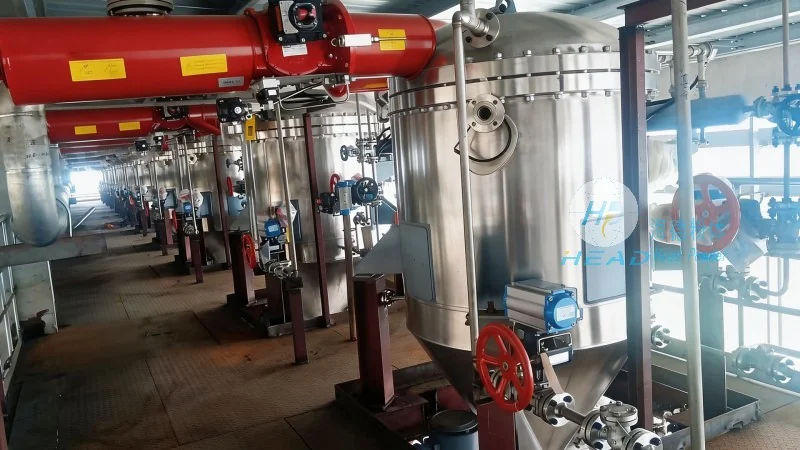
The automatic quantitative material feeding pneumatic conveying line offers several advantages that make it an ideal choice for industrial material handling. One of the primary advantages is the ability to transport materials over long distances with minimal loss and contamination. The system is also highly efficient in terms of energy consumption, as the air flow can be optimized to minimize energy usage while maintaining the required material transport rate. The automated control system ensures consistent and reliable material delivery, reducing the risk of human error and improving overall productivity. The system is also flexible and can be customized to meet specific customer requirements, including different material types, flow rates, and pipeline configurations. The applications of this system are widespread, including in the chemical, food, pharmaceutical, and mining industries. In the chemical industry, it is used to transport raw materials and intermediates, ensuring precise dosing and mixing. In the food industry, it is used to handle food-grade powders and granules, maintaining hygiene and quality standards. In the pharmaceutical industry, it is used to transport active ingredients and other materials with high precision, ensuring compliance with regulatory requirements. In the mining industry, it is used to transport ore and other bulk materials from storage to processing units, improving operational efficiency.




