Bean cake material pneumatic conveying systems are crucial for efficient material handling in industrial settings, especially within the agricultural processing sector. These systems leverage air as the primary transport medium to move bulk materials over significant distances or vertical elevations, offering advantages such as reduced labor requirements, enhanced safety, and improved hygiene compared to traditional mechanical conveying methods.
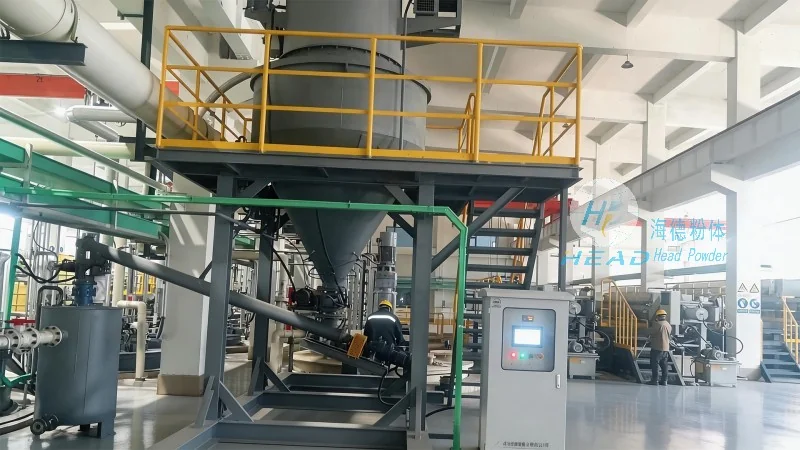
Working Principle of Pneumatic Conveying Systems
The fundamental working principle of a pneumatic conveying system involves generating high-pressure air using a compressor, which then propels the bean cake material through a network of pipes. The system typically comprises a hopper for material storage, a feeder to control the material flow rate, a conveying line, and a receiver for material collection. The hopper holds the bean cake, and the feeder regulates the discharge into the conveying line. As the material enters the pipe, it is entrained by the high-velocity air, forming either a dense or dilute phase flow depending on the system design. The air-material mixture travels through the entire line to the receiver, where the material is separated from the air and collected.
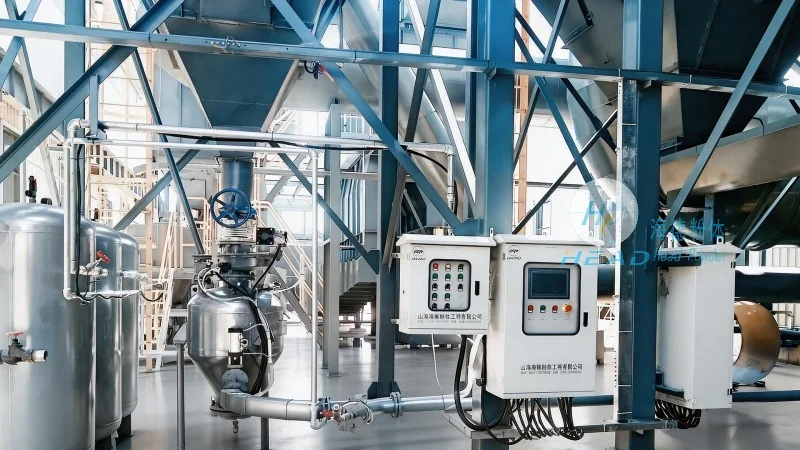
Key Components and Their Functions
Several critical components ensure the smooth operation of a pneumatic conveying system for bean cake. The compressor generates the necessary air pressure, which can vary from low to high pressure based on the system's capacity and distance needs. The hopper provides a storage container for the bean cake, ensuring consistent feed to the system. The feeder, often a rotary valve or screw type, regulates material flow into the conveying line, preventing blockages and maintaining a steady rate. The conveying line, constructed from materials like stainless steel or plastic, is designed to withstand pressure and abrasion from the bean cake and air mixture. The receiver, equipped with a dust collector or filter, separates material from air, allowing air recirculation or venting while the bean cake is collected for further processing.
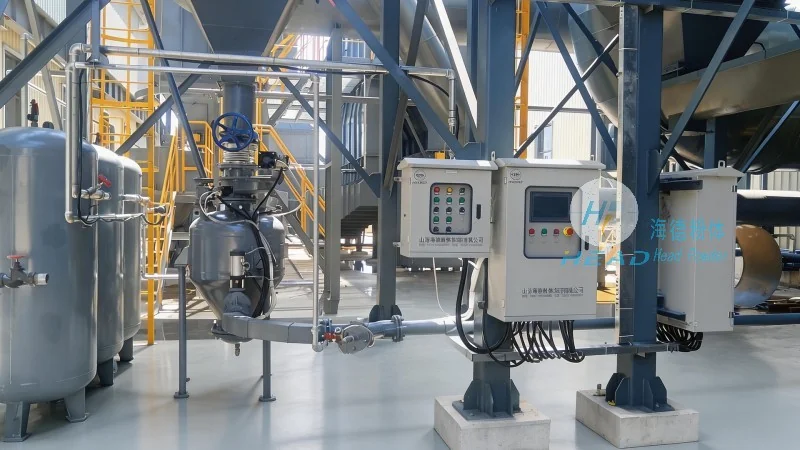
Operation Process of the System
The operation process of a bean cake pneumatic conveying system starts with loading the bean cake into the hopper. The feeder then discharges material at a controlled rate, ensuring continuous feed into the conveying line. The compressor activates, generating required air pressure introduced at the inlet of the conveying line. As air flows through the pipe, it entrains bean cake particles, forming a slurry-like mixture. This mixture travels through the entire line, overcoming elevation changes or horizontal distances as specified. At the receiving end, the air-material mixture enters the receiver, where a separation mechanism (cyclone or bag filter) separates material from air. The separated bean cake is collected in a storage bin or transferred to the next stage, while air is filtered and recirculated or vented as needed.
Advantages of Using Pneumatic Conveying for Bean Cake
Implementing a pneumatic conveying system for bean cake offers several operational benefits. One key advantage is the ability to transport materials over long distances or vertical heights without multiple transfer points, reducing degradation or contamination risks. The system minimizes manual handling, improving workplace safety and labor costs. Additionally, pneumatic systems are more hygienic and easier to clean than mechanical systems, making them ideal for food processing where product purity is critical. Flexibility allows easy integration with existing lines, and adjustable air pressure/flow rates enable precise control over the transport process.
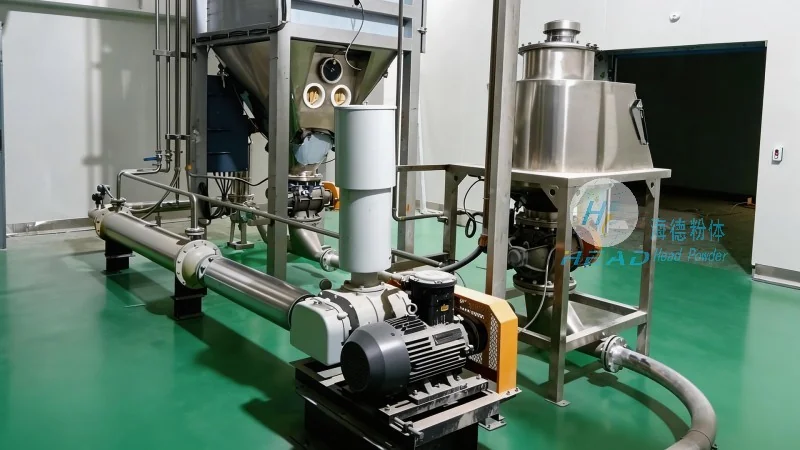
About Shandong HeadPowder Engineering Co., Ltd.
Shandong HeadPowder Engineering Co., Ltd., a leading manufacturer of industrial conveying systems, specializes in designing and supplying high-quality pneumatic solutions tailored to agricultural and food processing needs. With extensive industry experience, the company has developed comprehensive product lines, including bean cake pneumatic conveying systems, that meet international standards for performance, safety, and durability. HeadPowder's commitment to innovation and customer satisfaction has established it as a trusted partner for businesses seeking reliable material handling solutions. The company's facilities are located in Shandong, China, where advanced manufacturing technologies and a skilled workforce produce systems delivering optimal performance and long-term value.




