Understanding the operation process and working principle of pneumatic conveying for concrete materials is crucial for optimizing material handling in construction and industrial applications. This technology offers a reliable and efficient method for transporting bulk concrete materials over short to medium distances, enhancing productivity and reducing operational costs.
Company Overview
HeadPowder, a leading provider in the field, specializes in engineering solutions for material handling systems. With a strong presence in Shandong, China, the company has established itself as a trusted partner for businesses seeking advanced pneumatic conveying solutions. The company's expertise lies in designing and manufacturing systems tailored to the unique requirements of concrete material transport, ensuring durability, efficiency, and compliance with industry standards.
Working Principle of Pneumatic Conveying
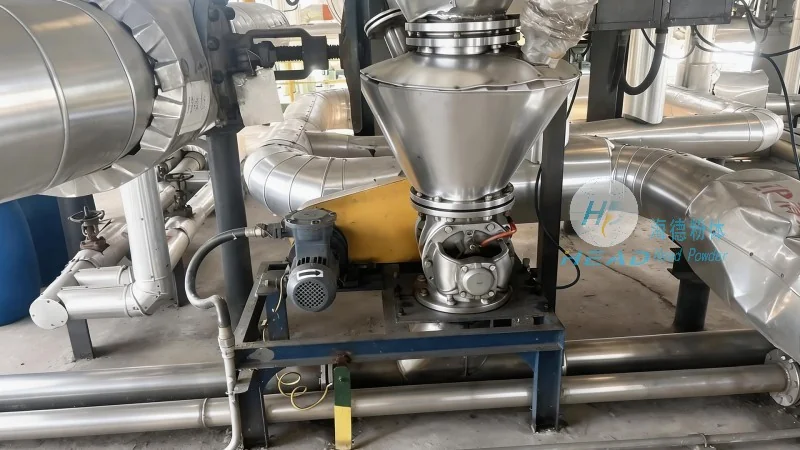
The core of pneumatic conveying for concrete materials involves the use of air to transport bulk materials through a pipeline system. The process typically operates under pressure, utilizing either positive or negative pressure systems. In a positive pressure system, air is blown into the pipeline, pushing the material forward. Conversely, negative pressure systems create a vacuum that draws the material into the pipeline. The choice between these systems depends on factors such as material properties, distance, and system layout. The system includes key components like a hopper for material storage, a conveyor line, and a control unit that regulates air flow and pressure to maintain optimal conveying conditions.
Operation Process of Concrete Material Pneumatic Conveying
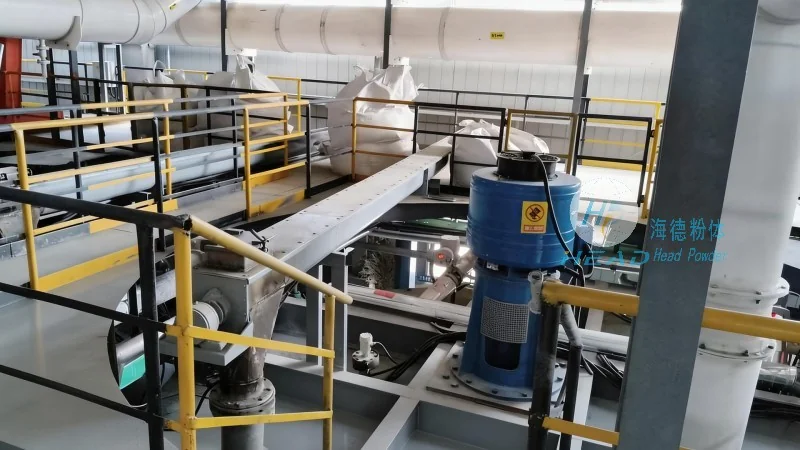
The operation process begins with the loading of concrete materials into the hopper. The material is then fed into the conveying line under controlled conditions. Air is introduced into the system, creating a flow that propels the material through the pipeline. The speed and pressure of the air are carefully managed to prevent material degradation and ensure smooth transport. At the receiving end, the material is discharged into a storage or processing unit. The entire process is monitored by the control unit, which adjusts parameters in real-time to maintain efficiency and prevent system failures. This automated approach minimizes human intervention, enhancing safety and consistency in material handling.
Key Components and Their Functions
Several critical components contribute to the effective operation of a pneumatic conveying system for concrete materials. The hopper serves as the initial storage point, ensuring a steady supply of material. The conveyor line, often made of durable materials like stainless steel or specialized polymers, withstands the abrasive nature of concrete. The air compressor or vacuum pump generates the necessary pressure or vacuum to move the material. The control unit, equipped with sensors and feedback mechanisms, regulates the system's performance. Additionally, filters and cyclones are used to separate air from the material at the receiving end, preventing dust and ensuring clean operation. Each component plays a vital role in maintaining the system's efficiency and longevity.
Advantages of Pneumatic Conveying for Concrete Materials
Implementing pneumatic conveying for concrete materials offers numerous advantages over traditional methods. It eliminates the need for mechanical components like belts or buckets, reducing maintenance and wear. The system is highly flexible, allowing for changes in material flow direction and distance. It also minimizes material degradation, preserving the quality of concrete. Furthermore, pneumatic conveying systems are compact and can be integrated into existing facilities, making them a cost-effective solution. The technology also enhances safety by reducing manual handling of heavy materials and minimizing dust exposure.
Applications and Industries
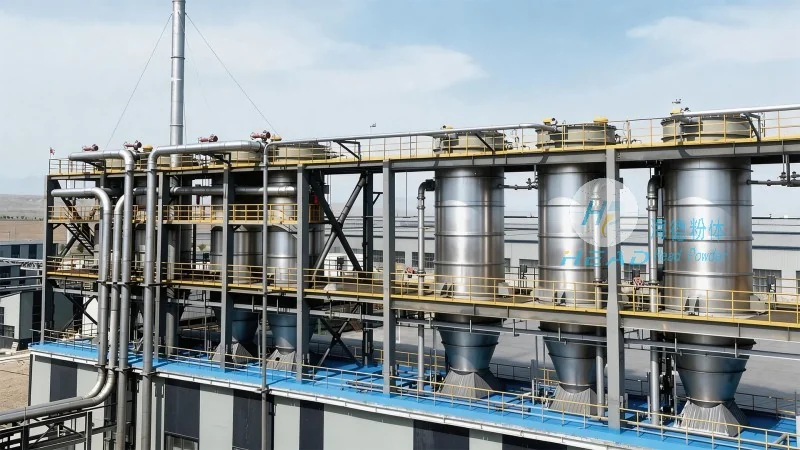
Pneumatic conveying systems for concrete materials are widely used in various industries. In construction, they are employed for transporting concrete from batching plants to job sites, ensuring timely delivery and reducing labor costs. In industrial settings, they are used in concrete mixing and processing facilities to move raw materials and finished products. The technology is also applicable in precast concrete manufacturing, where it facilitates the transport of aggregates and cement. The versatility of pneumatic conveying makes it suitable for a range of applications, from small-scale projects to large industrial operations.
Maintenance and Operational Considerations
Proper maintenance is essential to ensure the longevity and efficiency of pneumatic conveying systems. Regular inspection of components such as the hopper, conveyor line, and air compressor is necessary to identify and address potential issues. Cleaning the system, especially the filters and cyclones, prevents clogging and maintains optimal performance. Monitoring air pressure and flow rates helps detect anomalies early, preventing system failures. Training operators on proper system operation and maintenance procedures is also crucial. By adhering to these practices, businesses can maximize the lifespan of their equipment and minimize downtime, ensuring consistent and reliable material handling.




